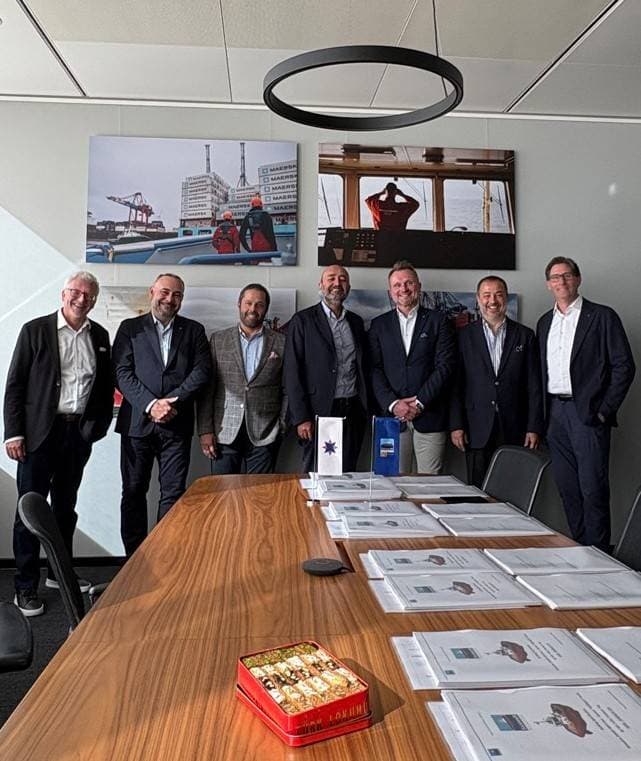
UNCTAD has introduced a new training program specifically designed for port professionals, aiming to equip them with practical solutions for developing cleaner and more efficient port operations. This initiative comes as ports face increasing pressure to adapt to the ongoing energy transition within the maritime sector. The transition is being driven by the imperative for cleaner shipping practices, the adoption of new types of fuels, and a rapidly evolving regulatory landscape.
This training is particularly relevant given that the maritime sector contributes approximately 2% of global energy consumption. As the industry moves towards decarbonization, ports are critical nodes for facilitating this shift, requiring significant operational and infrastructural adjustments. The program will likely cover topics such as shore power implementation, alternative bunkering solutions, emissions reduction strategies, and compliance with upcoming environmental regulations.
For freight forwarders and operations managers, this development signals a continued push towards more sustainable supply chains. Ports that successfully implement these energy transition strategies may offer more environmentally friendly options for cargo handling, potentially impacting carrier choices and routing decisions based on sustainability metrics. It also suggests that future port operations could involve new types of infrastructure and procedures related to alternative fuels, which forwarders will need to understand to ensure smooth cargo flows. The training could also lead to more standardized green practices across ports, simplifying compliance for shippers and carriers.
While the source does not specify what's next, it implies an ongoing commitment from UNCTAD to support ports in their journey towards decarbonization and operational efficiency. Continued training and knowledge sharing will be crucial as the maritime industry progresses through its energy transition.