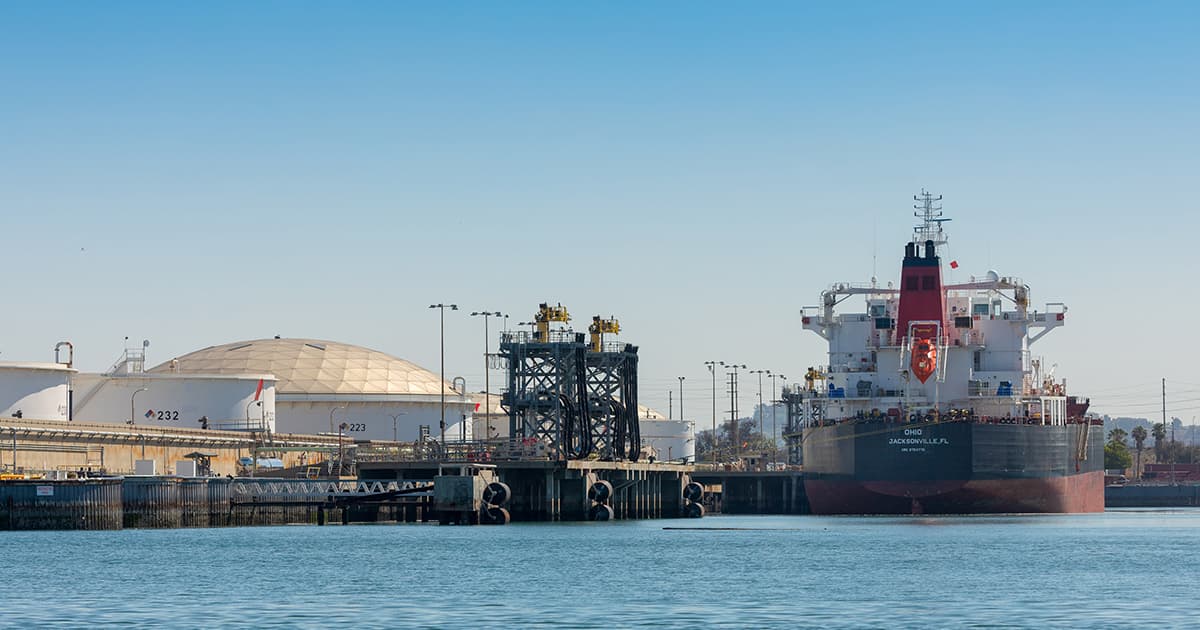
The global shipping industry is experiencing a notable increase in vessels operating under false flags and fraudulent registries. This trend has evolved from a minor compliance concern into a systemic risk, enabling ships to circumvent international regulations and sanctions. Many tankers, in particular, are now claiming registration with dubious entities rather than recognized flag states, allowing them to continue international trade without legitimate nationality.
For freight forwarders and supply chain managers, this development presents considerable challenges. Vessels operating under such conditions may be involved in illicit activities, including sanctions evasion, which can expose forwarders to significant legal, financial, and reputational risks. It becomes crucial for logistics professionals to conduct enhanced due diligence on the vessels and carriers they utilize, verifying the legitimacy of their registration and operational compliance. The proliferation of these practices can also lead to increased scrutiny and potential delays at ports, as authorities attempt to identify and interdict non-compliant vessels. This situation underscores the need for robust vetting processes to ensure supply chain integrity and avoid unintended involvement in illegal trade.