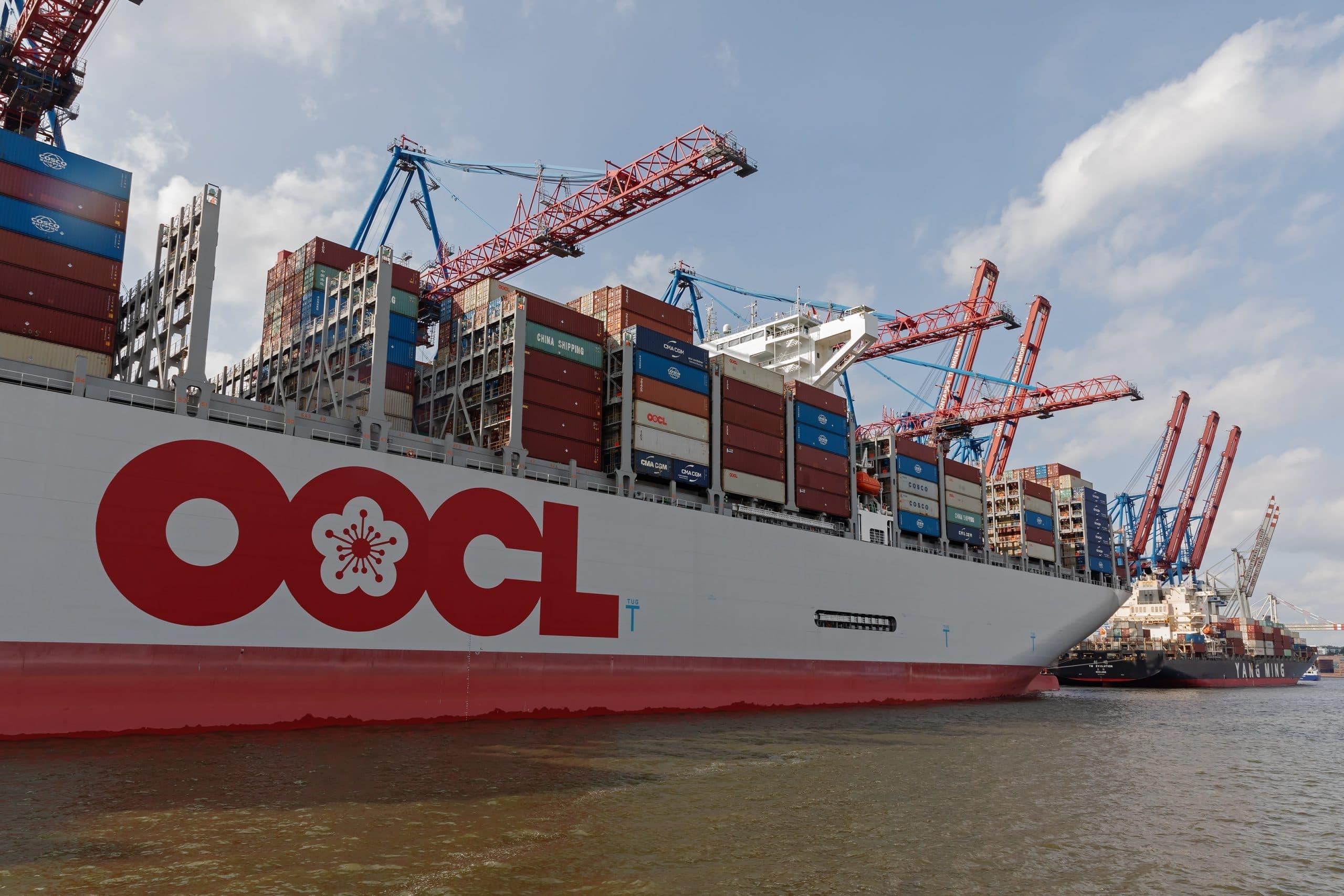
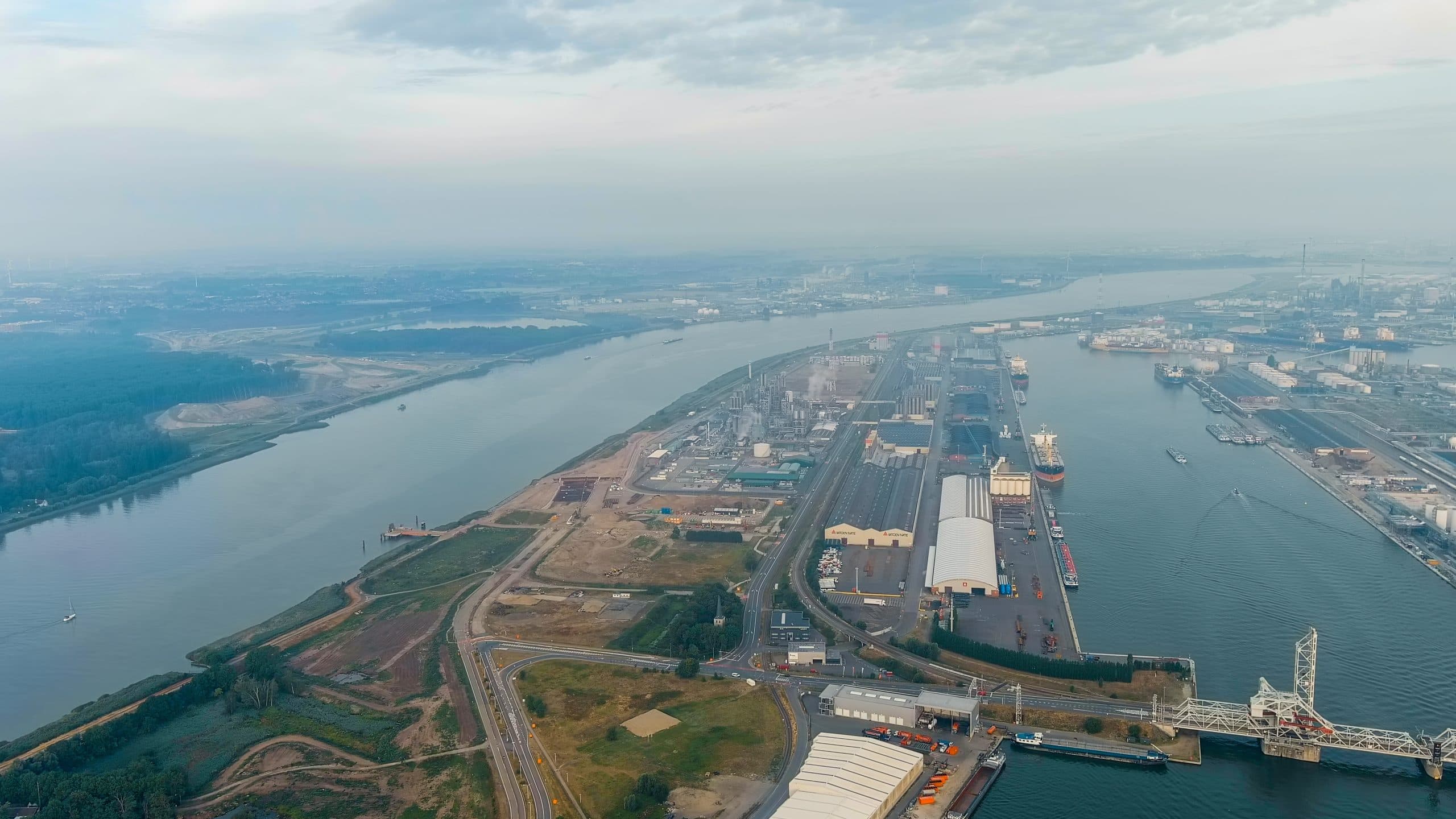
Ningbo-Zhoushan port has officially surpassed Singapore to become the world's second-largest container port by throughput. This shift indicates a significant change in global port rankings and trade flow dynamics. Meanwhile, the port of Dubai, which was previously among the top 10, has experienced a substantial drop, falling out of the top 30 ports worldwide. This decline is directly linked to the persistent disruptions affecting maritime traffic through the Strait of Hormuz.
For freight forwarders and operations managers, this development highlights potential shifts in preferred transshipment hubs and direct port calls, particularly for cargo moving to and from Asia. The increased prominence of Ningbo-Zhoushan could lead to greater capacity and potentially more competitive rates for services connecting to this region. Conversely, the challenges faced by Dubai underscore the critical impact of geopolitical tensions on supply chain reliability and routing. Forwarders may need to re-evaluate routes that traditionally relied on Dubai as a major hub, considering alternative gateways or increased lead times due to diversions or congestion in other areas. The situation in the Strait of Hormuz necessitates careful planning for shipments through the Middle East, potentially involving higher war risk premiums or longer transit times.