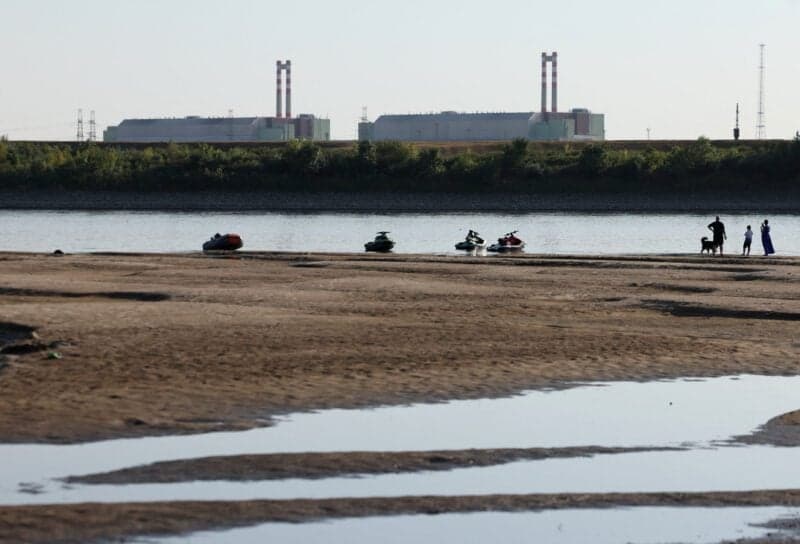
Hungary has completely shut down its only nuclear power plant, located in Paks, for the first time in its operational history. This drastic measure was necessitated by the critically low water levels of the Danube River, which is essential for the plant's cooling systems. The Paks plant, a crucial component of Hungary's energy infrastructure, relies on a consistent water supply to prevent overheating of its reactors.
This event underscores the growing vulnerability of industrial and energy infrastructure to environmental changes, particularly prolonged droughts and their impact on major waterways. The Danube, a vital artery for Central and Eastern Europe, has experienced historically low levels, affecting not only power generation but also inland waterway transport.
For freight forwarders and supply chain managers, this development signals potential disruptions beyond direct transportation. A prolonged shutdown or reduced capacity of a major power source can lead to energy shortages, increased electricity costs, and operational challenges for manufacturing and logistics facilities in the region. This could indirectly impact production schedules, warehousing operations, and overall supply chain stability, potentially leading to delays or higher operational expenses for businesses in Hungary and neighboring countries reliant on its energy grid. It also highlights the need for contingency planning against climate-related infrastructure failures.
The article does not specify any immediate plans for restarting the plant or alternative cooling solutions, indicating that operations will likely remain suspended until river levels recover sufficiently.