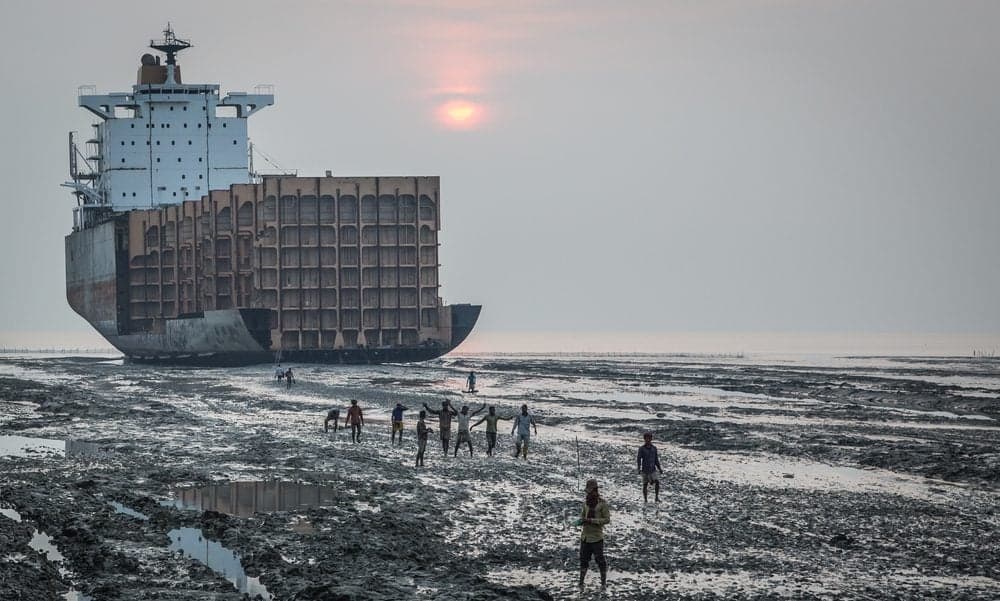
Nine workers tragically lost their lives due to toxic gas inhalation while engaged in the dismantling of an LNG carrier at a shipbreaking yard in Bangladesh. The incident has intensified scrutiny over the safety protocols and working conditions prevalent in South Asian ship recycling facilities. This particular yard was noted to be certified under the Hong Kong Convention, which aims to ensure safe and environmentally sound ship recycling practices.
For freight forwarders and operations managers, while this event does not directly impact current freight rates or capacity, it underscores the broader ethical and environmental considerations within the maritime supply chain. Shippers and carriers increasingly face pressure to ensure their end-of-life vessels are recycled responsibly. Incidents like this can lead to stricter enforcement of international conventions and potentially higher costs for compliant recycling, which might indirectly affect vessel operating expenses and, by extension, future freight costs. It also highlights the due diligence required when selecting recycling partners, even those with certifications.
The incident is expected to prompt further investigations into the implementation of safety standards at certified yards and could lead to calls for more stringent oversight by international bodies and flag states to prevent similar tragedies in the future.