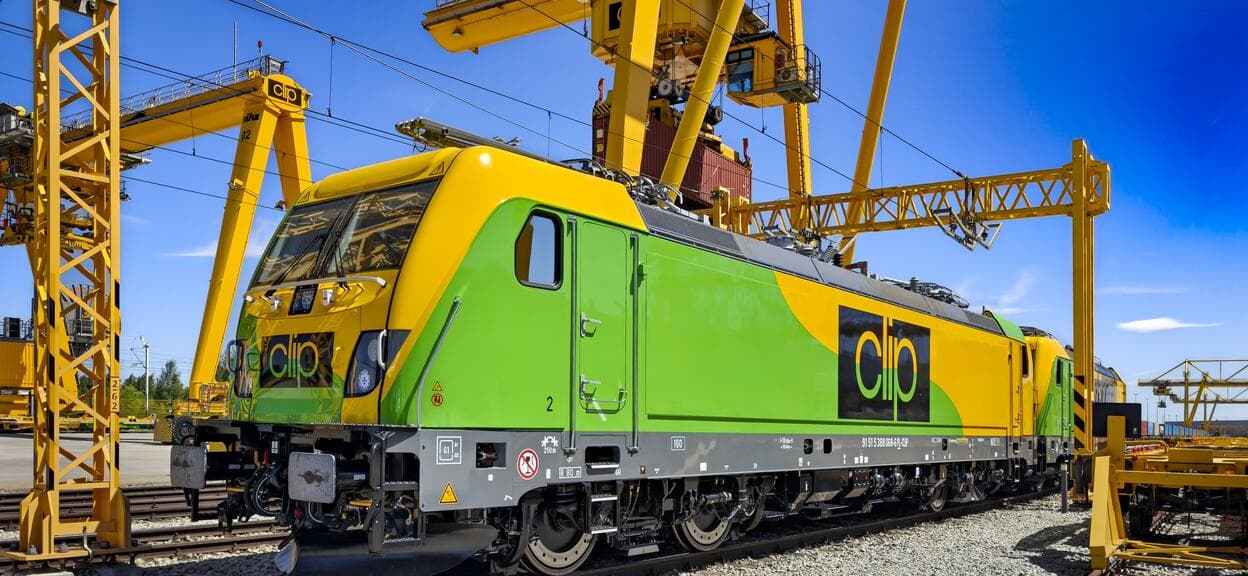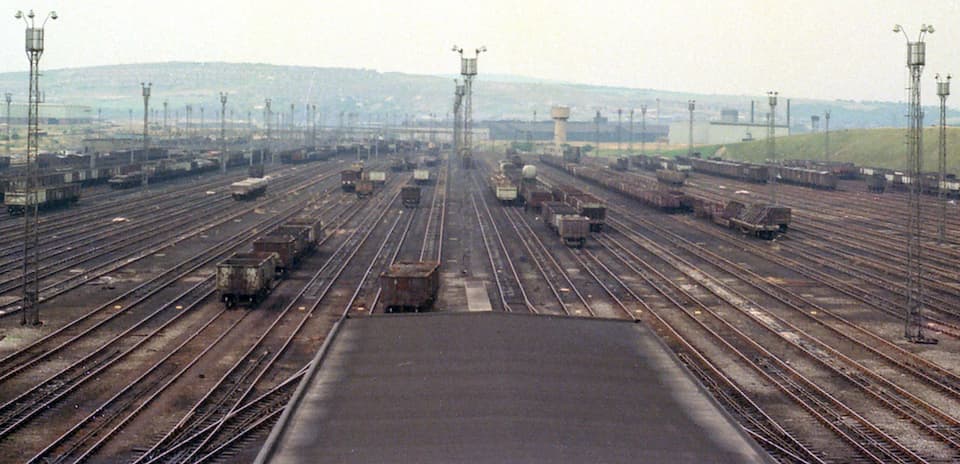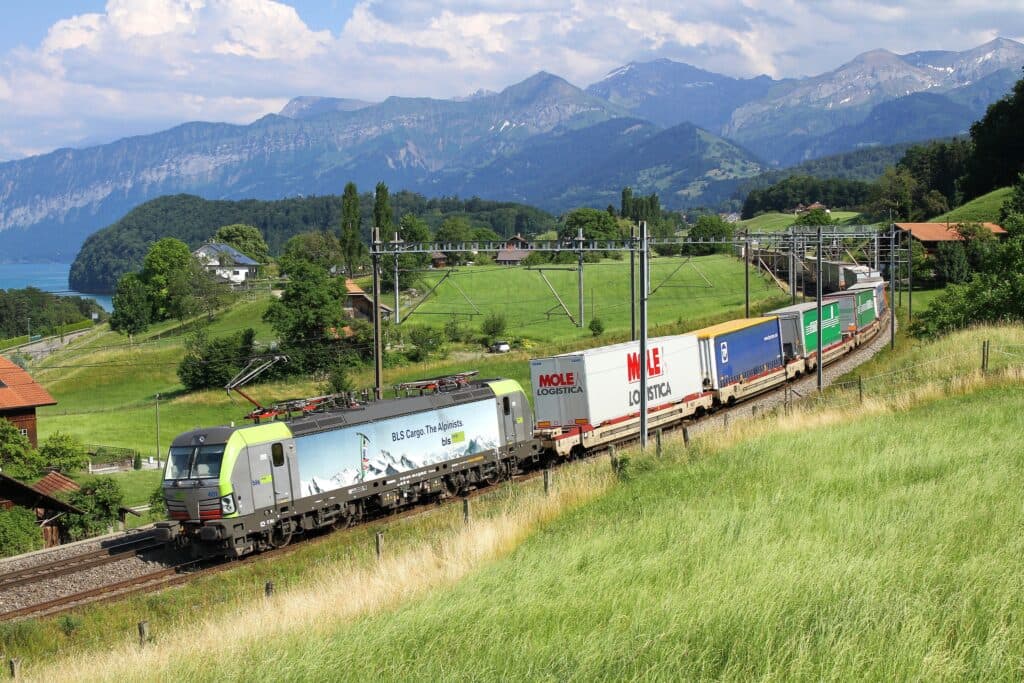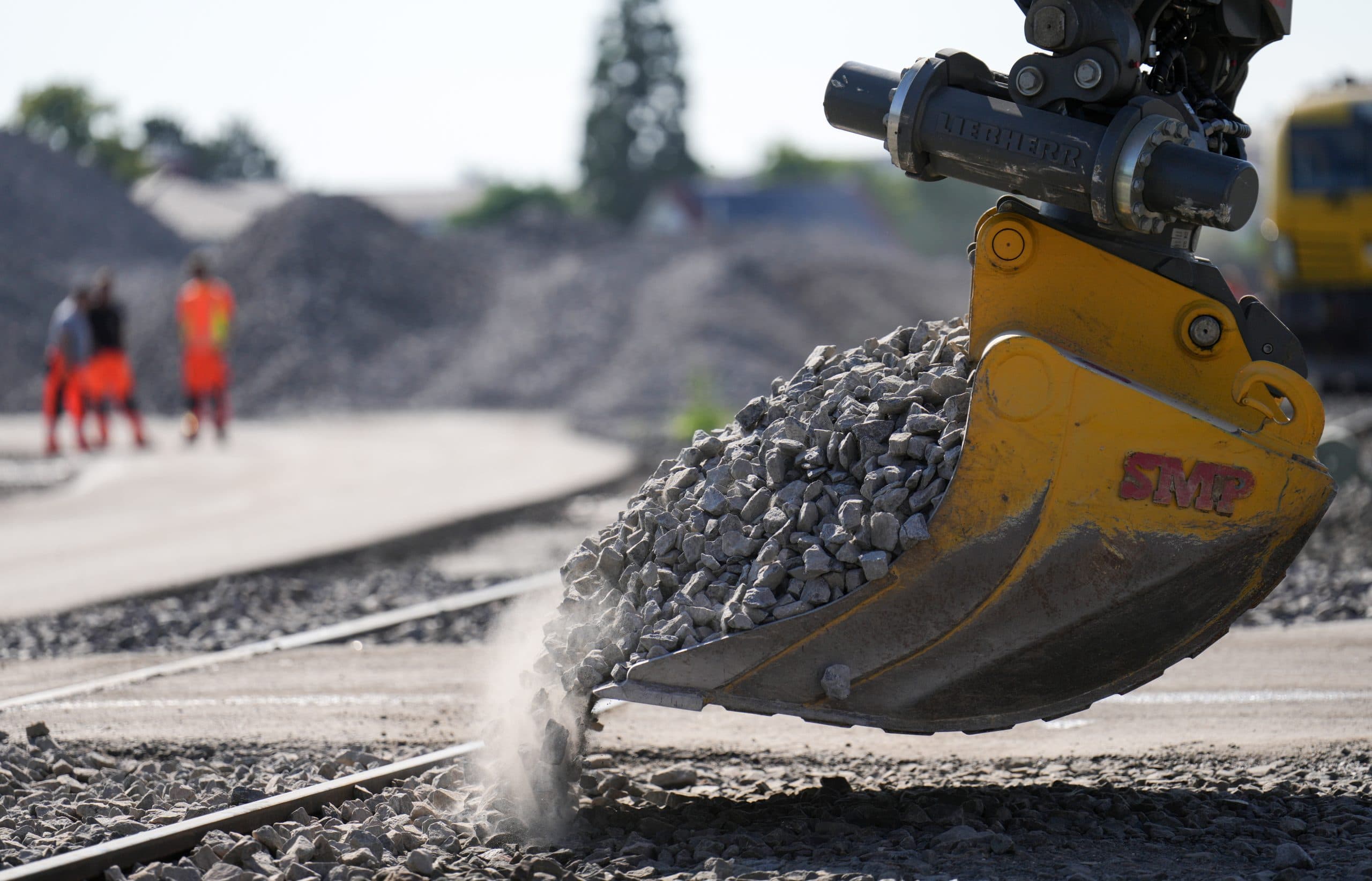
Ongoing, widespread rail infrastructure improvement projects across Europe are leading to significant disruptions and capacity reductions within the freight network. These extensive works, while necessary for future efficiency, are currently creating substantial operational challenges for rail freight operators. The cumulative effect of numerous closures and restrictions is pushing the system to its maximum tolerance for delays and re-routing.
For freight forwarders and logistics managers, this means increased transit times, reduced reliability, and potential for higher costs due to longer routes or the need for alternative transport modes. Capacity planning for rail shipments within Europe will become more complex, requiring careful monitoring of network status and potential bottlenecks. Shippers relying on European rail for time-sensitive cargo may need to consider buffer times or explore multimodal options to mitigate risks.