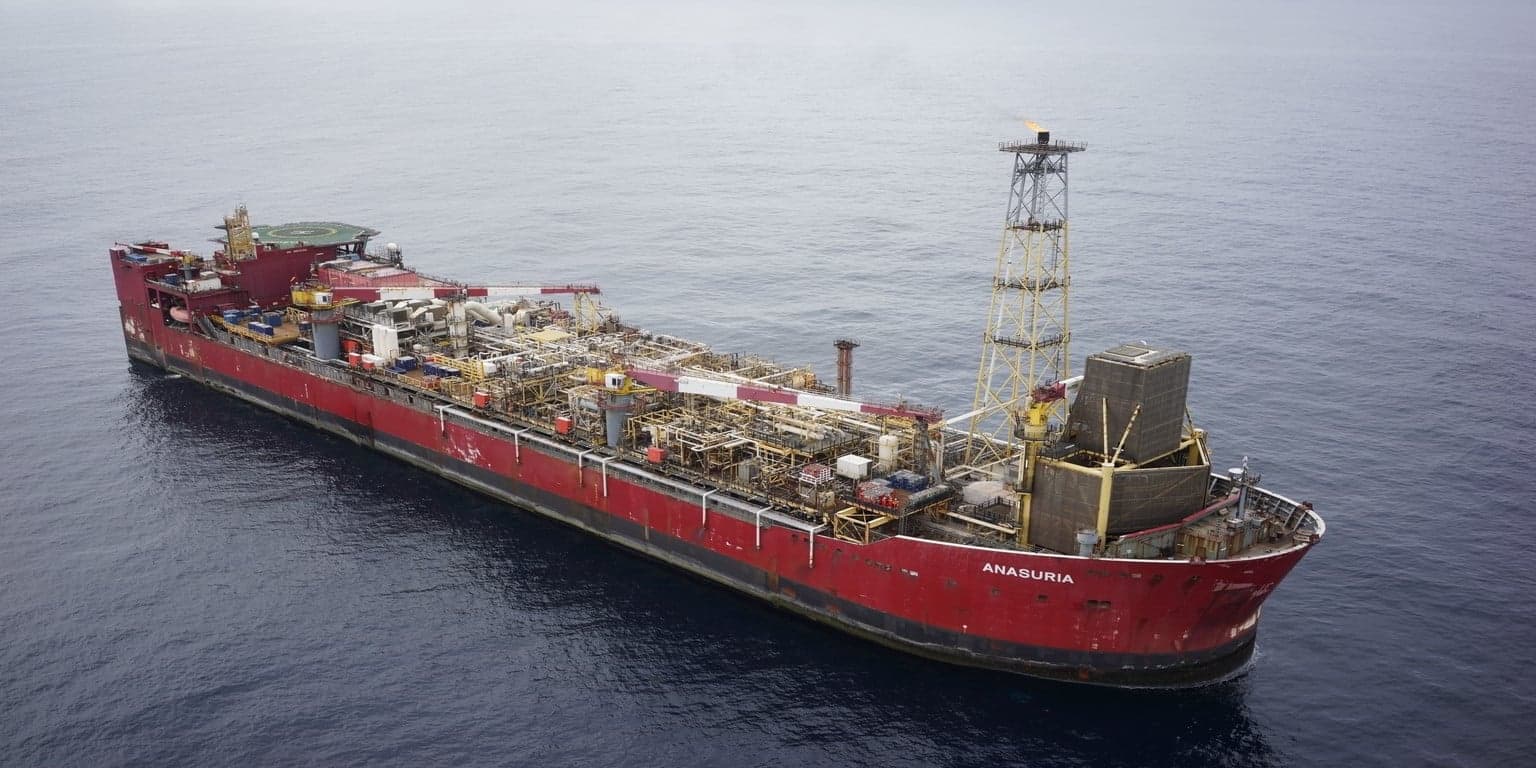
DeepOcean, an ocean services firm based in Norway, recently finished a subsea tie-in project in the UK sector of the North Sea. The operation involved connecting a new oil and gas development to an existing floating production, storage, and offloading (FPSO) vessel. Notably, the work was performed using diverless technology, relying on advanced robotics rather than human divers.
This development highlights the increasing trend towards automation and remote operations in complex offshore environments. Utilizing diverless technology enhances safety by removing personnel from hazardous deep-sea conditions and can also improve efficiency and reduce operational costs associated with manned diving support.
For freight forwarders, this type of project signifies ongoing demand for specialized heavy-lift and project cargo logistics, particularly for subsea components and offshore equipment. While the direct impact on container rates is minimal, it underscores the need for expertise in handling oversized and critical components for the energy sector. Forwarders involved in the oil and gas supply chain should anticipate continued investment in subsea infrastructure, driving requirements for specialized vessel charters and port services capable of managing large, complex project cargo movements.