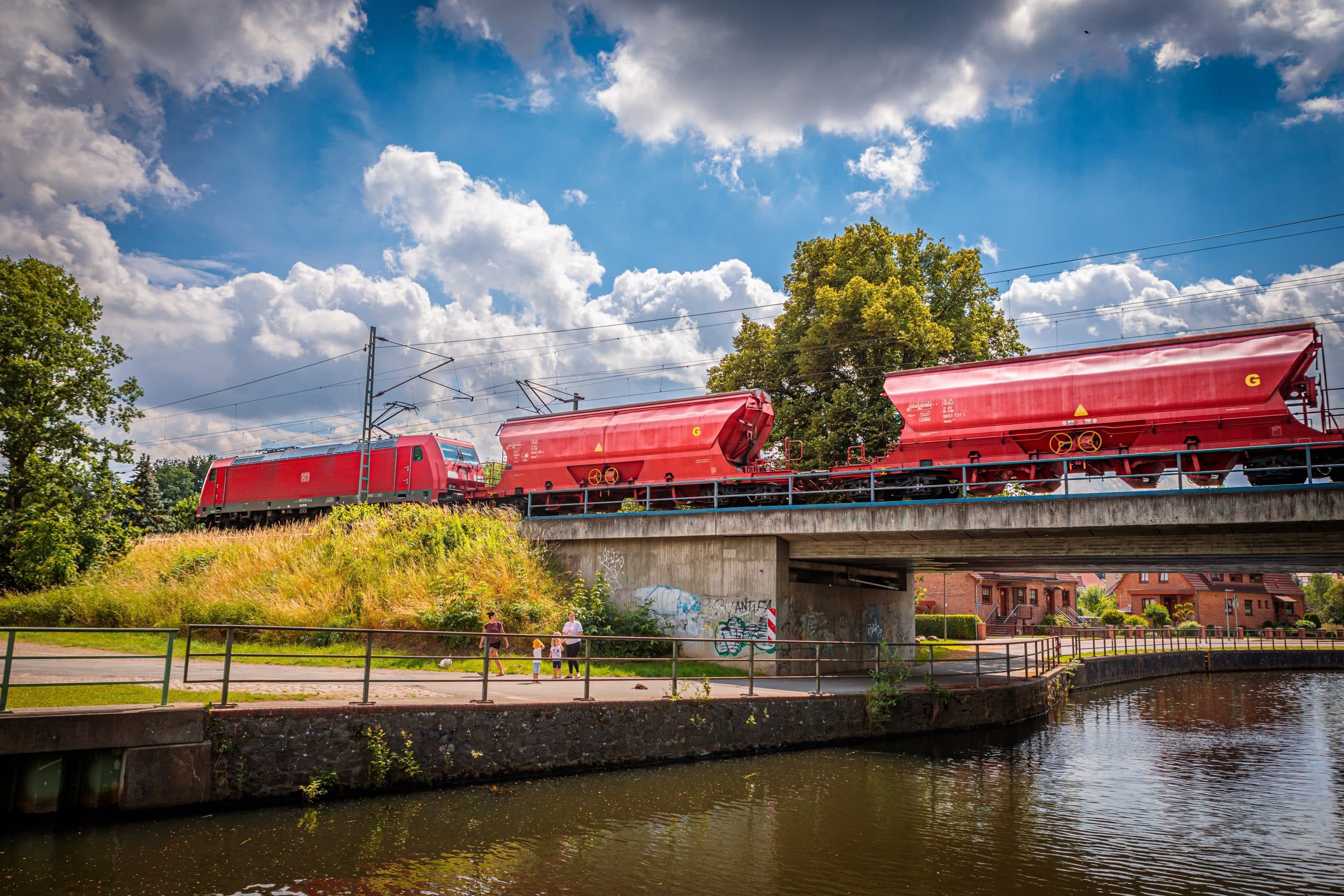
DB Cargo has indicated that it possesses the necessary capacity to manage additional rail freight traffic across the German network. This increased demand stems from the current low water conditions on the Rhine River, which have significantly hampered barge operations and reduced inland waterway transport capacity. The rail operator states that these extra freight volumes can be integrated into the existing schedule without causing disruptions to passenger services.
This situation highlights the critical role of rail freight as an alternative when other transport modes face environmental or infrastructural challenges. The Rhine is a vital artery for European inland shipping, and its low water levels frequently necessitate shippers to seek alternative logistics solutions, such as rail.
For freight forwarders and logistics managers, this announcement from DB Cargo is significant. It suggests that a reliable alternative exists for cargo typically moved via the Rhine, potentially preventing severe supply chain bottlenecks. Forwarders should consider rail as a viable option for shipments affected by low water, though they should also factor in potential capacity constraints and lead times for booking rail services. While DB Cargo states no impact on passenger services, increased freight volumes could still lead to some operational adjustments or minor delays on specific routes.
Looking ahead, the ability of rail operators to absorb such modal shifts will be crucial for maintaining supply chain resilience, especially as climate change may lead to more frequent low water events on key waterways.