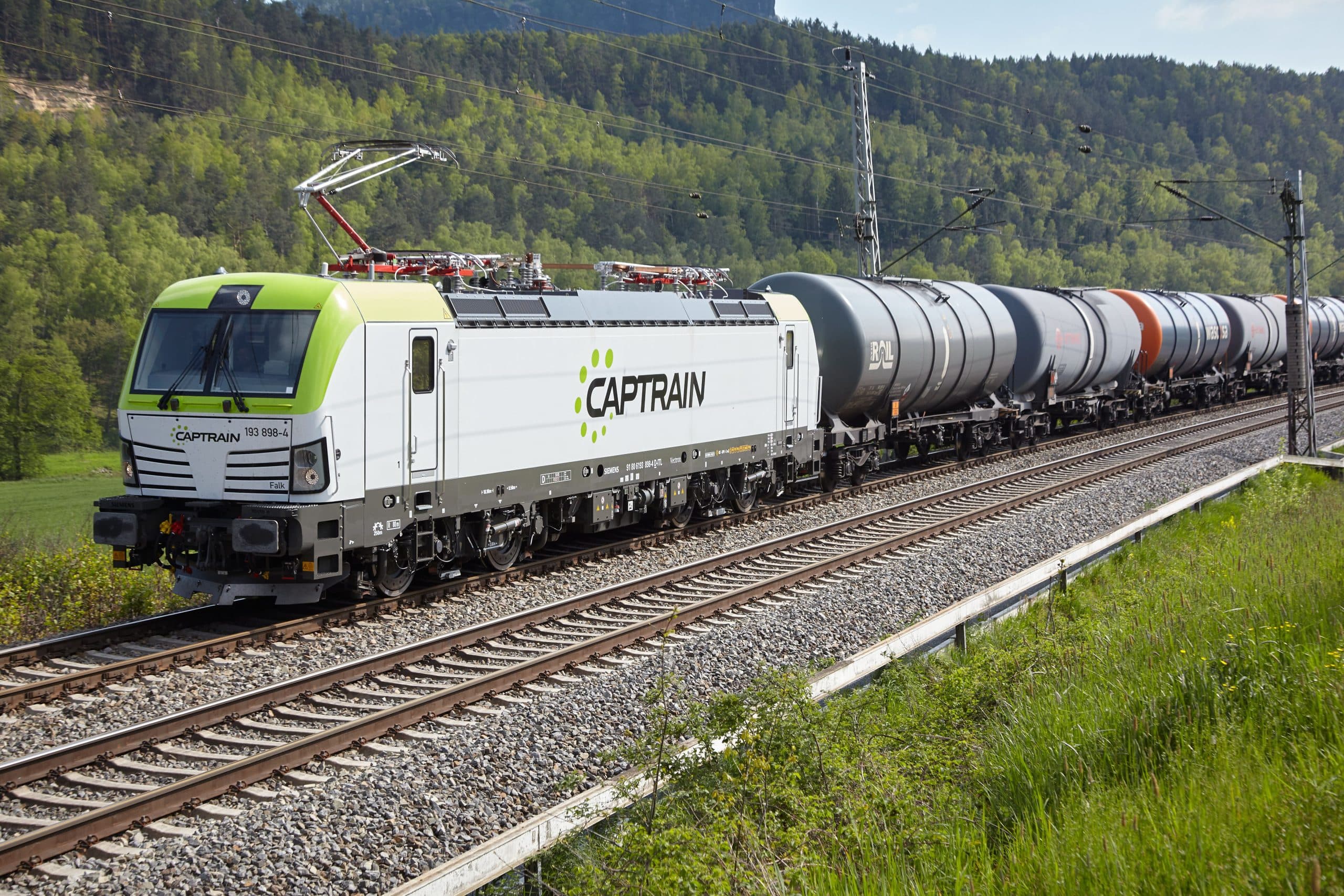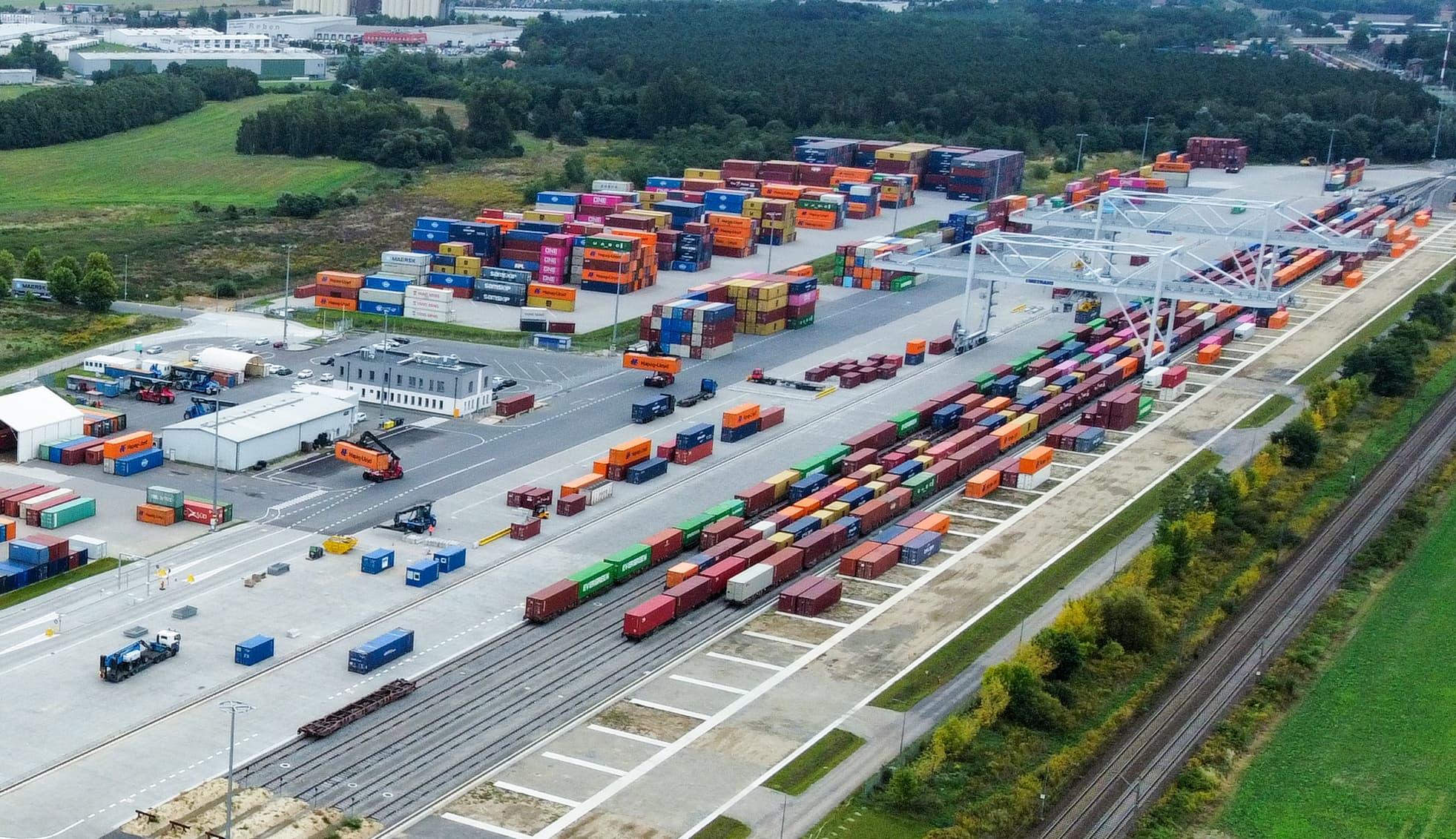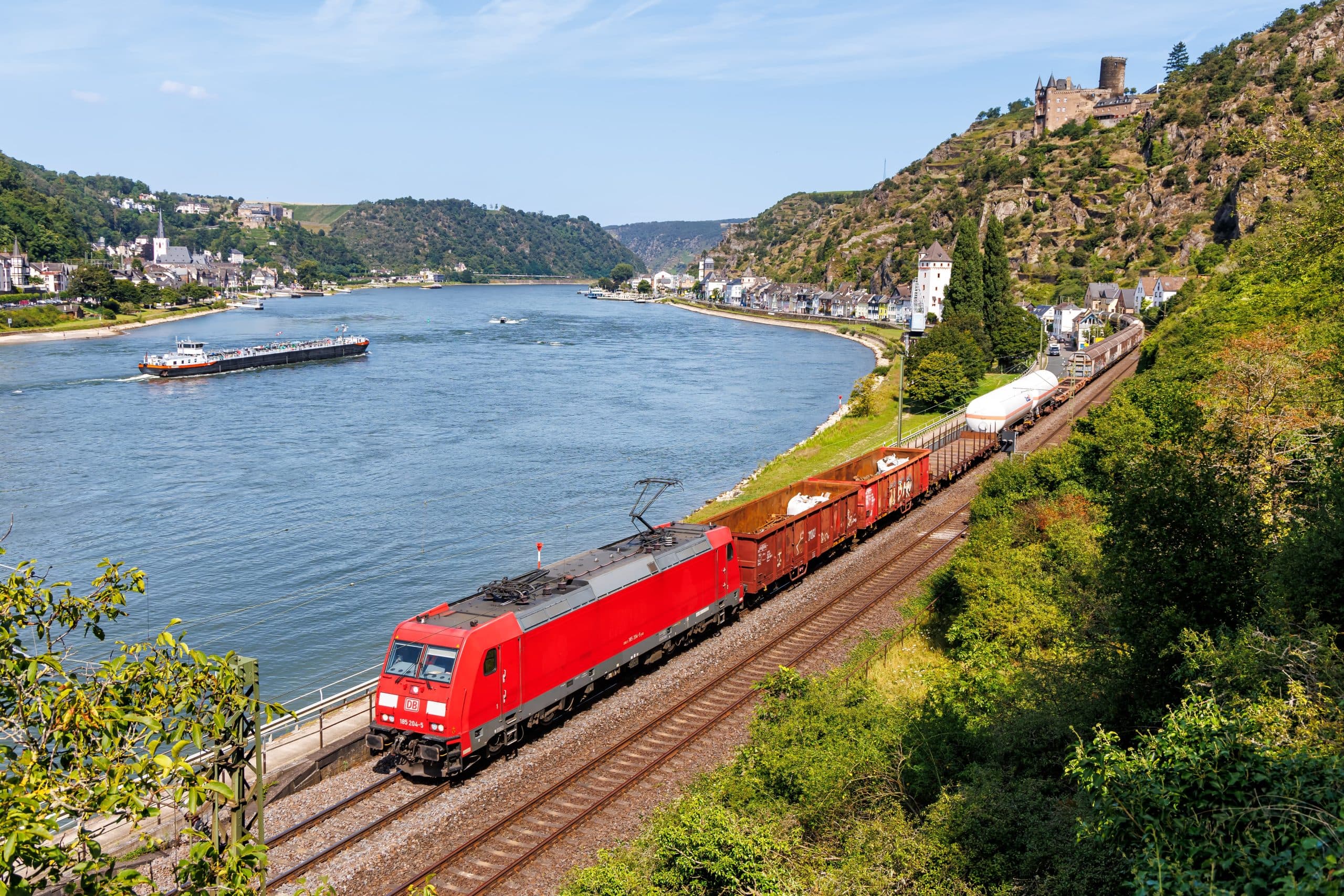
DB Cargo is significantly increasing its rail freight capacity along the Rhine River by introducing 400 additional wagons. This strategic move is a direct response to the persistent low water levels on the Rhine, which have severely hampered barge traffic and disrupted supply chains reliant on inland waterways.
For freight forwarders and operations managers, this development means increased reliability and alternative routing options for cargo moving through the affected region. The additional rail capacity can help mitigate delays and potential surcharges associated with river transport disruptions, offering a more stable solution for shippers. It is crucial for forwarders to assess the cost-effectiveness and transit times of these rail alternatives compared to traditional barge services, especially for time-sensitive or high-value goods.
This initiative underscores a broader trend among rail operators to provide robust alternatives when natural conditions impact other transport modes, enhancing supply chain resilience in critical European corridors. Shippers should consider integrating rail into their contingency plans for Rhine-dependent logistics.