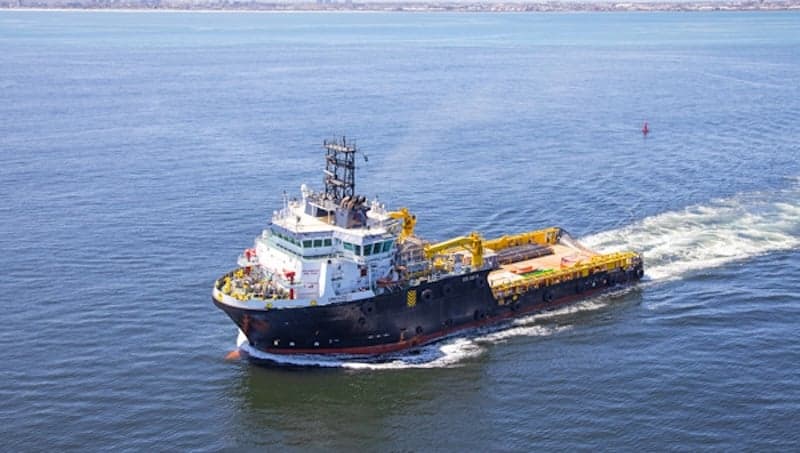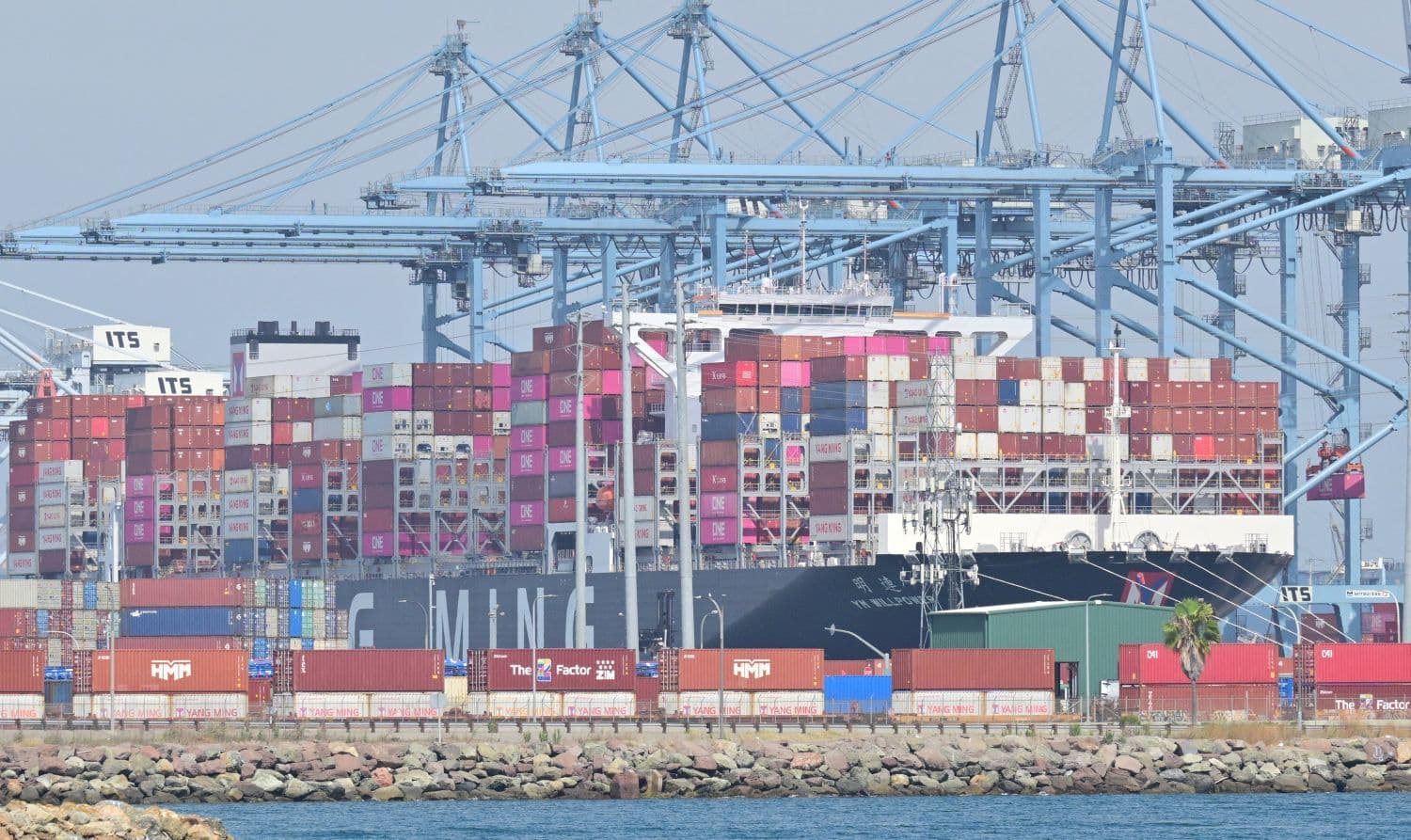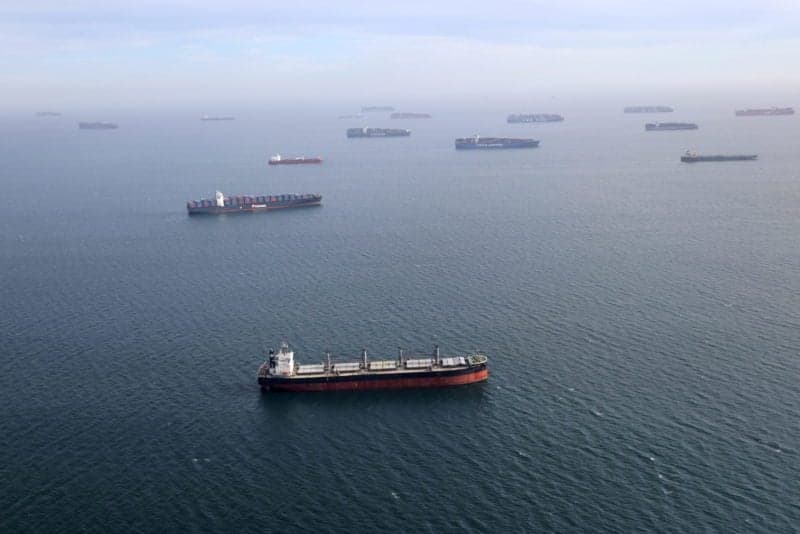
Global container shipping is experiencing significant operational challenges, with roughly 12% of the world's container ship capacity currently held up by port congestion. This situation suggests that the core issue facing the industry is not a shortage of available vessels but rather the inefficient flow of ships through port infrastructure.
For freight forwarders and operations managers, this level of port congestion translates directly into increased transit times and reduced schedule reliability. Shippers may face delays in cargo delivery, potentially leading to higher inventory costs and disruptions to their supply chains. The effective capacity available for booking is diminished, which can put upward pressure on freight rates, especially on heavily impacted trade lanes. Forwarders will need to actively monitor port conditions and adjust routing or carrier choices to mitigate potential delays and communicate proactively with clients regarding revised estimated times of arrival.