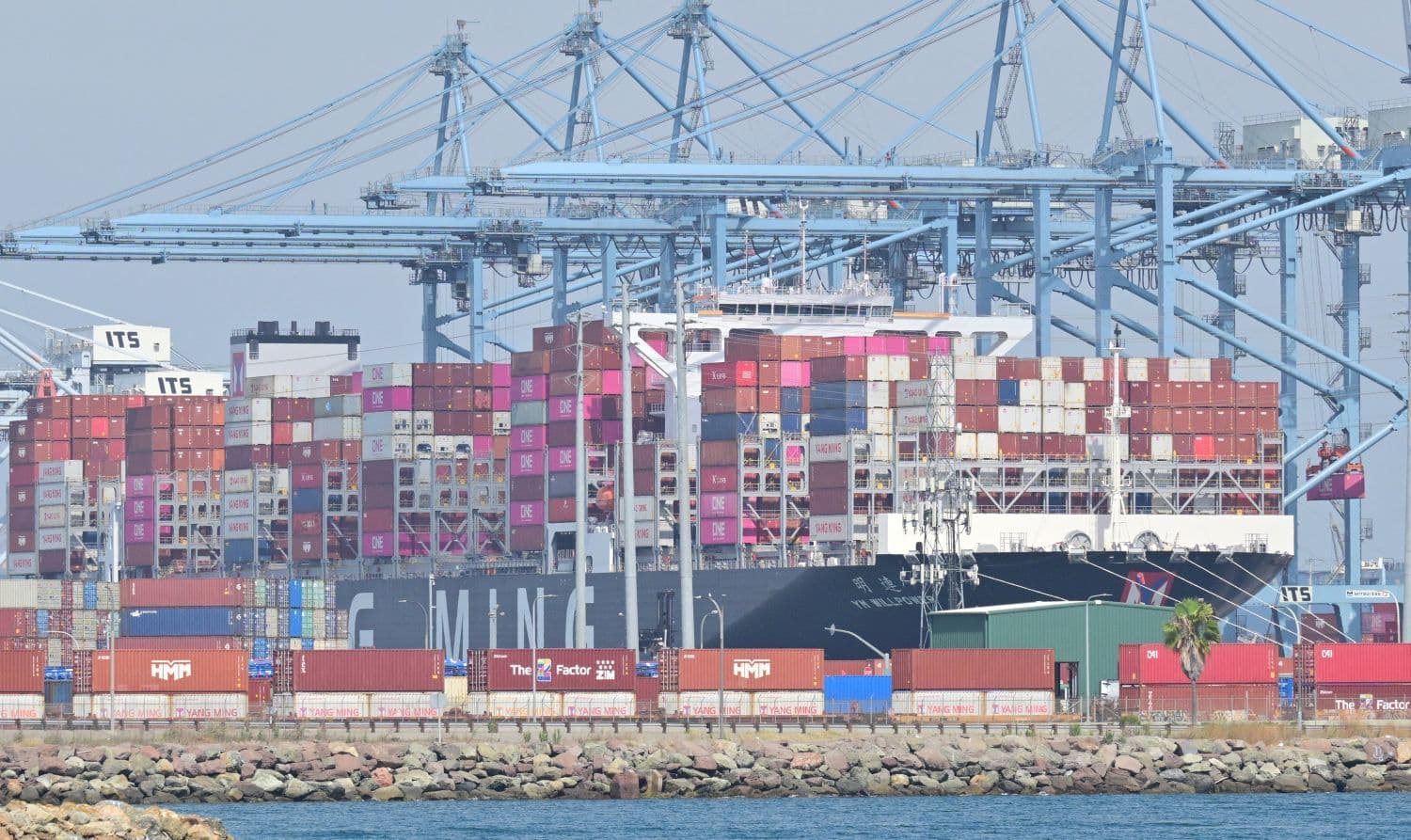
Ports across the United States are evaluating the integration of advanced nuclear reactor technology to power their growing operational and infrastructure needs. This strategic shift aims to provide a stable and sustainable energy source for port expansion, including the electrification of equipment and cold ironing capabilities for vessels.
Historically, port energy demands have largely been met by traditional fossil fuels or grid electricity. However, the push for decarbonization and energy independence is leading ports to explore innovative solutions like small modular reactors (SMRs) or other advanced nuclear designs. These reactors offer a compact footprint and high energy output, making them suitable for industrial applications like port facilities.
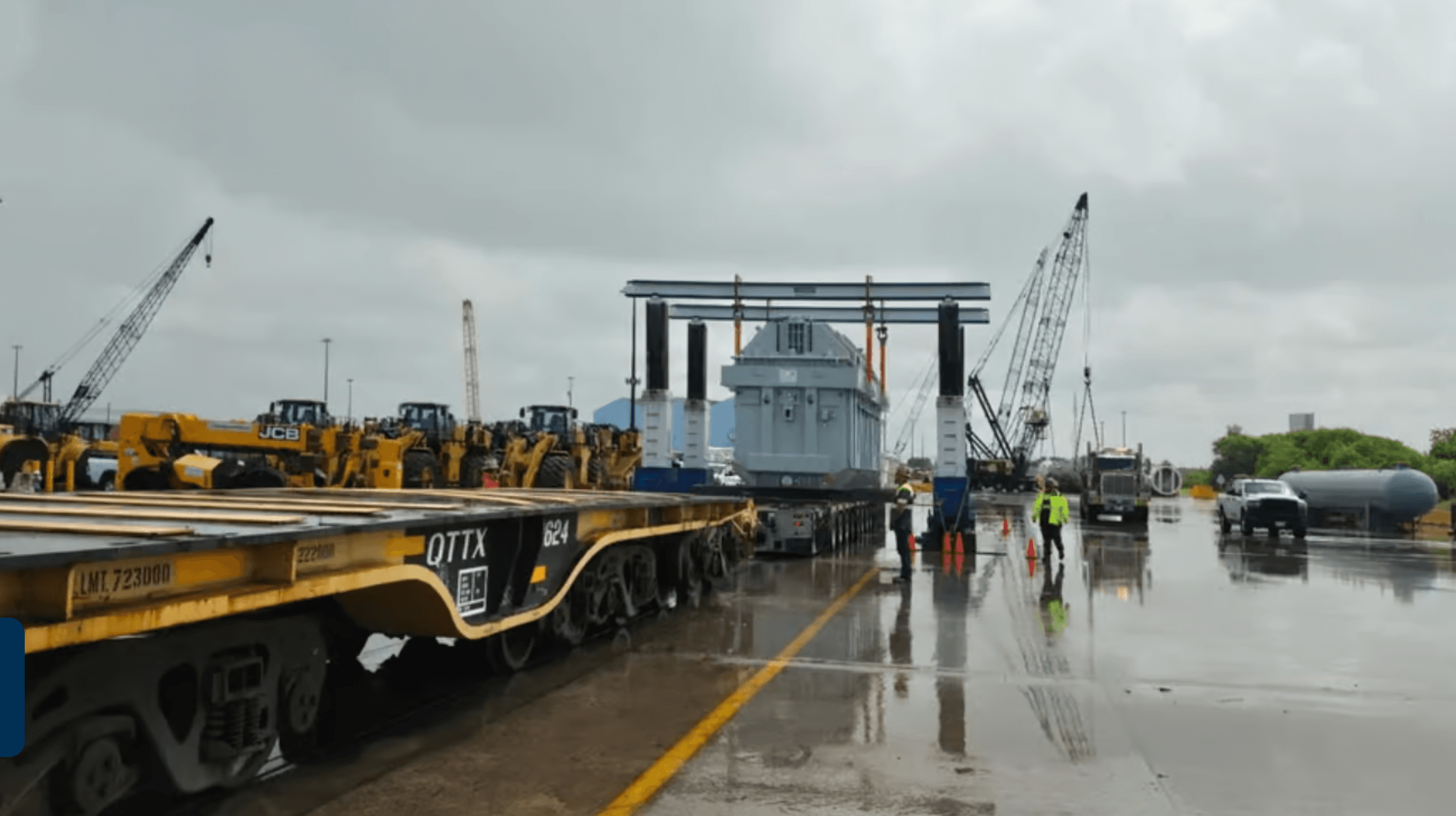
For freight forwarders and logistics professionals, this trend signifies a potential new stream of project cargo. The construction and deployment of these advanced nuclear facilities will require the transport of specialized, heavy-lift components, such as reactor modules, turbines, and associated infrastructure. This will likely increase demand for multipurpose vessels (MPVs) and specialized heavy-haul road and rail transport, offering diversification for carriers and forwarders in the breakbulk sector. Operations managers should anticipate the need for specialized handling and permits for these oversized and heavy components, requiring careful planning and coordination.
While the article does not specify a timeline, the US government's broader push to expand its reactor fleet suggests that such projects could materialize in the coming years, creating a new niche for project logistics services.