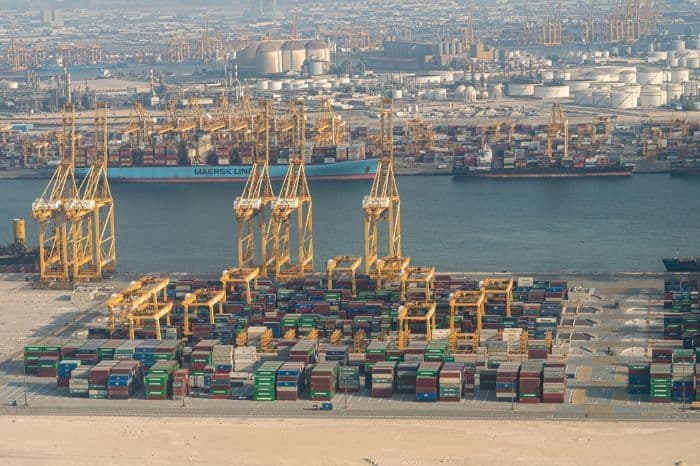
Ocean carriers are demonstrating significant reluctance to fully re-engage with the Strait of Hormuz, even in scenarios involving ceasefires or a formal end to the current conflict. This hesitation stems from nearly six months of intermittent ship attacks and unpredictable transit conditions, which have heightened concerns about the safety of vessels, crew, and cargo.
For freight forwarders and operations managers, this sustained caution from carriers implies that the Strait of Hormuz will likely remain a high-risk area for an extended period. This could lead to continued re-routing of services, longer transit times, and potentially higher war risk insurance premiums, even if direct hostilities subside. Forwarders should anticipate that carriers will prioritize safety over expediency, impacting service reliability and costs for shipments destined for or originating from the Persian Gulf region. The long-term implications for supply chain planning include the need for alternative routing strategies and careful consideration of lead times and associated surcharges.