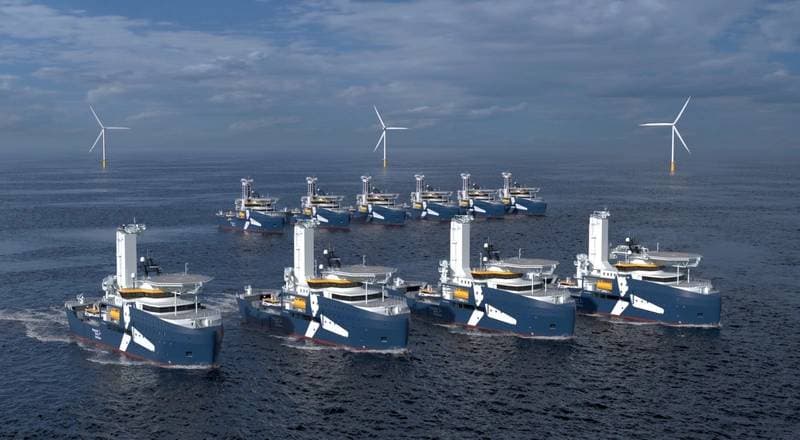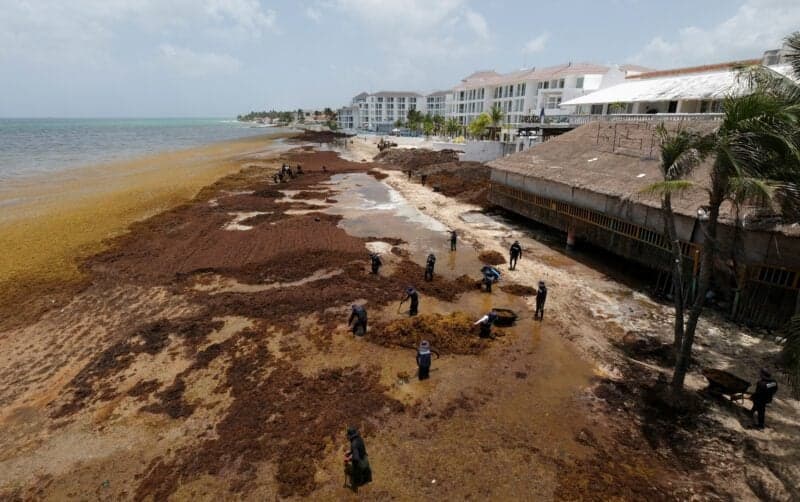
Caribbean countries are actively implementing various strategies to combat the escalating problem of sargassum seaweed accumulation. These efforts include deploying specialized boats designed for seaweed collection, installing protective barriers along coastlines, and investigating the potential of converting the collected sargassum into biofuel. The significant increase in sargassum poses a severe threat to the region's vital tourism industry, marine ecosystems, and local economies.
The influx of sargassum has been a growing concern for over a decade, with recent years seeing record-breaking quantities washing ashore. This natural phenomenon, linked to climate change and nutrient runoff, creates massive mats that smother coral reefs, deplete oxygen in coastal waters, and release hydrogen sulfide gas as they decompose, impacting air quality and public health.
For freight forwarders and shippers, the sargassum issue could indirectly affect port operations and coastal logistics in the Caribbean. While not directly impacting deep-sea shipping lanes, heavy sargassum concentrations near port entrances or along coastal routes could potentially cause minor delays for smaller feeder vessels or local maritime transport. Furthermore, any significant downturn in tourism due to environmental degradation could reduce demand for imported goods, impacting regional trade volumes. The development of sargassum-to-biofuel initiatives might also create new niche logistics demands for transporting raw seaweed and processed fuel.
Moving forward, regional governments and scientific bodies are continuing to research long-term solutions, including advanced collection methods and sustainable uses for the seaweed, to protect the Caribbean's natural resources and economic stability.