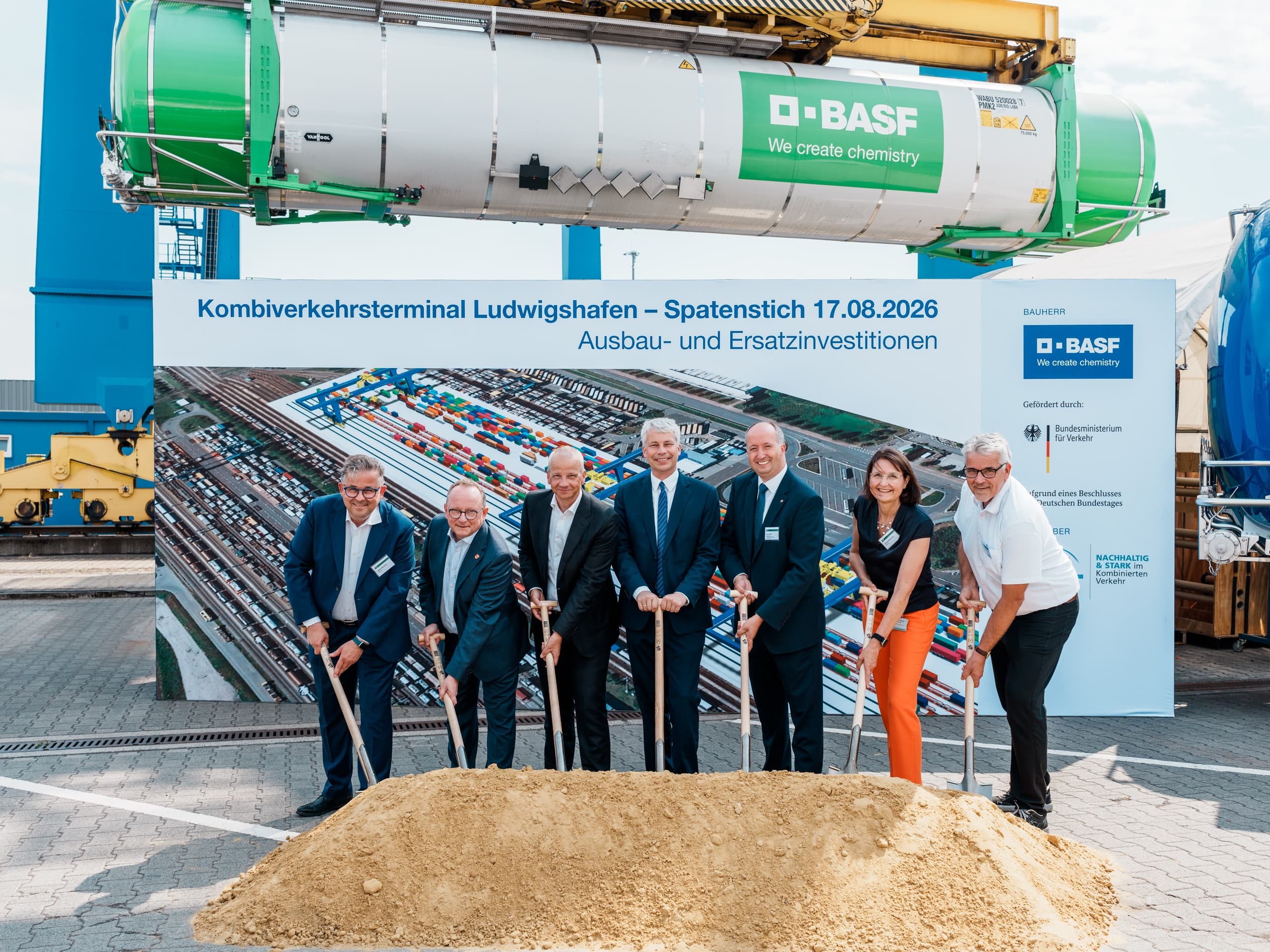
German chemicals giant BASF has commenced a substantial upgrade project at its Ludwigshafen facility, committing over €100 million to modernize one of the country's largest multimodal terminals. This investment is specifically aimed at improving the terminal's operational capabilities and strengthening its resilience against disruptions, such as the persistent low water levels on the Rhine River.
The Rhine River, a crucial inland waterway for European logistics, has experienced increasingly frequent and severe low water periods in recent years. These conditions significantly restrict the navigability of barges, forcing shippers to reduce cargo loads or seek alternative transport modes, leading to supply chain inefficiencies and increased costs. BASF's decision to invest in its Ludwigshafen terminal directly addresses these challenges, seeking to mitigate future impacts on its extensive chemical production and distribution network.
For freight forwarders and logistics managers, this upgrade signifies a potential improvement in the reliability of inland transport for chemical goods originating from or destined for the Ludwigshafen area. Enhanced terminal infrastructure could lead to more consistent turnaround times for barges and potentially reduce the need for costly last-minute modal shifts during periods of low water. It may also support greater intermodal flexibility, offering more robust options for connecting river transport with rail and road networks.
While the article does not specify a completion timeline, the ongoing investment indicates a long-term strategy by BASF to secure its supply chain against environmental and logistical vulnerabilities on the Rhine.