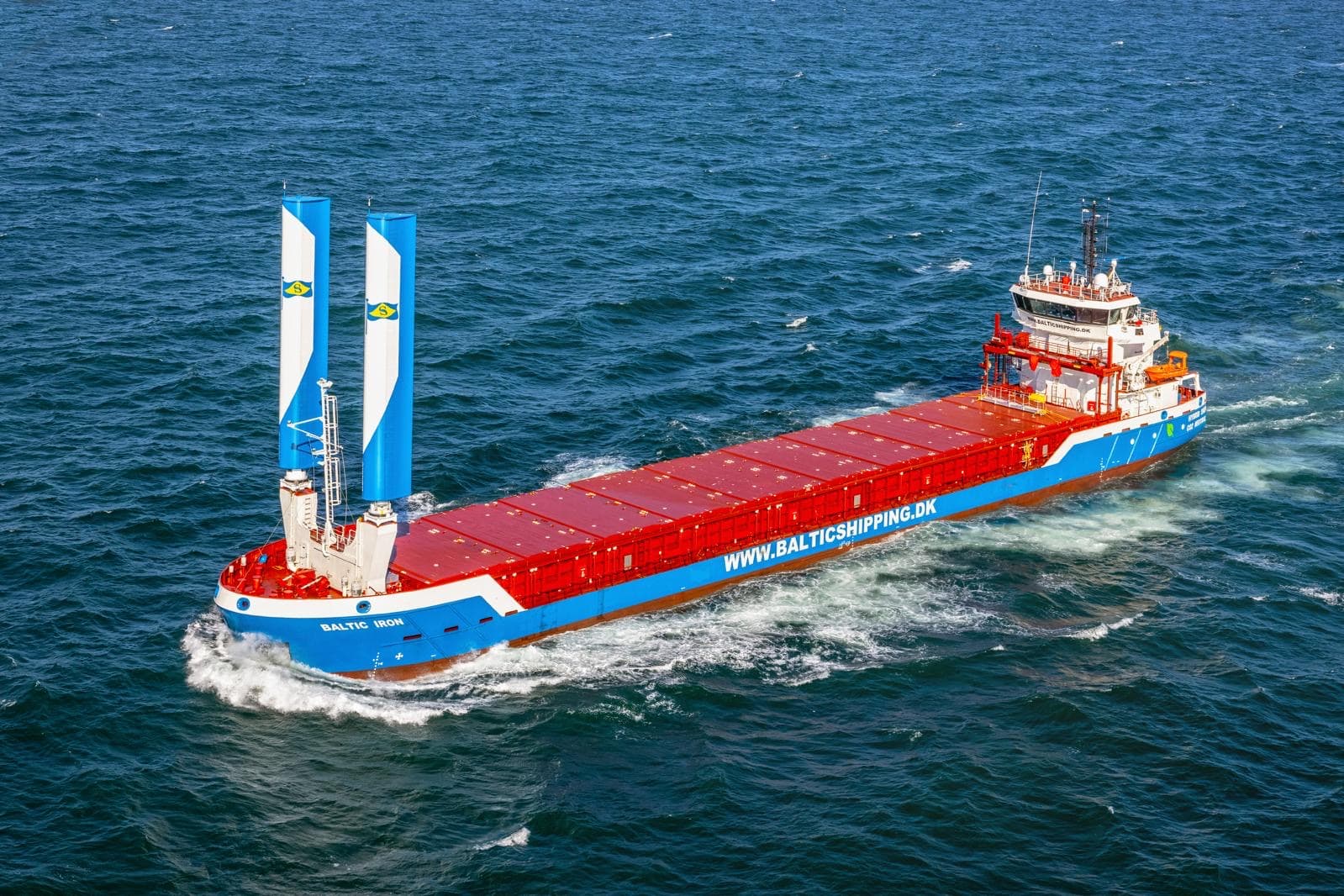
Baltic Shipping Company has recently augmented its fleet by commissioning two new hybrid coasters, named Baltic Iron and Baltic Timber. Each vessel boasts a deadweight tonnage of 3,550 tons and is equipped with two VentoFoils from Econowind, alongside integrated battery technology. The shipping company anticipates that these features will lead to a significant reduction in fuel consumption, potentially by as much as 12 percent.
This investment reflects a broader industry movement towards more sustainable maritime operations. The adoption of wind-assisted propulsion and hybrid power systems aims to lower operational costs through fuel efficiency and reduce the environmental footprint of shipping activities.
For freight forwarders and operations managers, the introduction of such vessels by carriers like Baltic Shipping Company signals a gradual shift in available capacity towards more eco-friendly options. While these specific coasters operate in regional trade, the trend indicates that shippers may increasingly have access to, or face pressure to choose, carriers employing green technologies. This could influence route planning, carrier selection, and potentially contribute to meeting sustainability targets for supply chains, though direct rate impacts are not immediately clear for general cargo.
This move by Baltic Shipping Company aligns with global efforts to decarbonize the shipping sector, suggesting a future where hybrid and wind-assisted vessels become more common, potentially impacting vessel specifications and operational profiles across various trade lanes.