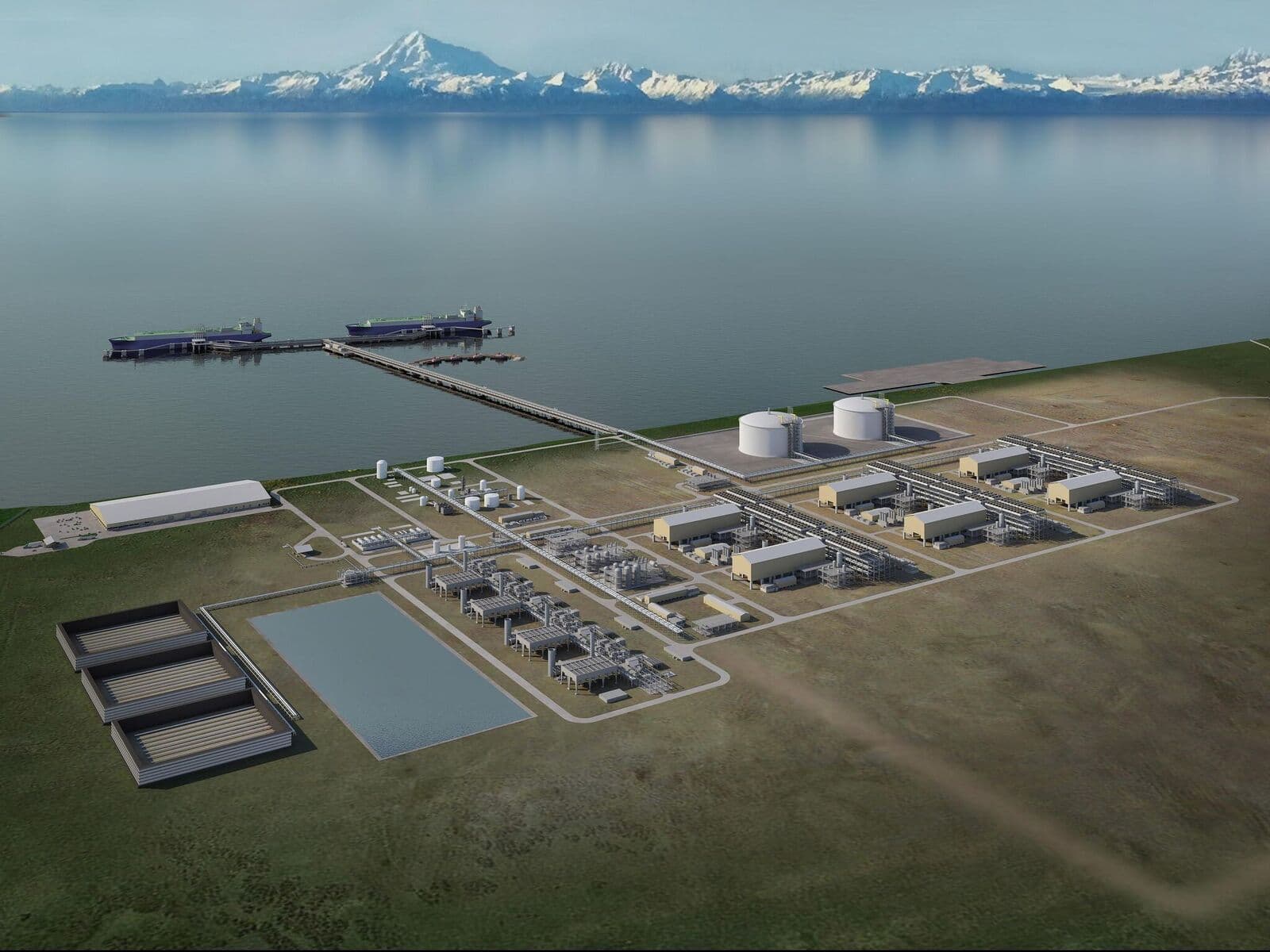
Permitting delays are significantly hindering the development of energy projects across the United States, impacting an estimated $121 billion in investments and 92 gigawatts (GW) of potential energy capacity. This situation is creating considerable disruption for the supply chains involved in project cargo, heavy-lift operations, and renewable energy infrastructure.
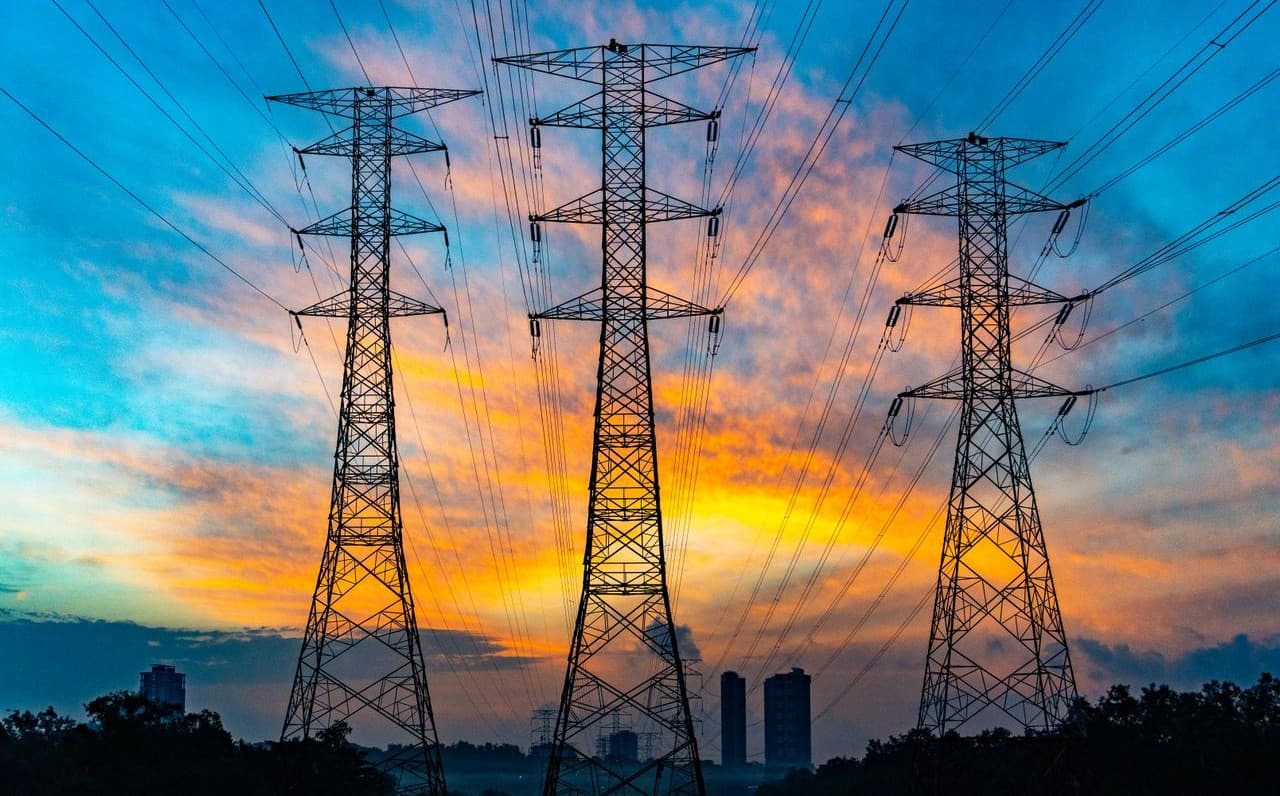
The core issue stems from a complex and often protracted permitting process, which is slowing down the deployment of critical energy infrastructure. This bottleneck is occurring at a time when the demand for electricity is rapidly increasing, largely driven by the expansion of data centers and other high-consumption industries, placing considerable strain on the existing power grid.
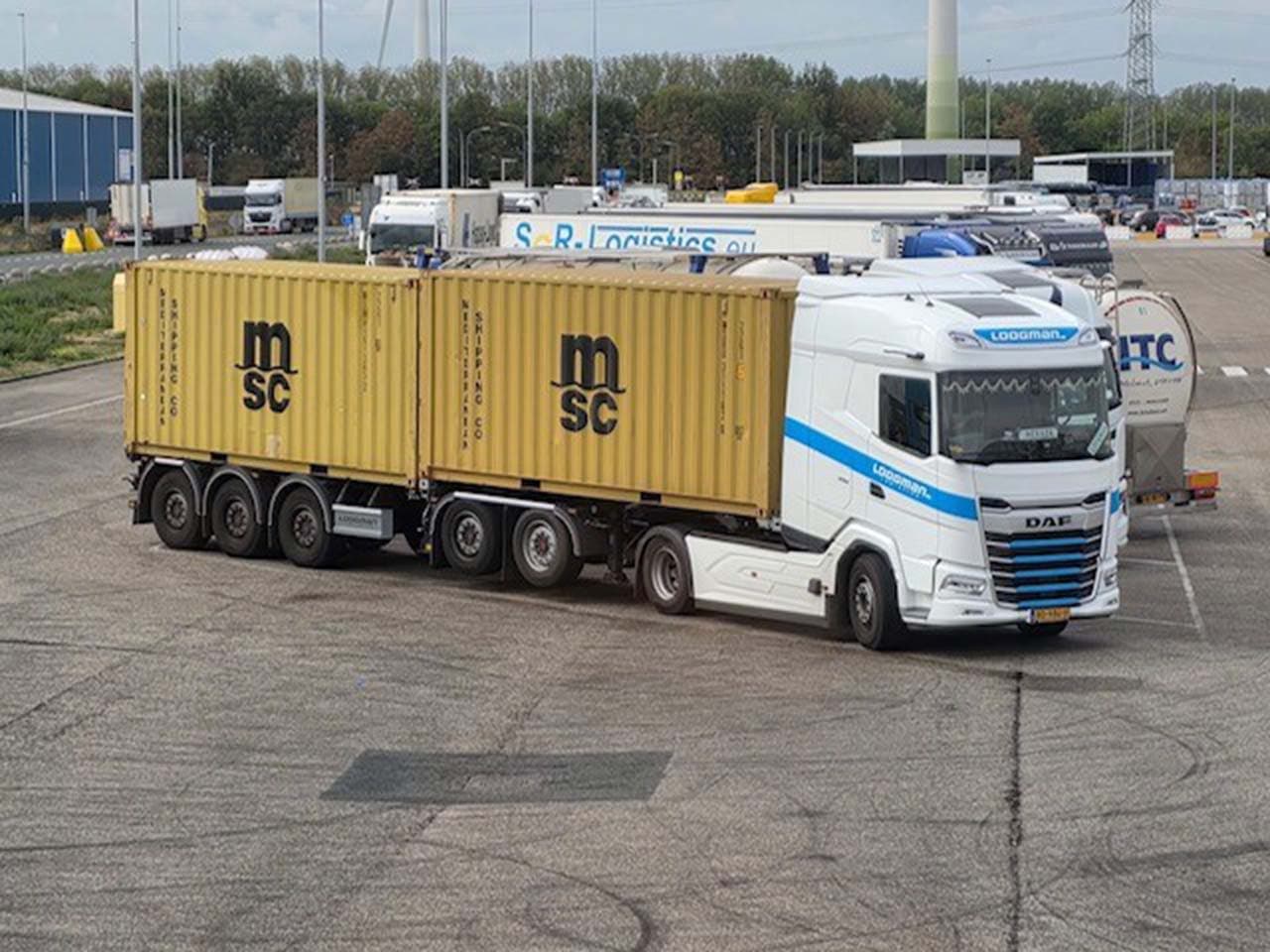
For freight forwarders and logistics professionals, these delays translate into uncertainty and potential rescheduling of large-scale shipments. Project cargo and heavy-lift specialists, in particular, face challenges in planning the transport of oversized and heavy components for new power plants, transmission lines, and renewable energy installations. The inability to secure permits in a timely manner can lead to storage costs, idle equipment, and difficulties in coordinating complex multimodal transport operations. This situation underscores the need for flexible planning and robust risk management strategies when handling energy sector projects in the US.
While the article does not specify immediate next steps, the ongoing pressure from rising energy demand and the substantial investment at risk suggest that stakeholders will continue to push for streamlined permitting processes to accelerate project development.