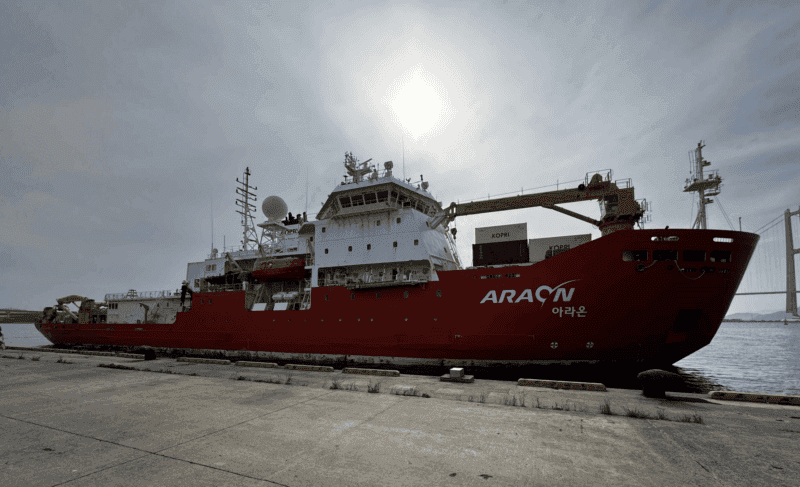
South Korea's Korea Polar Research Institute (KOPRI) has dispatched its research icebreaker, the Araon, on its 17th Arctic expedition. The primary objective of this year's mission is to gather crucial scientific data that will inform and support the potential future development of Arctic shipping routes. This initiative reflects Seoul's increasing efforts to capitalize on emerging northern sea lanes for commercial and strategic advantages.
For freight forwarders and logistics professionals, the long-term development of Arctic shipping routes could represent a significant shift in global trade lanes. While not an immediate operational change, successful navigation and commercial viability of these routes could eventually offer shorter transit times between Asia and Europe, bypassing traditional chokepoints like the Suez Canal. However, challenges such as ice conditions, limited infrastructure, environmental concerns, and geopolitical factors remain substantial. Forwarders should monitor these developments for future strategic planning, particularly regarding potential changes in transit times and associated costs for Asia-Europe cargo.