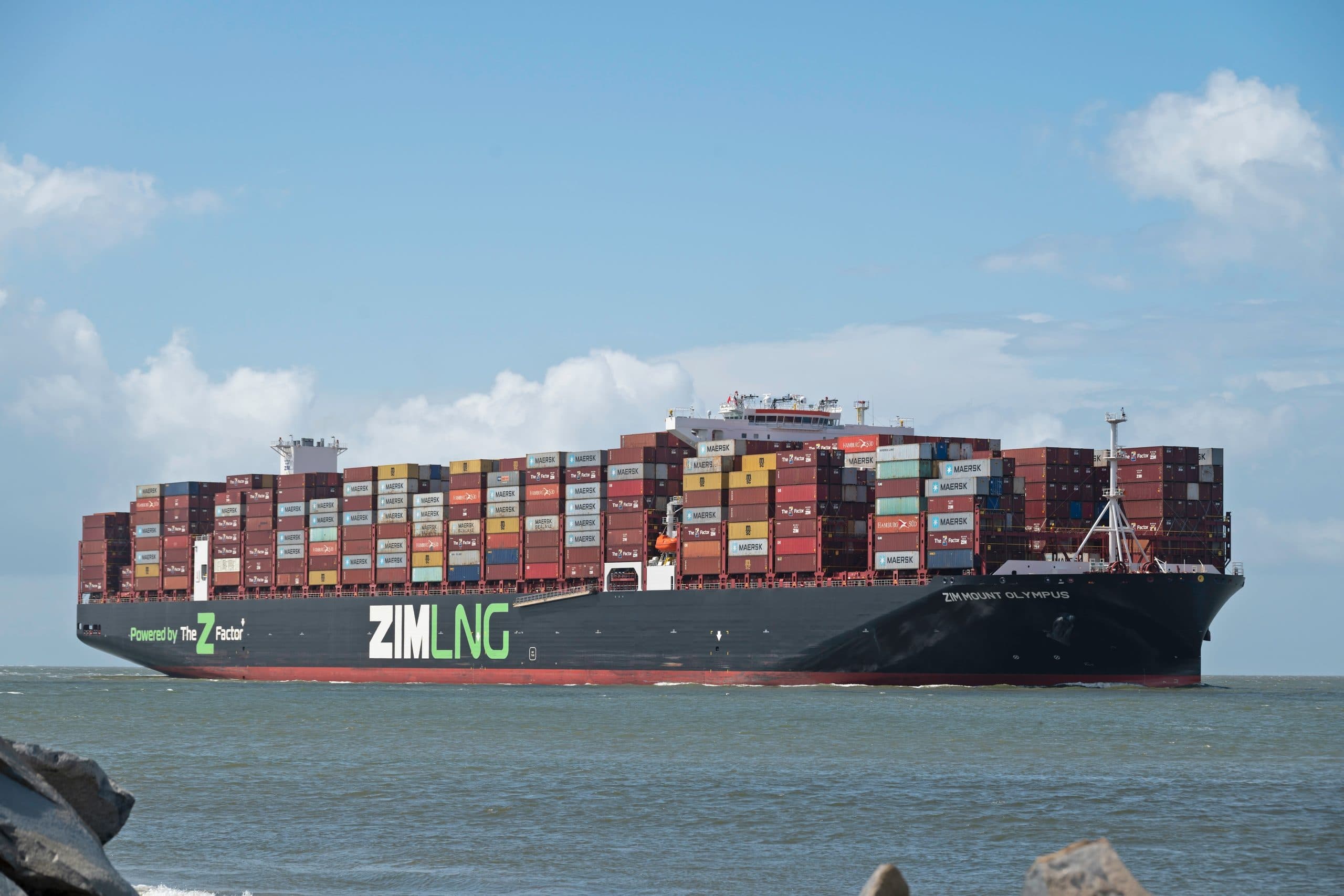
A recent analysis highlights that the container shipping industry, rather than returning to pre-pandemic norms, has entered a new phase characterized by continuous disruptions. These successive global crises have acted as catalysts, fundamentally altering established trade routes and the connectivity of ports worldwide. The report suggests that these challenges are not merely temporary setbacks but are driving long-term structural changes in how global supply chains operate.
For freight forwarders and operations managers, this means a heightened need for adaptability and resilience in their logistics planning. The shifting connectivity patterns could impact transit times, available capacity on certain routes, and overall freight costs. Forwarders may need to re-evaluate traditional routing options and consider alternative ports or multimodal solutions to maintain service levels for shippers. Understanding these evolving connectivity dynamics is crucial for optimizing supply chain efficiency and mitigating risks in an increasingly unpredictable environment.