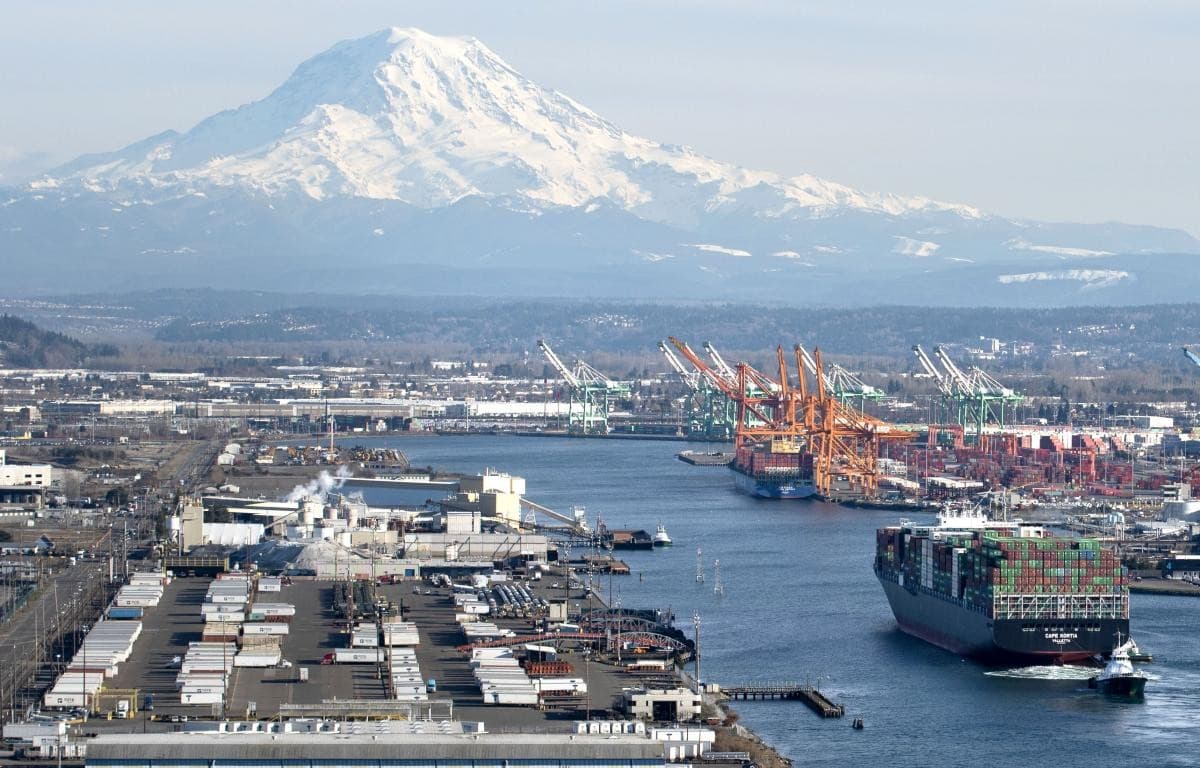
The Northwest Seaport Alliance (NWSA), encompassing the ports of Seattle and Tacoma, is drawing attention to its substantial $55 billion economic impact on the region. This renewed focus comes as the gateway experiences a mixed recovery in cargo volumes. While breakbulk cargo has seen notable gains, container volumes have been uneven, reflecting broader shifts in global trade patterns.
For freight forwarders and operations managers, this situation implies a need for flexible planning. The growth in breakbulk could offer new opportunities for specialized cargo movements, potentially impacting vessel availability and terminal operations for oversized or project cargo. The volatility in container volumes, however, suggests ongoing challenges in forecasting capacity and rates on Trans-Pacific lanes. Forwarders should monitor NWSA's strategy to defend its market share, as this could influence service offerings and competitive pricing in the region.
The ports are under pressure to reinforce their strategic importance for Pacific trade, especially given the dynamic nature of supply chains and competition from other West Coast gateways. Their ability to adapt to these changing cargo trends will be critical for future growth and maintaining their economic influence.