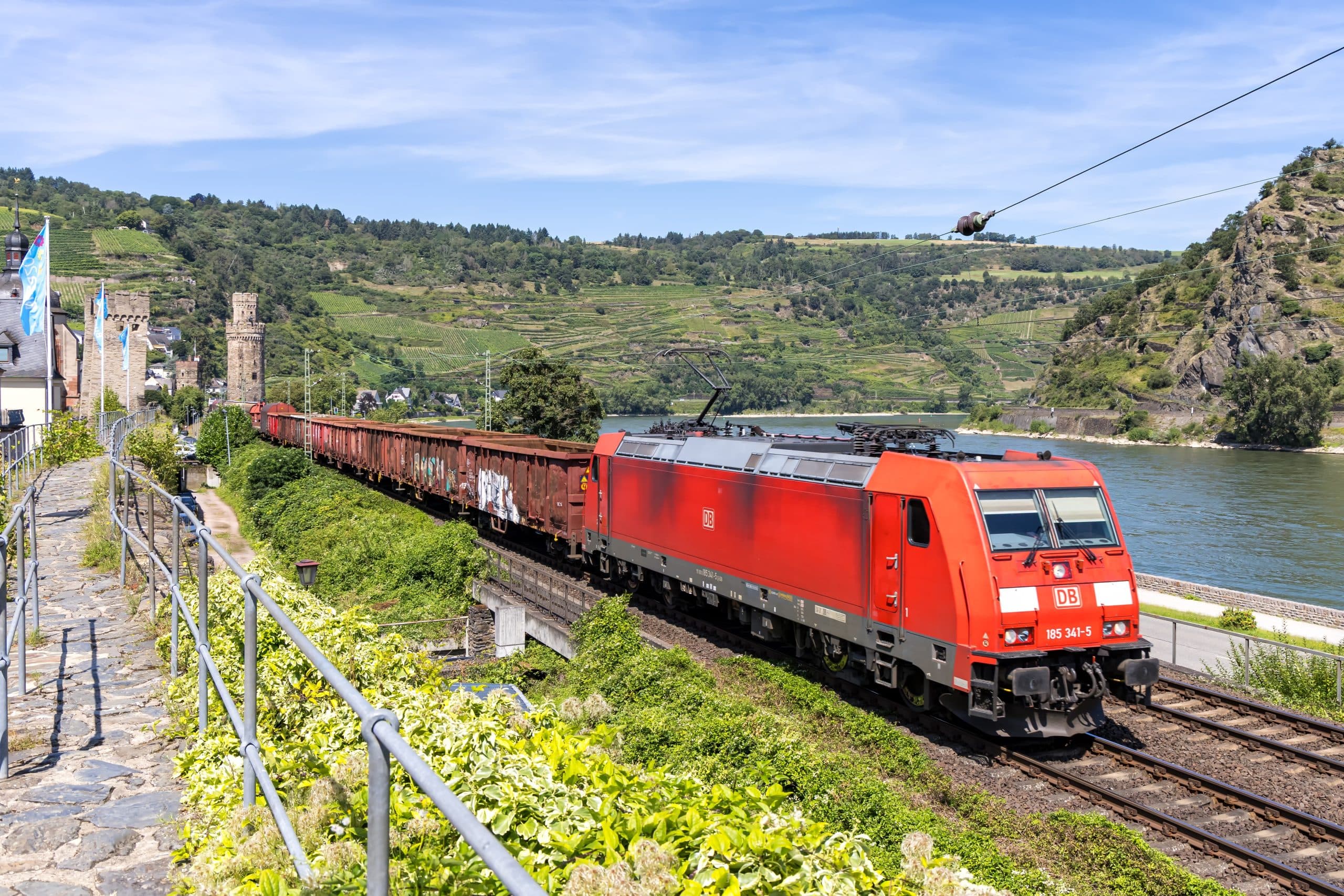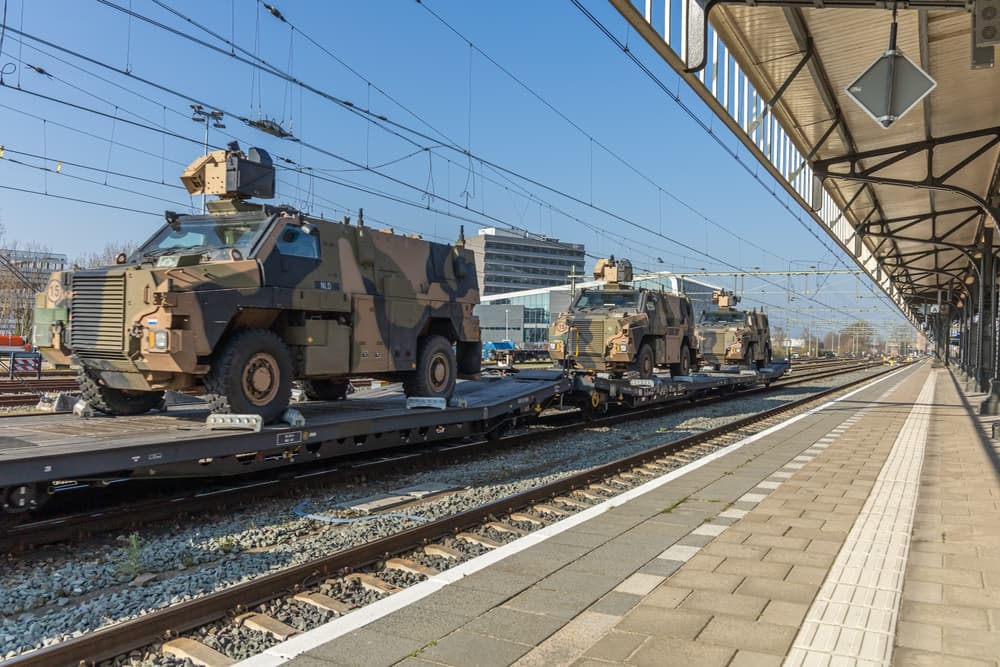
European railcar lessors are urging the European Union to include them more actively in the ongoing discussions surrounding the Military Mobility reform. These lessors, who own a substantial portion of the rail freight fleet, have expressed dissatisfaction with their current level of involvement, despite the reform's potential to significantly affect their assets and operational strategies.
The EU's Military Mobility initiative aims to enhance the movement of military personnel and equipment across Europe, leveraging rail freight as a key component. This includes plans for improved dual-use infrastructure and new defence-related contracts. However, lessors argue that their specialized knowledge in fleet management, maintenance, and capacity allocation is crucial for the successful implementation of these reforms.
For freight forwarders and logistics operators, the exclusion of lessors from these discussions could lead to inefficiencies in future military logistics. Without their input, there is a risk that new infrastructure or operational requirements may not align with existing railcar capabilities or leasing models, potentially causing delays or increased costs for military and dual-use shipments. Forwarders might face challenges in securing appropriate railcar types or capacity if lessor concerns are not addressed early in the planning process.
It remains to be seen how the EU will respond to these calls for greater inclusion. The lessors are pushing for formal representation to ensure that the practical aspects of railcar availability and deployment are adequately considered in the final strategy.