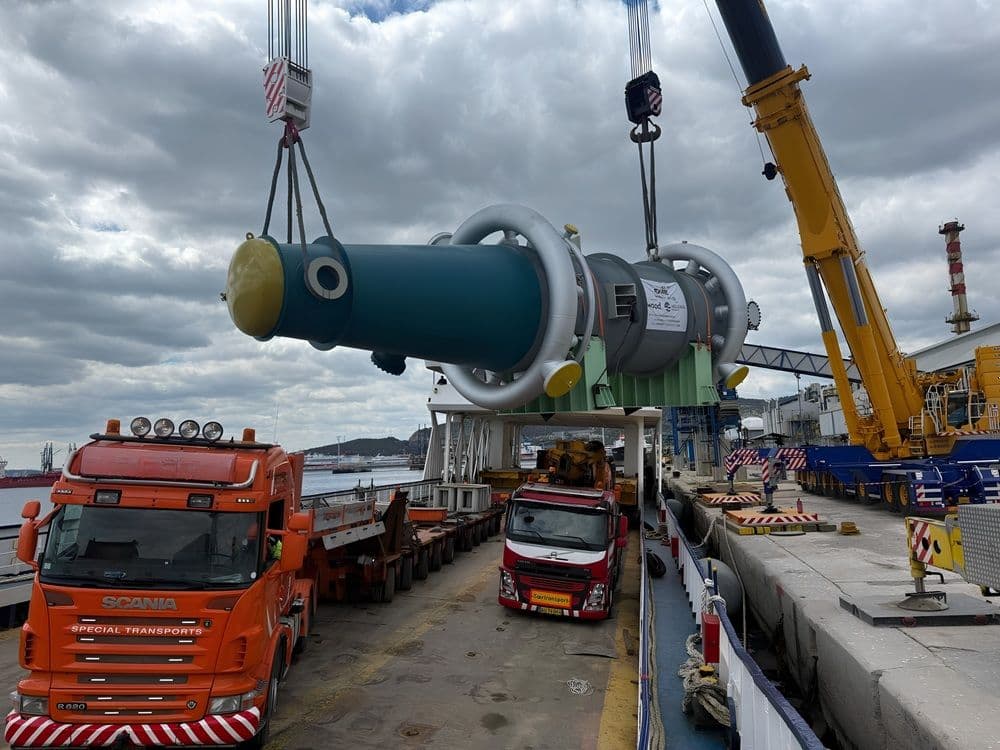
The project cargo sector is currently navigating a complex environment characterized by robust demand for its services, yet simultaneously confronting substantial operational hurdles. A recent industry roundtable highlighted that while the market outlook remains positive, underlying issues such as chronic delays, constrained shipping capacity, and a critical shortage of experienced talent are creating significant challenges.
These factors collectively lead to increased project lead times and complicate the execution of complex logistics operations. For freight forwarders specializing in project cargo, this means heightened pressure on planning and execution. Securing vessel space and specialized equipment is becoming more difficult, potentially leading to higher costs and longer transit times for shippers. The scarcity of skilled professionals also impacts the ability to manage intricate projects, requiring forwarders to invest more in training or face operational bottlenecks.
Addressing these issues will likely require strategic investments in fleet expansion for specialized carriers, improved port infrastructure to handle oversized cargo more efficiently, and concerted efforts to attract and train new talent within the logistics industry. Forwarders should anticipate continued volatility in capacity and pricing for project cargo movements.