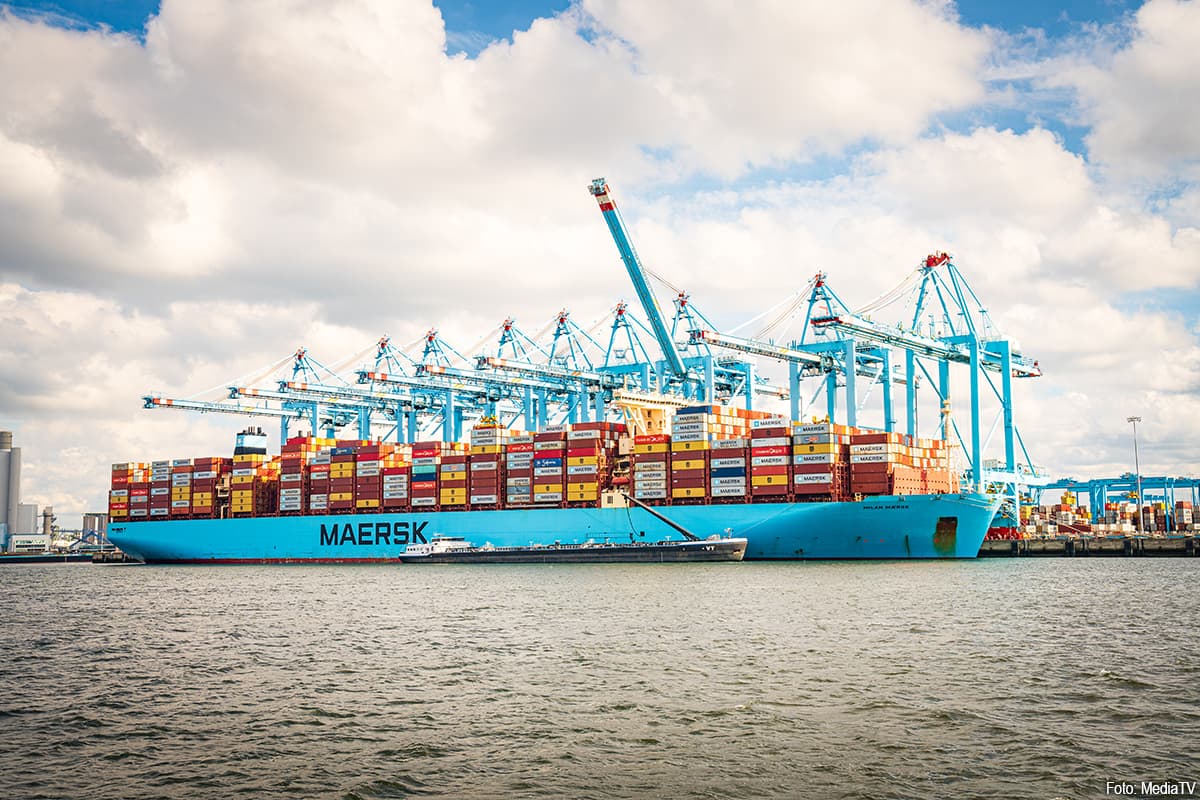
Maersk has confirmed that its vessels operating between the Middle East and the US East Coast will once again utilize the Suez Canal and the Red Sea. This move signifies a continued effort by the Danish container shipping giant to normalize its global shipping network following widespread diversions.
Previously, numerous major shipping lines, including Maersk, had rerouted their vessels around the Cape of Good Hope due to persistent attacks by Houthi rebels in the Red Sea. These disruptions significantly extended transit times and increased operational costs for carriers and shippers alike.
For freight forwarders and operations managers, this development suggests a potential return to more predictable transit times and possibly reduced surcharges on the affected trade lanes. The resumption of Suez Canal transits can lead to shorter lead times for cargo moving between the Middle East and the US East Coast, improving supply chain efficiency. However, the security situation in the Red Sea remains dynamic, and forwarders should continue to monitor carrier advisories for any changes that could impact schedules or introduce new risks.