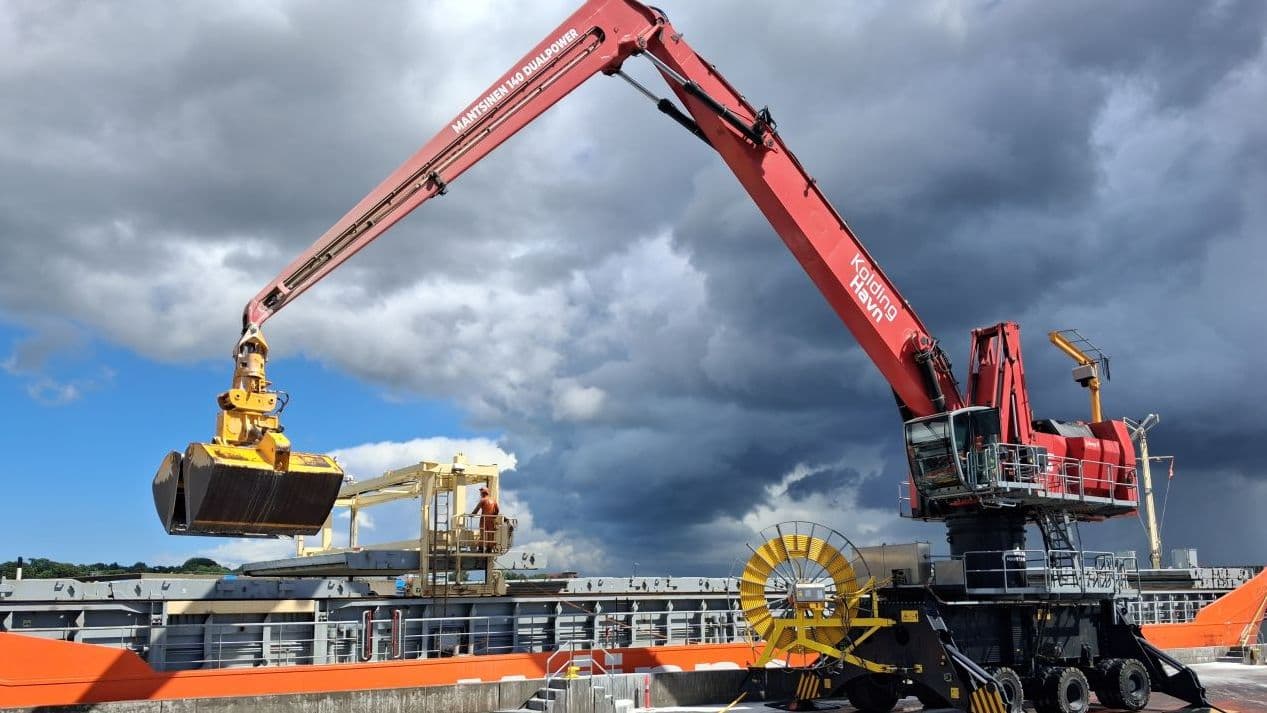
For many decades, port terminals primarily expanded their capabilities by adding more physical assets, such as cranes, yard equipment, and general infrastructure. However, the current challenges and bottlenecks faced by terminals are no longer solely defined by a lack of physical capacity. Instead, operational inefficiencies and complex logistical flows have emerged as the primary constraints.
This shift necessitates a change in strategy, moving away from simply increasing the number of machines or storage areas. The emphasis is now on optimizing existing resources and processes to improve overall throughput and reduce dwell times.
For freight forwarders and their clients, this development means that while physical space might be available, delays can still occur due to inefficient handling, poor data flow, or suboptimal yard management. Improved port efficiency, driven by digitalization and better operational practices, could lead to more predictable schedules, faster cargo turnaround times, and potentially lower demurrage and detention costs. Forwarders should monitor terminals investing in advanced IT and automation solutions, as these are likely to offer better service levels.
The article suggests that the industry must now concentrate on smart solutions and process improvements to unlock greater productivity from existing port infrastructure.