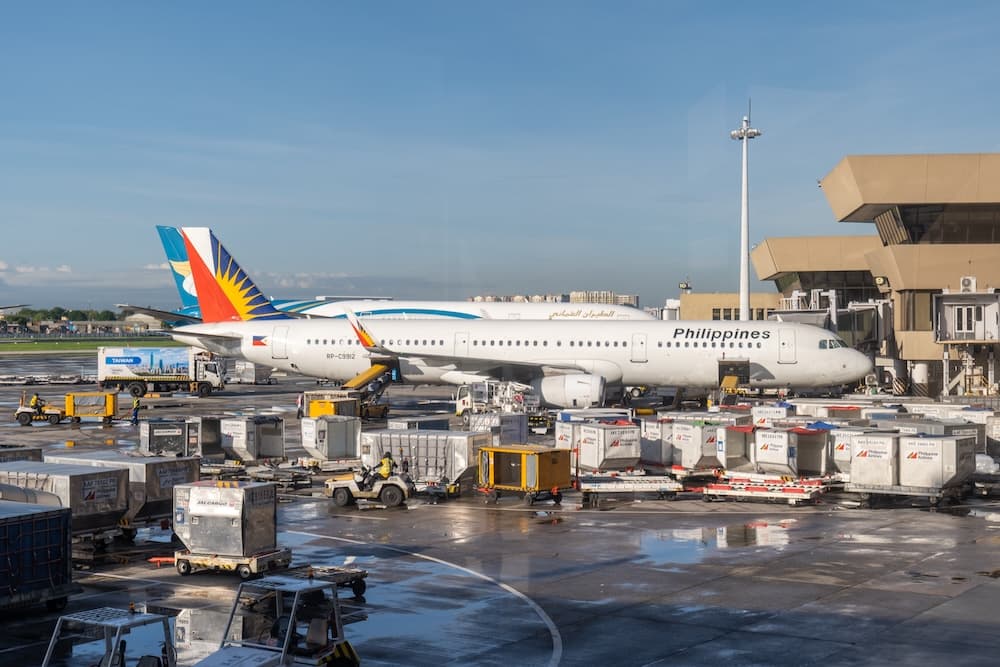
Philippine international air cargo and mail volumes experienced a substantial 16% increase during the first quarter of 2026, totaling 124.457 million kg. This notable growth is largely fueled by accelerated export activity, particularly within the electronics, apparel, and e-commerce supply chains throughout Asia. The airfreight capacity in the region continues to be heavily dependent on passenger airlines, with Philippine Airlines and Cebu Pacific collectively handling over a third of the total traffic.
For freight forwarders and operations managers, this surge indicates a healthy demand environment for air cargo out of the Philippines, especially for high-value and time-sensitive goods like electronics and e-commerce shipments. The reliance on passenger airlines for capacity suggests that disruptions to passenger flights could significantly impact cargo space and rates. Forwarders should monitor passenger flight schedules and load factors to anticipate potential capacity constraints or opportunities. This trend also highlights the growing importance of the Philippines as an export hub within the Asian supply chain, potentially leading to increased competition for space on key trade lanes.