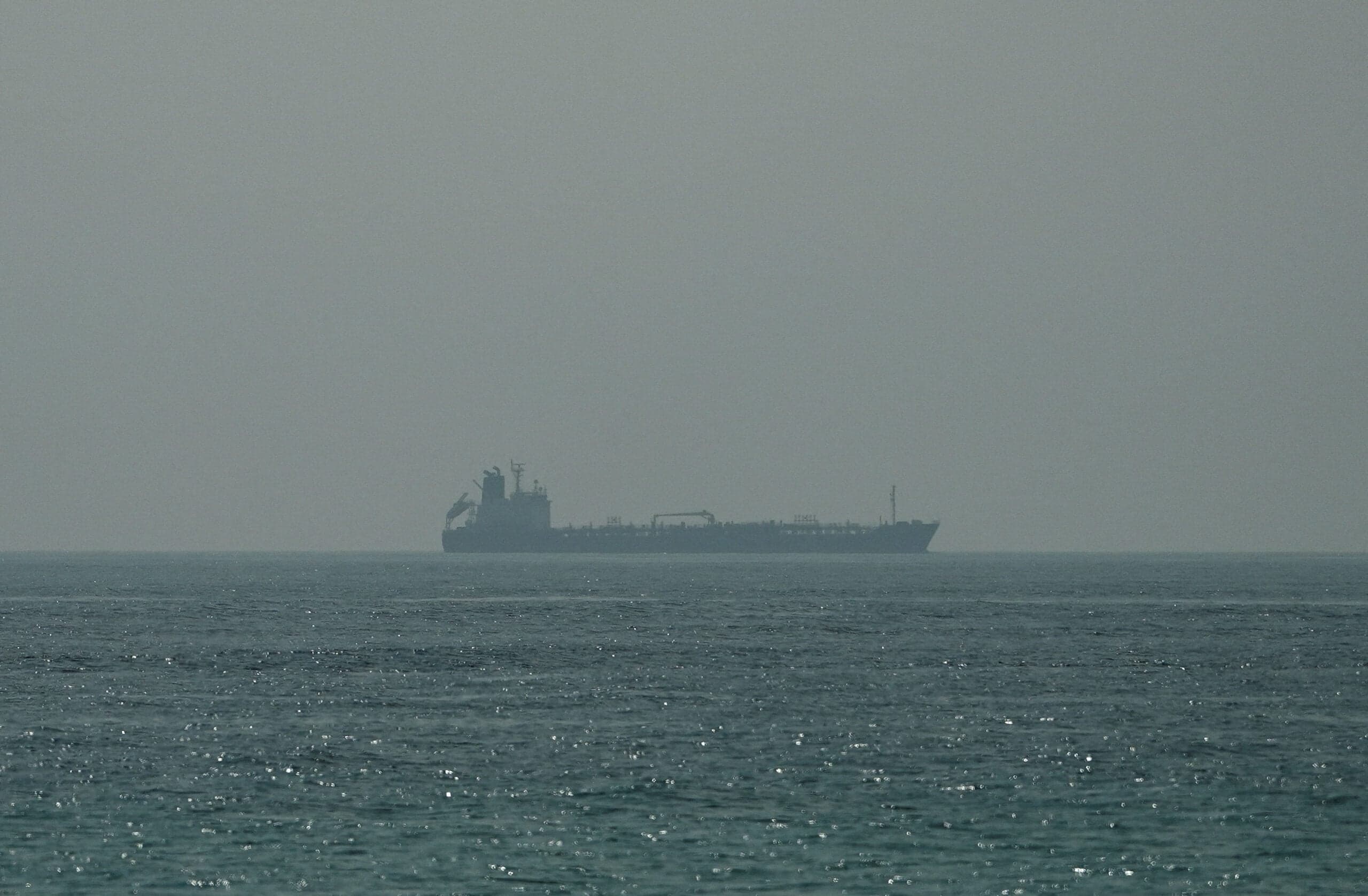
Oil tanker traffic in the Strait of Hormuz experienced a near-complete halt on Thursday, according to recent data and industry sources. This disruption follows a significant escalation in regional tensions, triggered by renewed US airstrikes against Iran, which subsequently led to retaliatory actions by Tehran within the Gulf region.
The Strait of Hormuz is a critical chokepoint for global oil shipments, with a substantial portion of the world's crude oil passing through it daily. The current standstill underscores the fragility of maritime trade routes in politically volatile areas and the immediate impact of geopolitical events on shipping operations.
For freight forwarders and shippers, this situation implies immediate and severe consequences. The cessation of tanker traffic will likely lead to significant delays in crude oil deliveries, potentially impacting global energy markets. Furthermore, the heightened risk in the region is expected to drive up war risk insurance premiums for vessels operating in the Gulf. Forwarders managing shipments in or through the Middle East will need to assess potential rerouting options, which could involve longer transit times and increased fuel costs. The uncertainty also necessitates close monitoring of geopolitical developments and their direct implications for vessel safety and operational planning.
While the source does not specify what actions might follow, the situation remains highly fluid. Continued tensions could lead to prolonged disruptions, affecting supply chain stability for energy and other goods reliant on passage through this vital waterway.