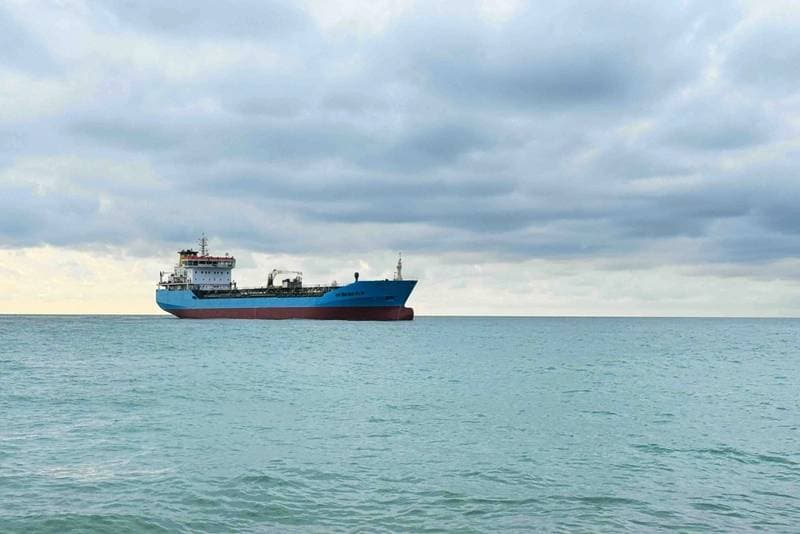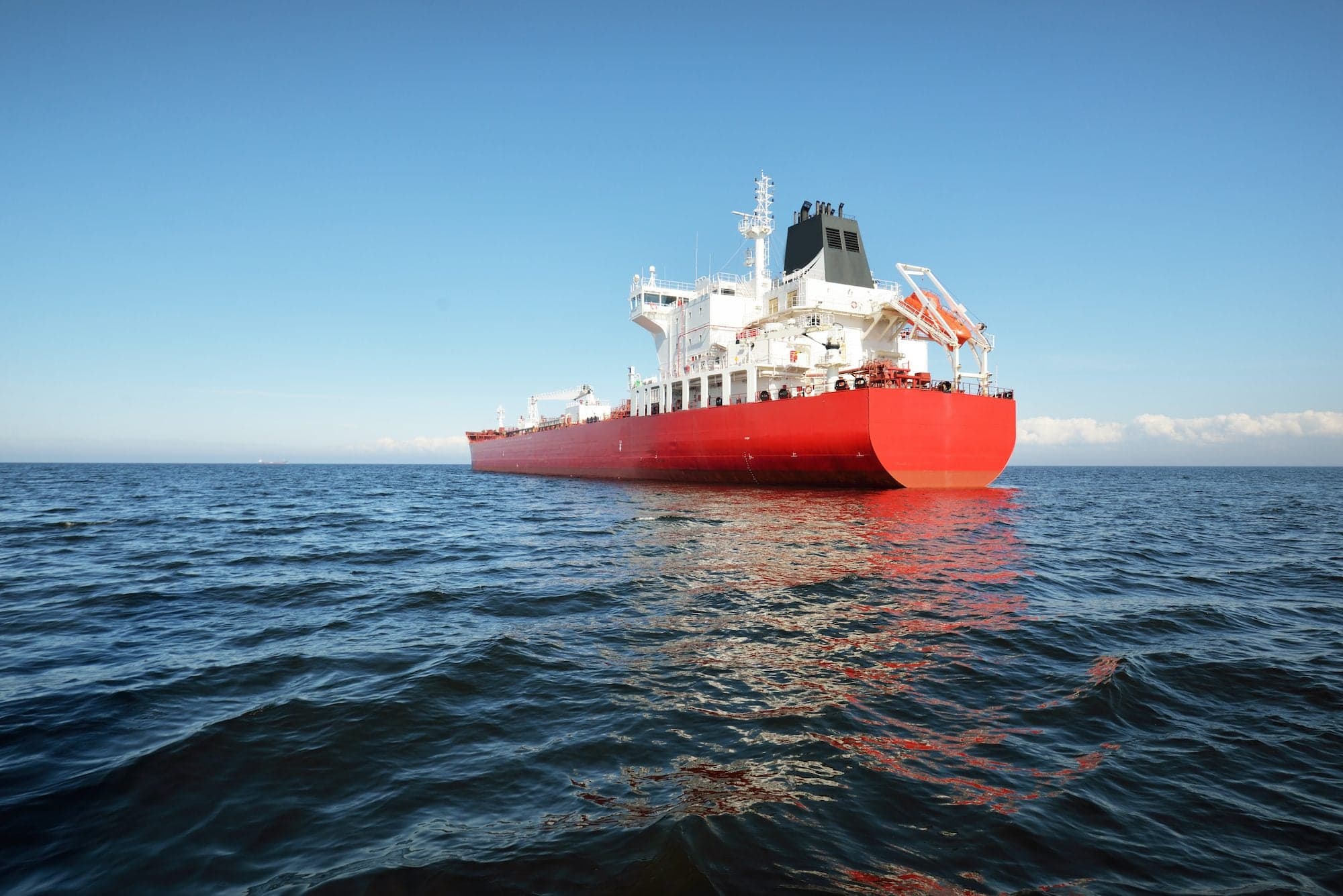
For over 130 days, President Trump has implemented waivers for the Jones Act, which permits foreign-flagged ships to carry cargo between American ports. This move has reignited a long-standing debate about the effectiveness and necessity of the Jones Act, a federal law that mandates all goods transported by water between U.S. ports must be carried on U.S.-built, U.S.-owned, U.S.-crewed, and U.S.-flagged vessels. Supporters of these waivers contend that they offer crucial flexibility, particularly in times of crisis or when domestic shipping capacity is constrained, potentially leading to lower costs for consumers and businesses.
Conversely, opponents of the waivers, including maritime labor unions and domestic shipping companies, argue that such exemptions undermine the core principles of the Jones Act. They assert that the law is vital for safeguarding American maritime jobs, maintaining a robust domestic shipbuilding industry, and ensuring national security by preserving a skilled merchant marine and a fleet of vessels available for defense purposes. The prolonged nature of these waivers raises concerns about their long-term impact on the competitiveness of the U.S. maritime sector.
For freight forwarders and logistics professionals, the implications of these waivers are significant. The temporary allowance for foreign vessels could introduce more capacity and potentially reduce shipping costs for domestic movements, offering alternative routing options and possibly faster transit times if U.S.-flagged capacity is limited. However, it also creates uncertainty and potential instability in the domestic shipping market, making long-term planning more complex. Forwarders might need to assess the availability and cost-effectiveness of both U.S.-flagged and foreign-flagged options for domestic legs, impacting their procurement strategies and client offerings. The situation highlights the delicate balance between economic efficiency and national strategic interests in maritime policy.