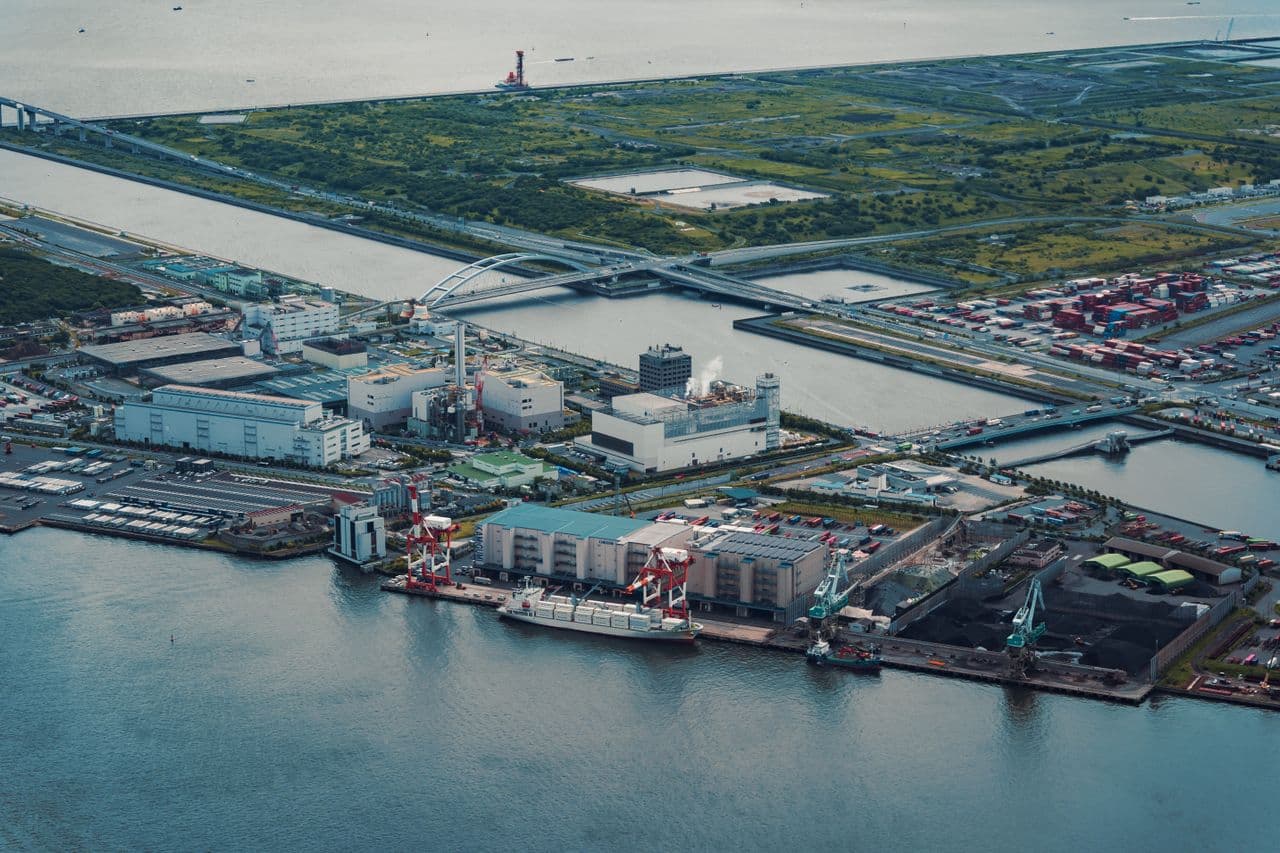
Japan's six largest ports collectively experienced stable cargo throughput in May, with overall volumes remaining unchanged. This equilibrium was primarily due to a 3% rise in imports, which effectively compensated for a concurrent decline in exports. Among these key maritime gateways, the Port of Yokohama demonstrated the strongest performance in terms of growth, while the Port of Kawasaki registered the most significant contraction in container volumes. These figures, released by the transport ministry, highlight a shifting trade dynamic within Japan.
For freight forwarders and operations managers, this data suggests a potential rebalancing of trade flows. While overall volumes are flat, the import surge could indicate sustained domestic demand or inventory restocking. Conversely, the export slump might point to weaker international demand for Japanese goods or supply chain adjustments by manufacturers. Forwarders handling inbound shipments to Japan, particularly through Yokohama, may find more consistent demand and potentially better capacity utilization. Those focused on outbound logistics, especially from Kawasaki, might face reduced volumes and increased competition for cargo, potentially impacting rates and vessel utilization for export lanes.