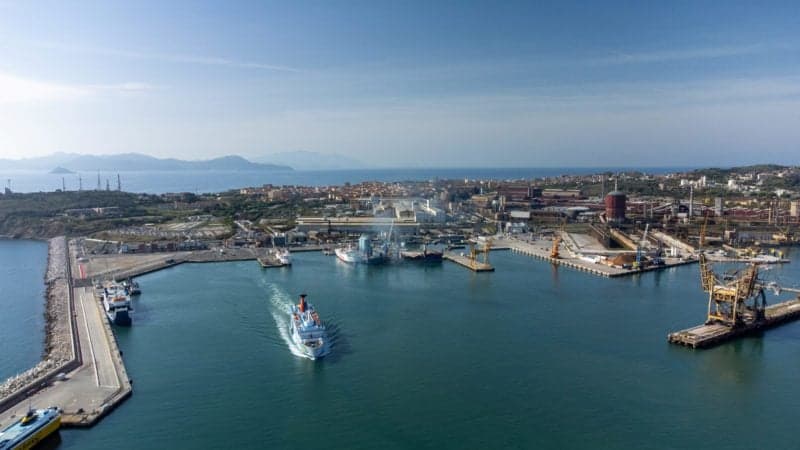
Italy took the lead as Europe's primary importer of liquefied natural gas (LNG) during July. This surge in imports was largely attributed to government incentives designed to encourage traders to maintain their buying activity, even in the face of escalating LNG prices. In contrast, several neighboring European countries adopted a more cautious approach, scaling back their LNG purchases due to the high costs. This divergence in strategy resulted in Italy securing significant volumes while other nations experienced a lag in their natural gas storage levels.
For freight forwarders and operations managers, this development highlights the dynamic nature of energy supply chains and potential shifts in vessel demand. Increased LNG imports into Italy suggest sustained demand for LNG carriers calling at Italian ports. This could influence vessel availability and port congestion in the region, particularly if other European nations eventually increase their imports to replenish storage, creating a more competitive environment for LNG shipping capacity.