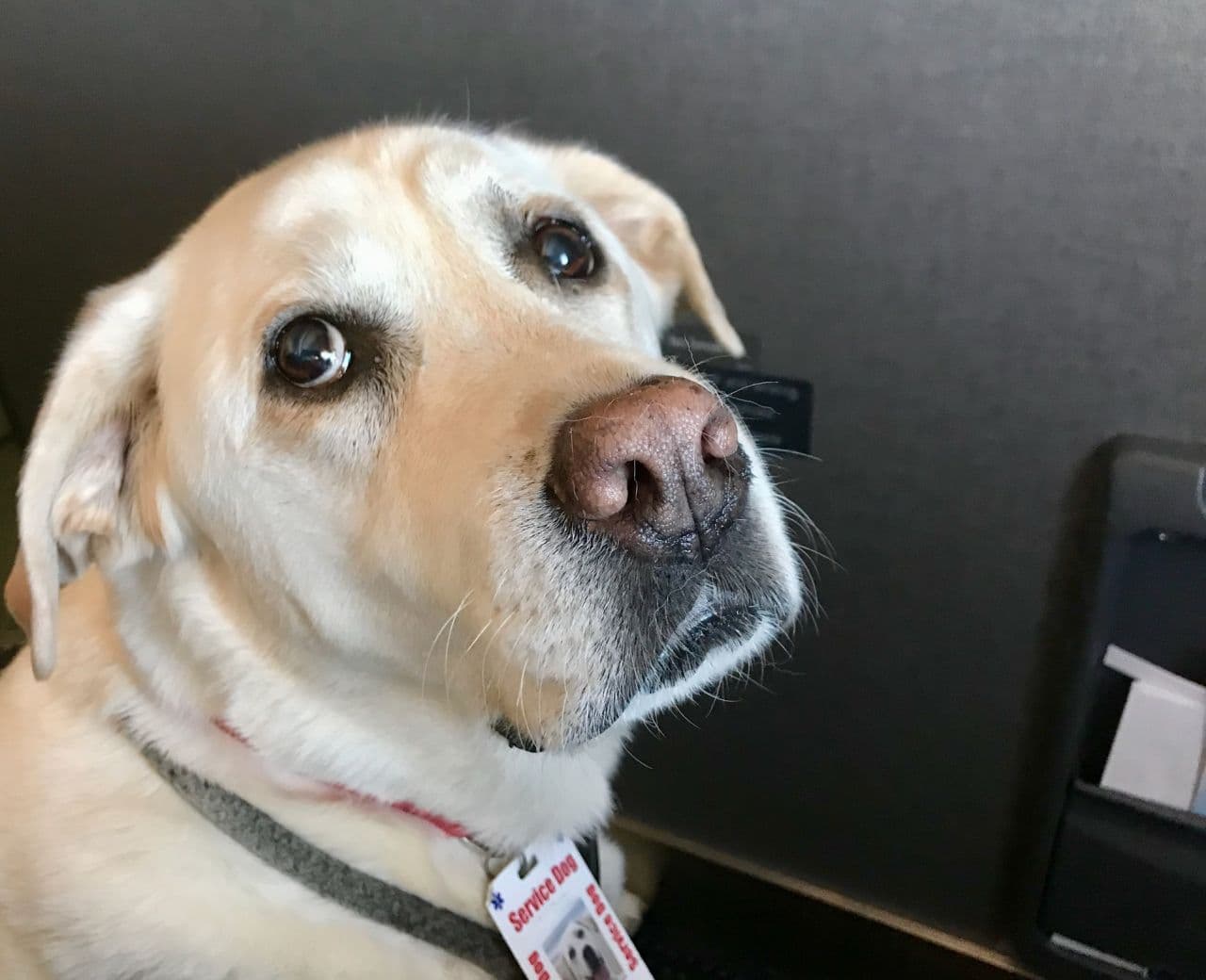
The International Air Transport Association (IATA) has published new guidelines designed to assist airlines in developing more consistent and transparent policies for passengers traveling with service dogs. This guidance specifically aims to differentiate service animals from pets, which are subject to standard animal transport regulations.
The initiative comes in response to a recognized lack of uniformity in how service dogs are defined, documented, and handled across different geographical regions and by various carriers. IATA advocates for greater harmonization of these procedures, emphasizing the need for robust verification processes and comprehensive staff training to ensure proper implementation.
For freight forwarders and logistics professionals, while this guidance primarily impacts passenger services, it underscores a broader trend towards increased regulatory clarity and standardization in animal transport. Although direct cargo operations for live animals (pets, zoo animals, etc.) have established protocols, any improvements in passenger-side animal handling could indirectly influence best practices or future regulatory discussions for specialized cargo, particularly for high-value or sensitive live shipments. Forwarders should monitor such developments for potential ripple effects on documentation or handling requirements for live animal cargo.