The International Air Transport Association (IATA) has released its latest World Air Transport Statistics (WATS) report, highlighting the world's busiest airport pairs for 2025. The report indicates a significant concentration of high-traffic routes within the Asia Pacific region, which accounted for nine of the top ten busiest airport pairs globally. Notably, all ten of these leading routes were domestic.
Jeju–Seoul Gimpo maintained its status as the busiest route worldwide, facilitating 13.3 million passengers. This consistent performance emphasizes the robust demand for domestic air travel, particularly in markets characterized by high frequencies and short-haul connections.
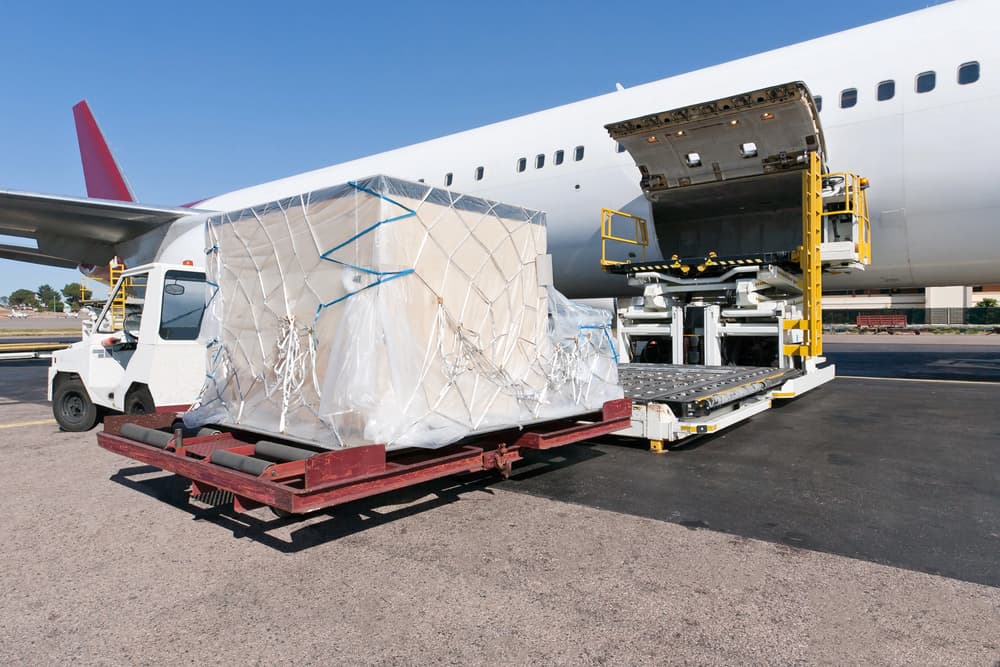
For freight forwarders and logistics professionals, this data primarily reflects passenger traffic trends rather than direct air cargo volumes. However, strong domestic passenger markets can indirectly influence air cargo capacity, especially belly cargo, on these routes. High passenger frequencies might mean more available belly space on certain domestic sectors, though dedicated freighter services typically handle the bulk of air cargo. Forwarders should note that while these routes are busy for passengers, they may not necessarily be primary air cargo lanes, and capacity for cargo would depend on specific aircraft types and operator strategies.