The first half of 2026 saw encouraging news from key players in the aviation sector. GE Aerospace reported substantial growth in commercial engine deliveries, while Airbus continued to expand its A320 Family production capacity. Pratt & Whitney also announced further investments in its GTF engine maintenance network, aiming to strengthen support for its advanced turbofan engines.
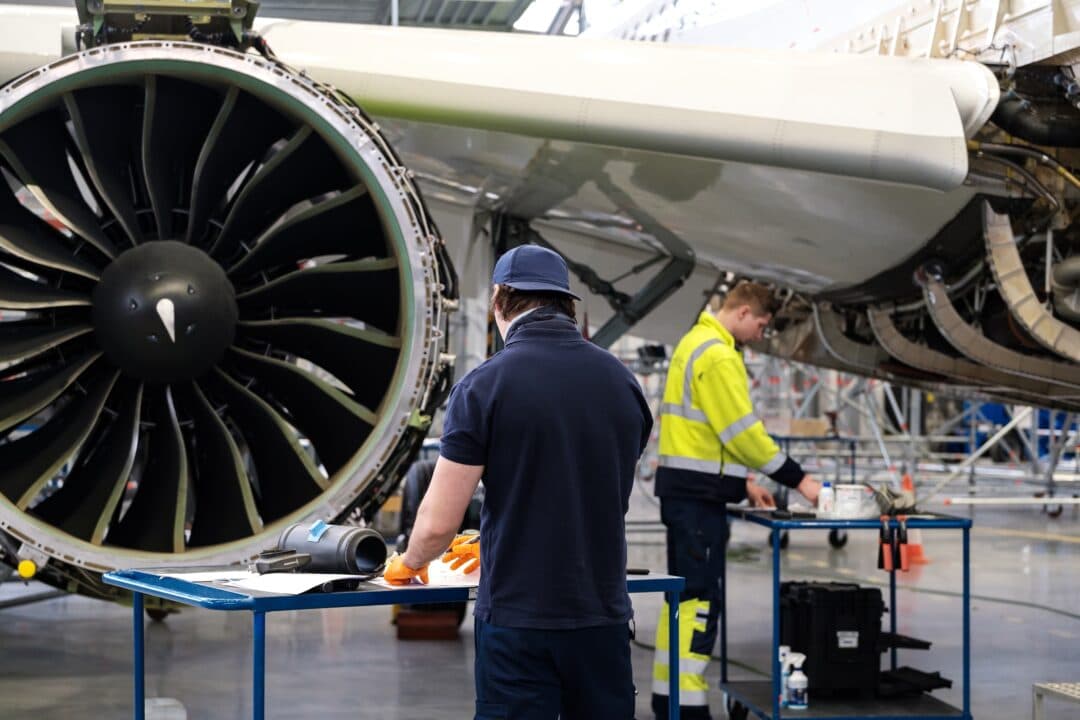
However, these positive developments are overshadowed by persistent challenges in engine maintenance, repair, and overhaul (MRO), alongside broader aerospace supply chain limitations. These bottlenecks are impacting both legacy engine models and newer technologies, creating operational difficulties across the industry. For freight forwarders and air cargo operations managers, these maintenance delays translate directly into reduced aircraft availability and potential disruptions to air cargo capacity. This could lead to increased lead times for spare parts, higher maintenance costs, and ultimately, pressure on air freight rates due to constrained capacity. Forwarders should anticipate potential schedule irregularities and factor in longer transit times for air cargo where affected aircraft types are prevalent.