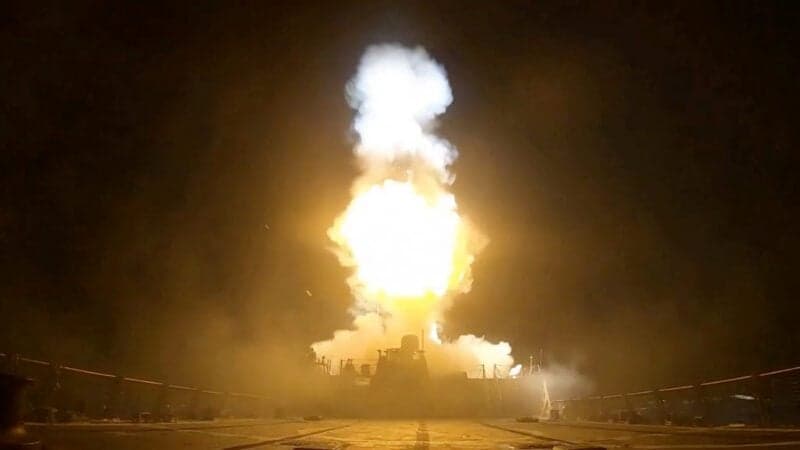
The United States recently carried out attacks on bridges and an airport within Iran. In response, Iran launched strikes against a power and desalination facility located in Kuwait. This series of actions represents a notable escalation in the ongoing conflict between the two countries, as both sides have broadened their targeting strategies to encompass vital infrastructure.
This development introduces increased risk to maritime and air cargo movements in the Middle East. Freight forwarders should anticipate potential disruptions to shipping lanes, port operations, and air routes in the region. The targeting of infrastructure could lead to delays, diversions, and heightened security measures, impacting transit times and operational costs. Furthermore, war risk insurance premiums for vessels operating in the Gulf and surrounding areas may increase significantly, directly affecting shipping expenses for clients.
Forwarders and shippers should closely monitor geopolitical developments and consider alternative routing strategies or increased buffer times for shipments transiting the affected zones. Contingency planning for potential port closures or restrictions on air travel will be crucial to mitigate supply chain interruptions.