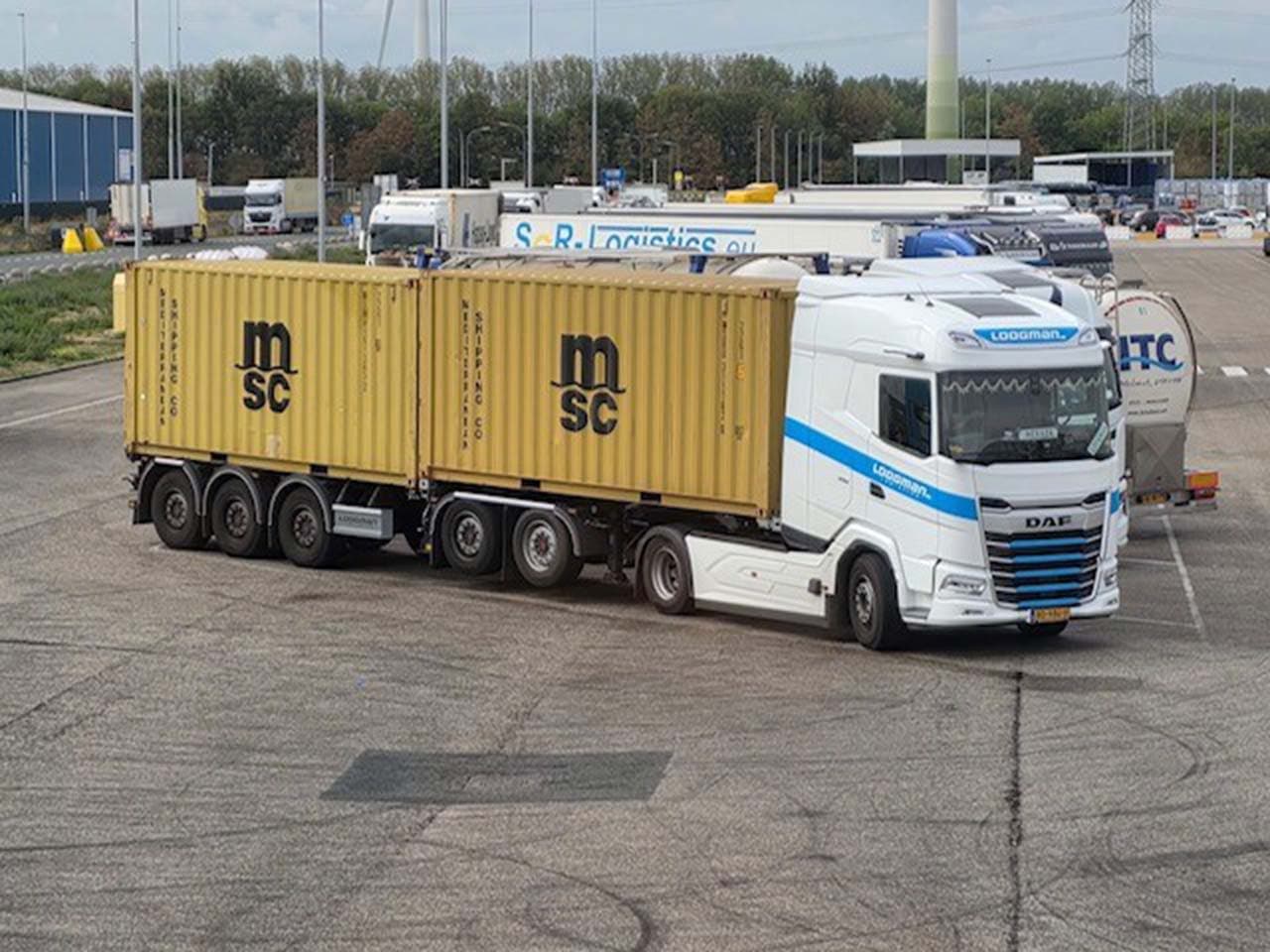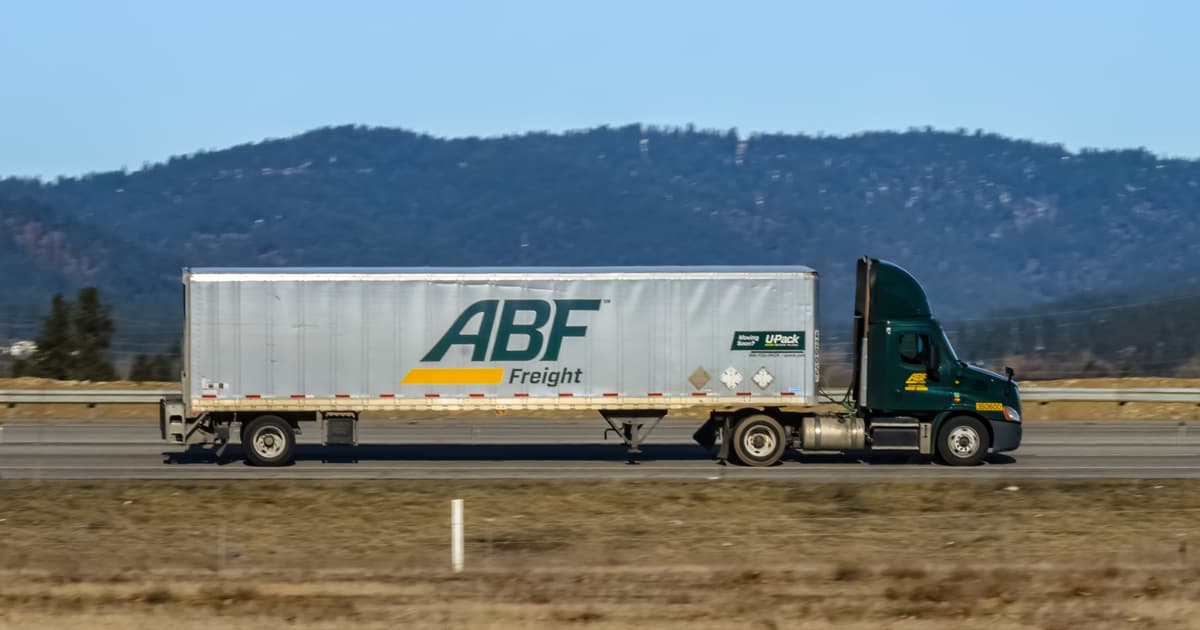
Less-than-truckload (LTL) carriers are observing a significant upswing in their business, characterized by stronger demand, an increase in average shipment weights, and rising freight rates. This positive trend is primarily attributed to a tightening of capacity within the full truckload (TL) market, which is compelling shippers to explore alternative transportation solutions.
The current market conditions are fostering optimism among LTL providers for sustained growth throughout the second half of 2026. The shift in freight volume from truckload to LTL services highlights the interconnectedness of different road freight segments and how capacity constraints in one area can directly benefit another.
For freight forwarders and operations managers, this development signals a potential increase in LTL rates as demand continues to rise. It also implies that securing full truckload capacity might become more challenging and costly. Forwarders should consider adjusting their routing strategies and budgeting for potentially higher LTL expenses, while also leveraging LTL services more frequently for shipments that might traditionally have gone via truckload if capacity were more readily available. Proactive planning and diversification of carrier relationships will be crucial to mitigate impacts.