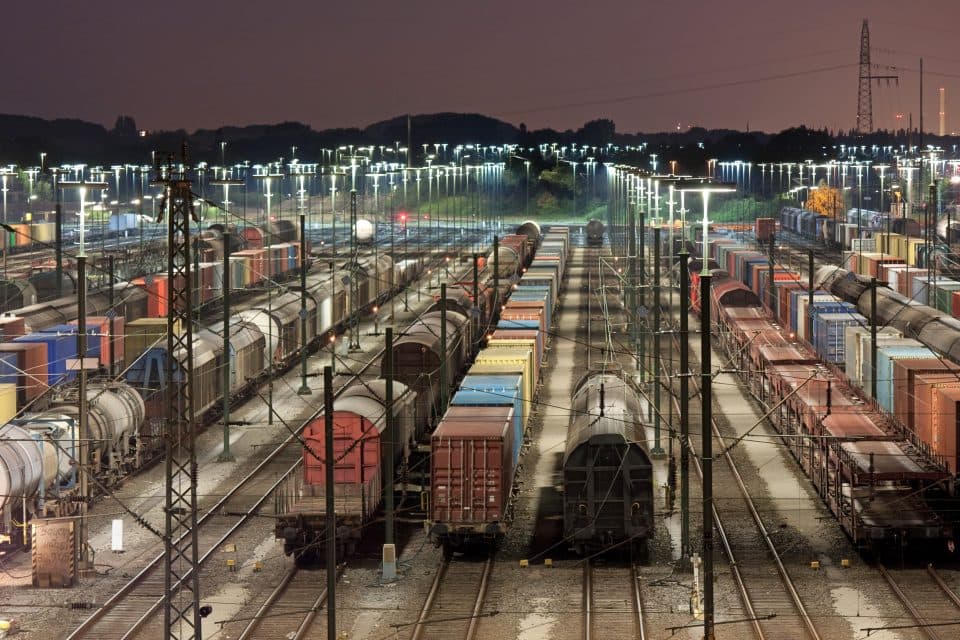
Germany's federal cabinet has endorsed a draft budget that allocates increased funding towards the expansion and development of new rail infrastructure, effective from 2027. This move aims to enhance the overall capacity and modernization of the German rail network. However, the budget simultaneously proposes a reduction in subsidies for freight train track access. This change implies that rail freight operators will face higher costs for utilizing the rail network.
For freight forwarders and logistics managers, this development presents a mixed outlook. While the long-term investment in infrastructure could lead to improved network reliability and potentially faster transit times once projects are completed, the immediate impact of reduced track access support will likely be increased operational expenses for rail freight services. This could translate into higher freight rates for shippers using rail transport within Germany or for cross-border movements passing through the country. Forwarders should anticipate potential adjustments in pricing from rail carriers and factor these into their budgeting and route planning. The shift also underscores a potential rebalancing of financial incentives within the German rail sector, favoring infrastructure development over direct operational cost relief for freight.