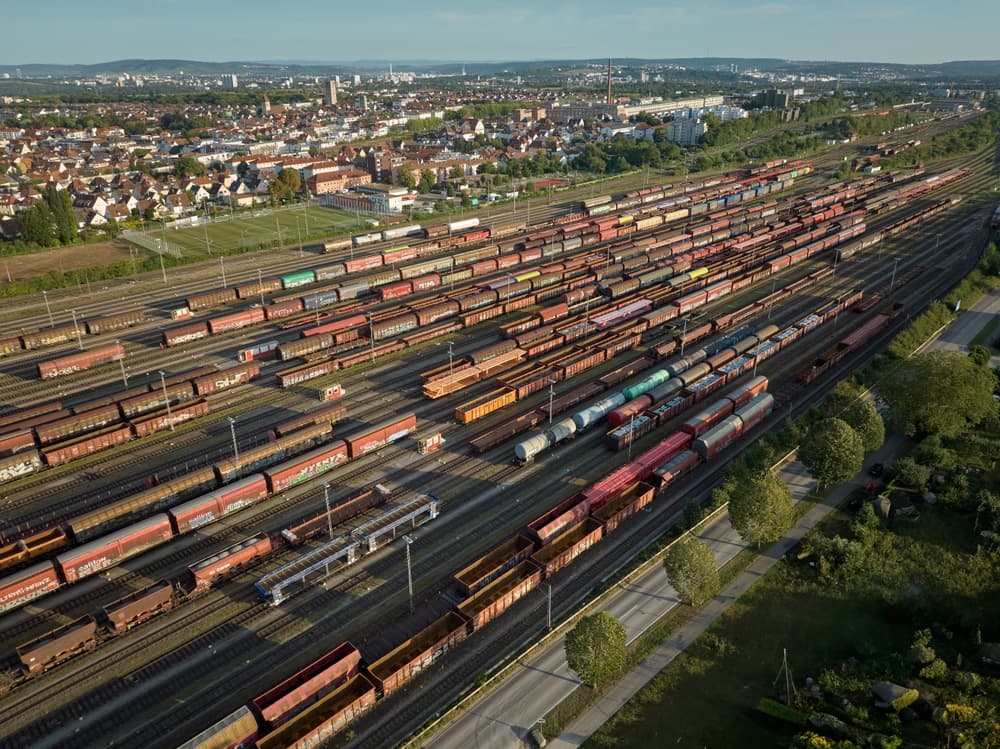
The European Union Agency for Railways (ERA) has released its latest safety and interoperability report, which presents a concerning outlook for rail freight within Europe. While passenger rail services are showing signs of recovery, the freight sector continues to experience "long-term stagnation." Key issues identified include persistent bottlenecks within the network and weaker performance in cross-border operations, leading to significant delays.
For freight forwarders and operations managers, these findings suggest continued challenges in utilizing European rail networks for timely cargo delivery. The reported stagnation and bottlenecks can translate into unpredictable transit times, increased costs due to demurrage or rerouting, and reduced reliability for intermodal shipments. Cross-border delays specifically impact supply chain efficiency, making it harder to plan and execute seamless movements across different national rail systems. This situation may prompt shippers to reconsider rail for time-sensitive cargo or to allocate additional buffer time in their schedules.
The report underscores the need for targeted investments and policy interventions to improve rail freight infrastructure and operational coordination across national borders. Without these improvements, rail's potential to absorb more freight volume and contribute to decarbonization goals may remain unfulfilled.