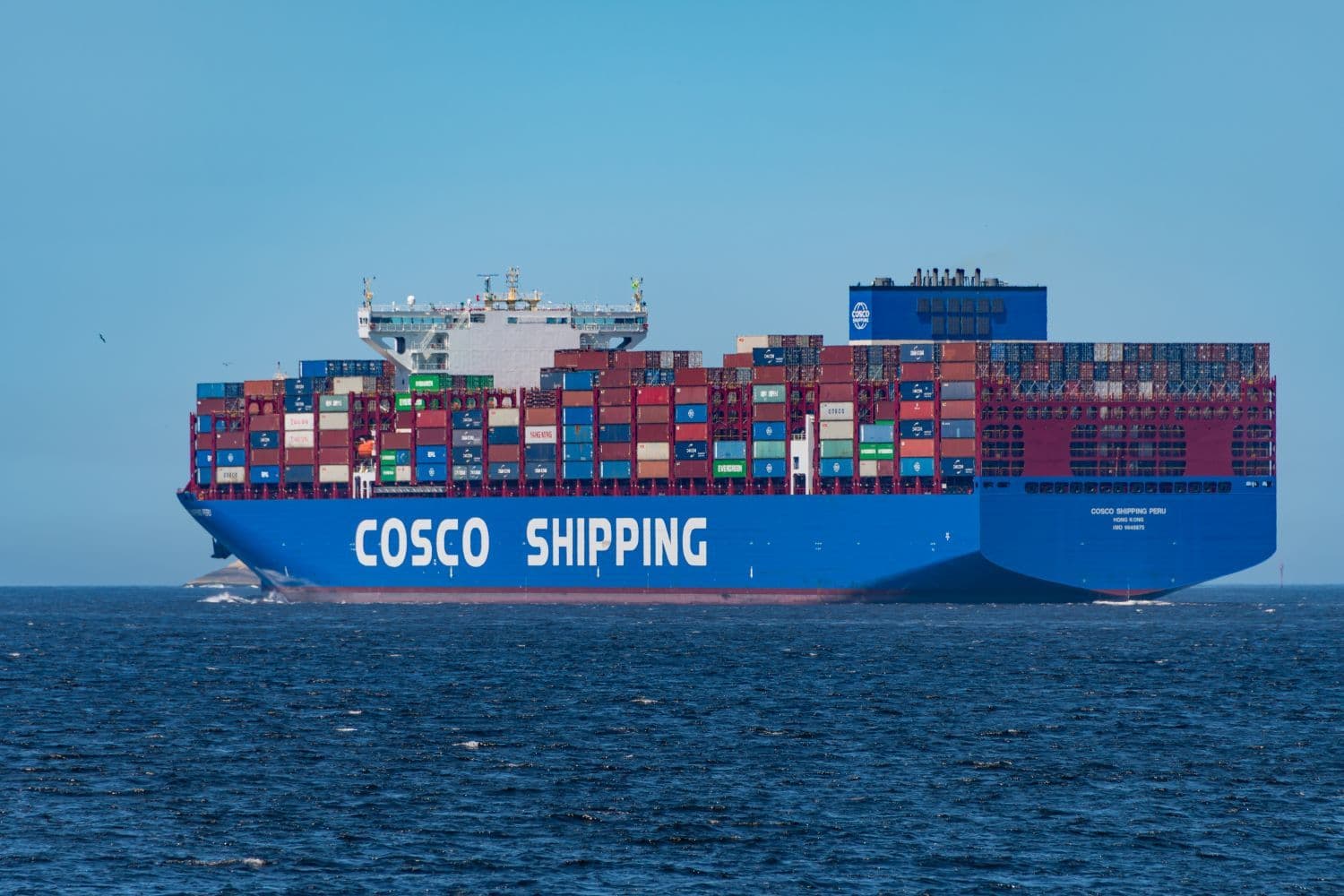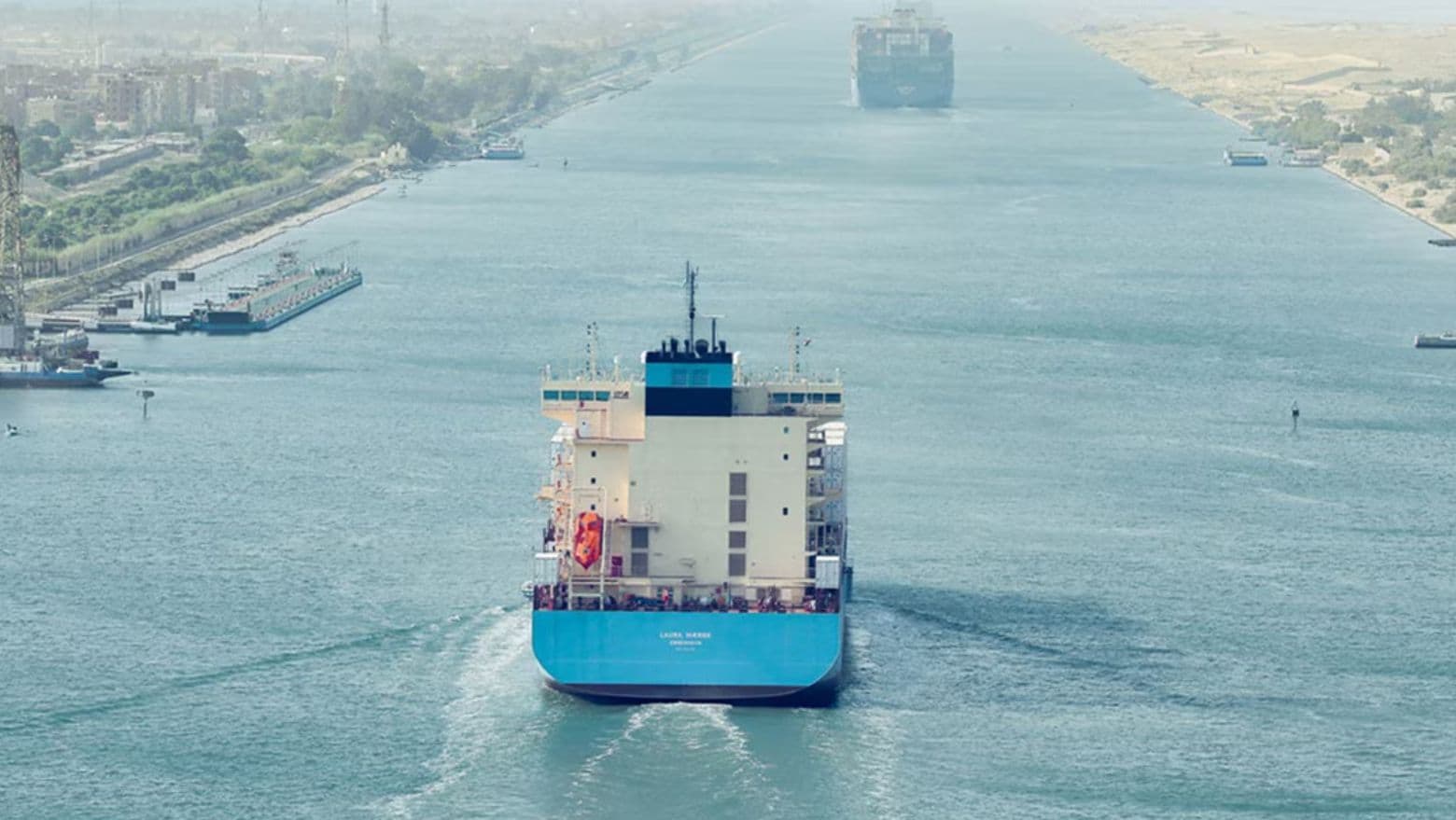
The Gemini Cooperation, a new alliance between Maersk and Hapag-Lloyd, has started a phased reintroduction of its vessels to the Suez Canal and Red Sea shipping lanes. This move signifies a strategic adjustment in their operational network, following extensive diversions around the Cape of Good Hope due to security concerns in the region.
This decision comes after a period where numerous carriers rerouted vessels to avoid potential attacks in the Red Sea, leading to longer transit times and increased fuel costs. The shift back to the Suez Canal indicates a calculated risk assessment by the alliance, balancing operational efficiency with security considerations.
For freight forwarders and shippers, this development could lead to improved schedule reliability and potentially shorter transit times for cargo moving between Asia and Europe. A more direct routing via the Suez Canal typically reduces voyage duration compared to the Cape of Good Hope alternative, which might alleviate some pressure on vessel capacity and lead to more predictable arrival times. However, the explicit mention of contingency plans to revert to Africa routes underscores the continued instability in the Red Sea. Forwarders should remain vigilant regarding potential disruptions and be prepared for sudden changes in routing, which could impact lead times and rates. War risk premiums for insurance may also remain a factor, influencing overall shipping costs.
The alliance has described this as a "structural change" to their network, suggesting a long-term intention to utilize the Suez route. Nevertheless, the readiness to revert to the Cape of Good Hope routing emphasizes that the security situation in the Red Sea remains fluid and subject to rapid changes. Further monitoring of geopolitical developments and carrier advisories will be crucial for supply chain planning.