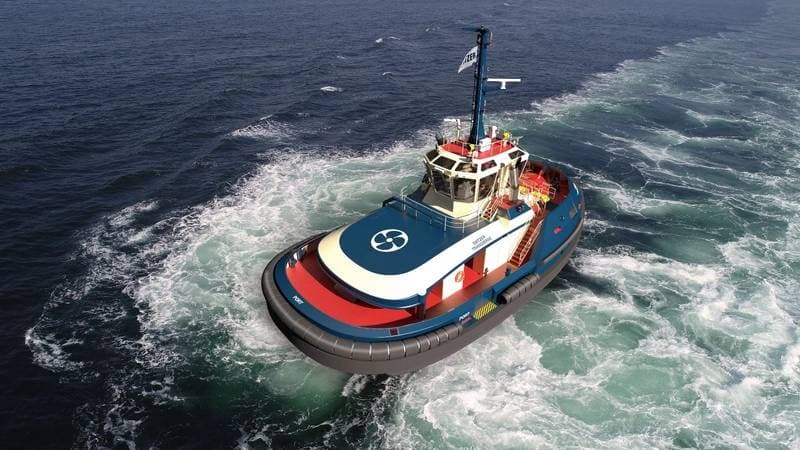
China is significantly accelerating the deployment of electric ships, moving beyond experimental phases to large-scale commercial operations. Data from the International Council on Clean Transportation indicates that China had more than 440 electric vessels in service by the close of 2024, demonstrating a rapid adoption rate unmatched globally. While ferries initially dominated this segment, the focus is increasingly shifting towards cargo vessels.
This aggressive push into electric shipbuilding aligns with China's broader environmental goals and its strategy to lead in green technologies. The country's robust manufacturing capabilities and government support for sustainable initiatives are key drivers behind this rapid expansion.
For freight forwarders and shippers, the growing electric fleet in China signals a shift towards more sustainable short-sea and inland waterway transport options. This could lead to reduced emissions in specific legs of the supply chain, potentially influencing carrier selection for environmentally conscious cargo. While the immediate impact on global deep-sea rates is limited, it indicates a future trend in vessel technology that could eventually affect port operations and bunkering infrastructure.
Looking ahead, continued investment in battery technology and charging infrastructure will be crucial for sustaining this growth. Other nations may look to China's model for scaling electric vessel adoption.