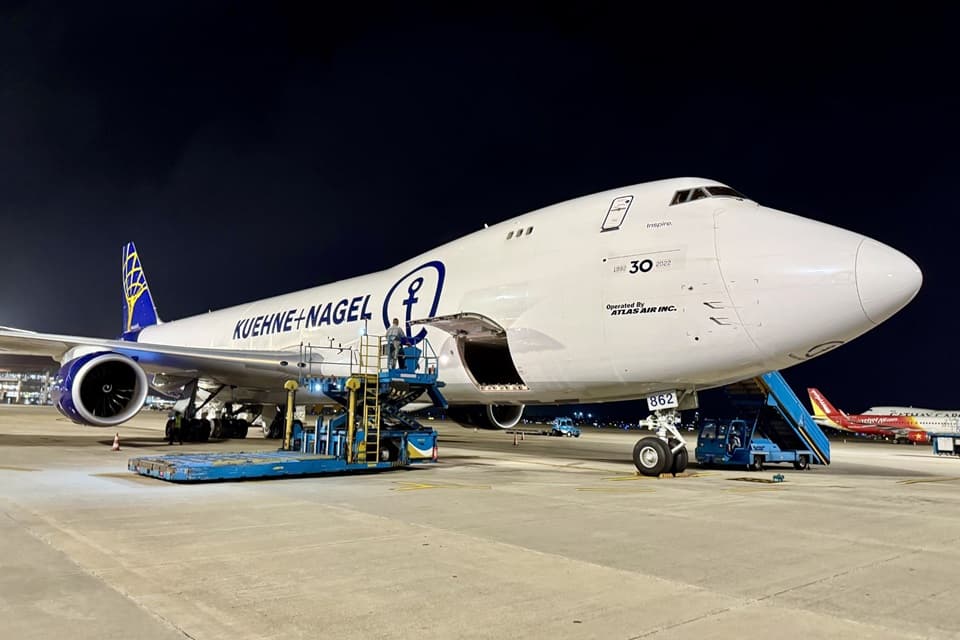
Kuehne+Nagel successfully retained its status as the world's largest airfreight forwarder during a period marked by considerable market fluctuations. The past year presented a challenging landscape for major air cargo logistics providers, influenced by shifting trade tariffs that necessitated supply chain reconfigurations and notable consolidation activities within the industry.
For freight forwarders and operations managers, this indicates a continuous need for adaptability in strategy and network management. The impact of tariff changes can lead to altered routing decisions and potentially affect air cargo capacity and rates on specific trade lanes. Furthermore, ongoing consolidation among forwarders might lead to shifts in market share and service offerings, requiring forwarders to reassess partnerships and competitive positioning. Despite these pressures, the market also offered substantial growth avenues, suggesting that agile and well-positioned forwarders could capitalize on emerging demands.
Looking ahead, the airfreight sector is expected to remain dynamic. Forwarders will need to closely monitor geopolitical developments, evolving trade policies, and further industry M&A to anticipate impacts on capacity, pricing, and operational efficiency.