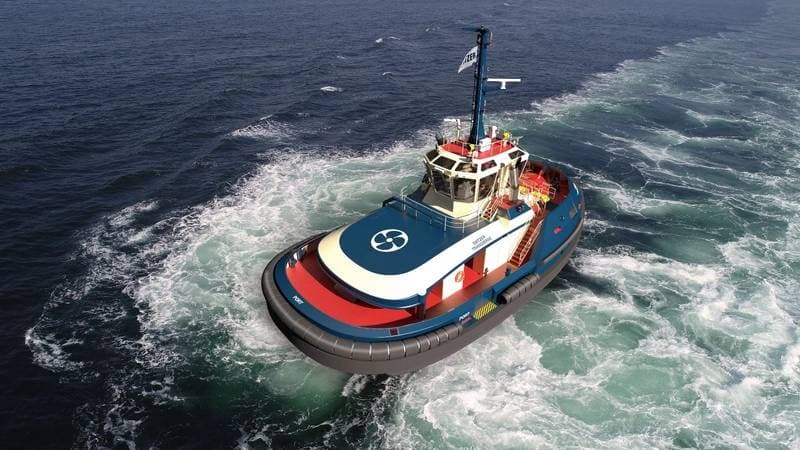
China has officially launched its first zero-carbon sea-river container corridor, marking a significant step towards sustainable logistics in the region. This new corridor employs pure electric vessels that integrate swappable battery technology and shore power capabilities. The primary goal of this initiative is to create a replicable model for low-carbon logistics, specifically targeting foreign trade operations within the Yangtze River Delta.
For freight forwarders and operations managers, this development signals a potential shift towards greener inland and coastal shipping options in China. While immediate widespread impact on global supply chains may be limited, it represents an important pilot for decarbonization efforts. Forwarders handling cargo in the Yangtze River Delta might see new, environmentally friendly routing possibilities emerge, potentially influencing carrier selection and compliance with sustainability mandates from shippers. The reliance on swappable batteries suggests a focus on operational efficiency and quick turnaround times, which could benefit transit schedules once scaled.