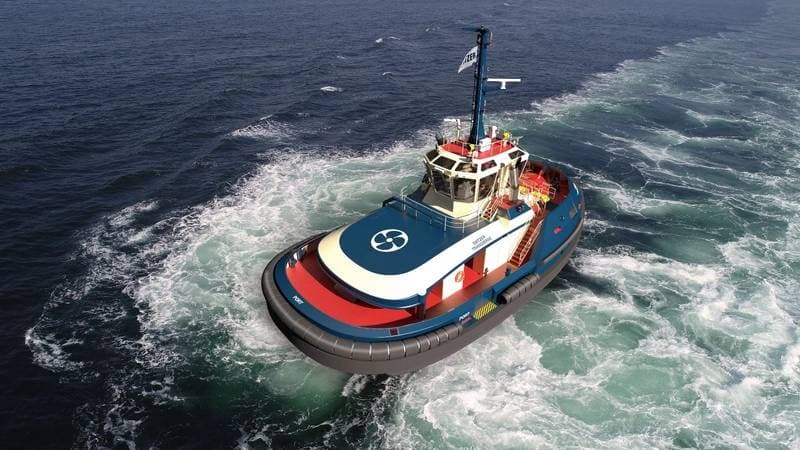
China is embarking on a significant initiative to electrify its extensive inland waterway network, mirroring its successful transition in electric road vehicles. This strategic shift aims to decarbonize a crucial segment of its logistics infrastructure, which includes major rivers and canals. The move follows China's achievement in 2025, becoming the first large market to have over 50% electric vehicle sales for new vehicles, indicating a mature market for EV adoption.
For freight forwarders and operations managers, this development signals a future where inland transport in China could become significantly greener, potentially impacting supply chain emissions reporting and compliance. While immediate impacts on rates or capacity are not yet clear, the long-term trend suggests a move towards more sustainable inland logistics options. Forwarders may need to consider new types of barges and vessels, as well as the availability of charging infrastructure, when planning routes and transit times within China's interior.
This electrification push is expected to continue, with potential for new regulations and incentives to accelerate the adoption of electric vessels on China's inland waterways. Stakeholders should monitor policy developments and infrastructure investments in this area.