The European Parliament recently approved its preferred changes to the European Commission's draft Military Mobility regulations. This initiative aims to enhance the seamless movement of military personnel and equipment across the EU, particularly by improving infrastructure and harmonizing procedures. However, the proposed reform encounters five critical "fault lines" that could significantly impact its implementation and the broader freight sector.
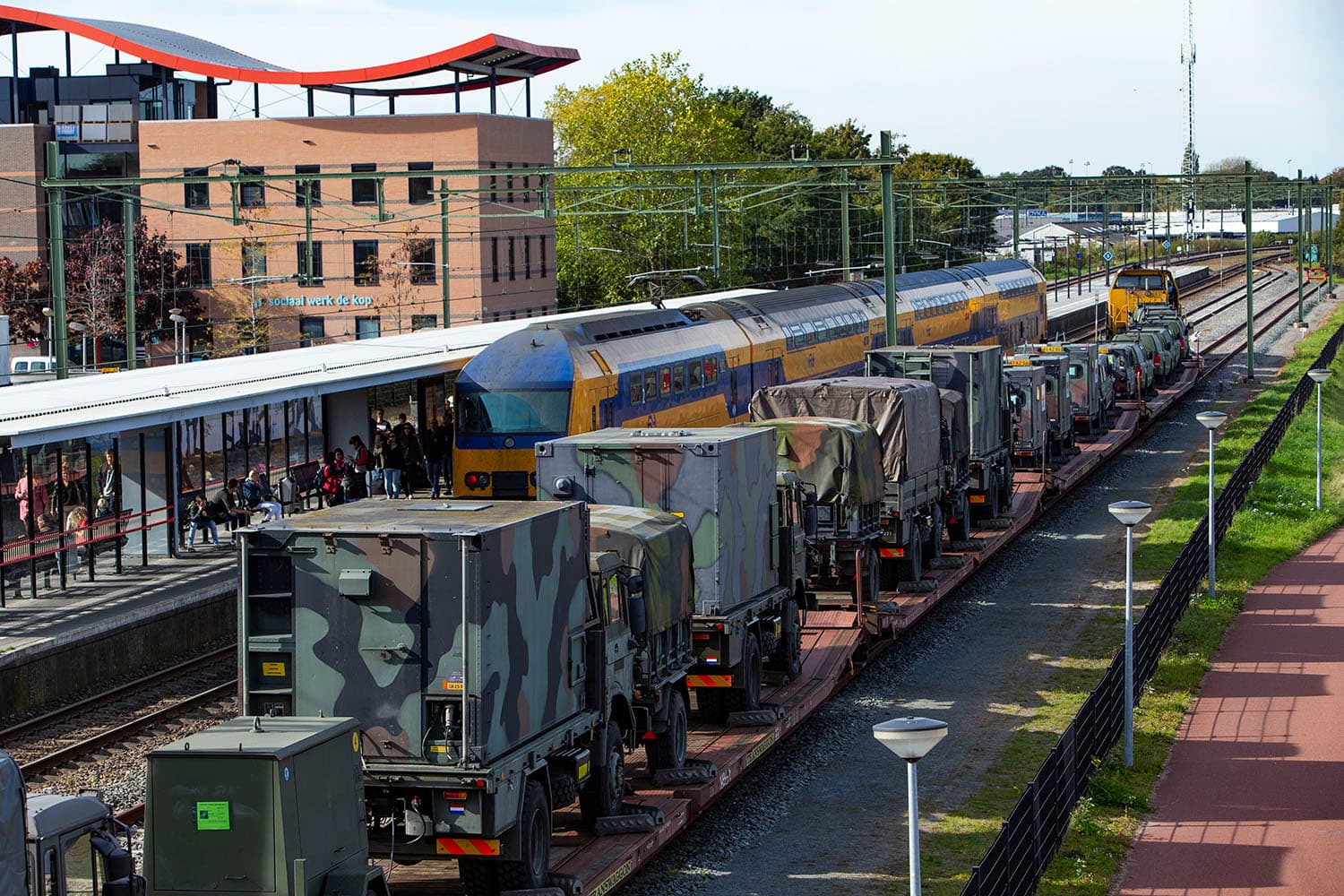
Key challenges include the varying technical specifications of rail networks across different EU member states, which can impede the efficient transport of heavy military equipment. Furthermore, the availability of suitable rolling stock, such as specialized wagons for oversized or heavy-lift cargo, remains a concern. Regulatory hurdles, including differing national customs procedures and transport permits, also pose obstacles to rapid deployment. Funding for necessary infrastructure upgrades, such as strengthening bridges and tunnels for heavier loads, is another major point of contention. Finally, the coordination between military logistics and commercial freight operations on shared infrastructure presents complex scheduling and capacity management issues.
For freight forwarders and logistics operators, these challenges mean potential disruptions and increased complexity, especially for cross-border movements within the EU. The need for specialized equipment and adherence to diverse national regulations could lead to higher operational costs and longer transit times. Forwarders handling project cargo or oversized shipments may find their existing routes and permits insufficient for military-grade requirements, potentially necessitating new compliance frameworks and infrastructure assessments. The reform's success will depend on how effectively these "fault lines" are addressed, which could either create new opportunities for specialized logistics providers or impose additional burdens on general freight operations.
Future developments will likely involve ongoing negotiations between the European Parliament, the Commission, and member states to reconcile these differing views and find practical solutions for infrastructure investment, regulatory harmonization, and operational coordination.