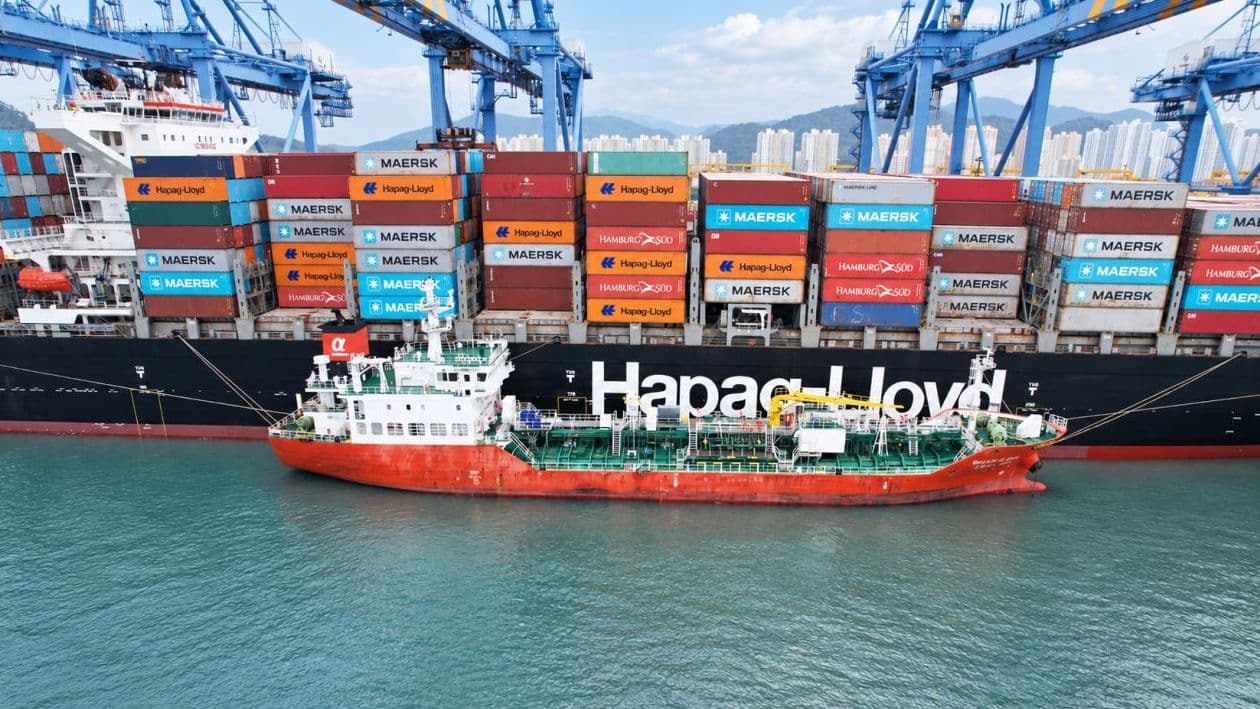
The European Commission has unveiled its updated proposal for the EU Emissions Trading System (ETS) as it applies to the maritime sector. This revision is a strategic effort to reconcile the EU's ambitious decarbonization targets with the need to maintain the industrial competitiveness of its ports and terminals. The core objective of the ETS reform, including the specific adjustments for maritime, is to prevent carbon leakage, where shipping activities might shift to non-EU ports to avoid emissions costs.
For freight forwarders and logistics professionals, this proposal carries significant implications. The introduction of ETS costs will likely translate into higher operational expenses for carriers calling at EU ports, which could be passed on to shippers through increased freight rates or surcharges. Forwarders will need to monitor these developments closely to understand the potential impact on their supply chain costs and to advise clients on strategies to mitigate these additional expenses. The risk of carbon leakage means that some carriers might opt for non-EU transshipment hubs, potentially altering established routing patterns and transit times for cargo destined for or originating from Europe. This could lead to adjustments in network planning and port selection for forwarders.
The next steps involve detailed discussions and potential amendments to the proposal by EU member states and the European Parliament. The final adopted text will determine the exact mechanisms and timelines for ETS implementation in the maritime sector, shaping the future cost structure and operational landscape for shipping within and to the EU.