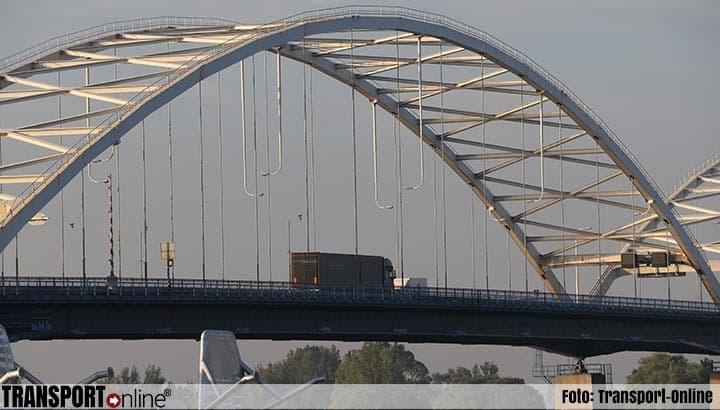
The sudden closure of the Merwedebrug to heavy goods vehicles serves as a stark reminder of the vulnerabilities within the Netherlands' infrastructure network, as stated by Transport en Logistiek Nederland (TLN). This incident, which necessitated immediate restrictions for freight traffic, demonstrates a broader issue of insufficient structural investment in the upkeep, maintenance, and replacement of vital transportation assets.
TLN has consistently advocated for increased government spending on infrastructure. The organization emphasizes that without a long-term commitment to funding these areas, similar disruptions are likely to recur, posing ongoing challenges to the national logistics sector.
For freight forwarders and logistics operators, the closure of key infrastructure like the Merwedebrug means potential re-routing, increased transit times, and higher operational costs. This can lead to delays in delivery schedules and impact supply chain efficiency, particularly for time-sensitive cargo. Forwarders must adapt quickly to such unforeseen events, often requiring dynamic planning and communication with clients to manage expectations and mitigate impacts.