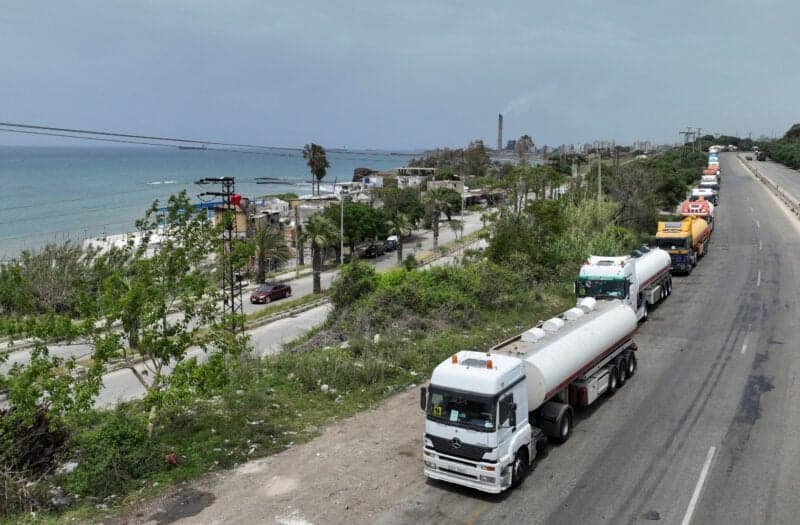
Iraq has initiated a large-scale operation to transport fuel oil using thousands of trucks through Syria, effectively creating an alternative export route. This move is a direct response to ongoing geopolitical instability and the perceived vulnerability of the Strait of Hormuz, a vital maritime chokepoint for global oil shipments.
Historically, Iraq's oil exports have predominantly relied on sea routes through the Persian Gulf and the Strait of Hormuz. However, persistent tensions in the region, including past incidents involving vessel seizures and attacks, have prompted Iraq to seek more secure and diversified export channels.
For freight forwarders and logistics professionals, this development signifies a notable shift in regional energy supply chains. It highlights the increasing importance of overland routes for critical cargo, particularly in volatile areas. While it may reduce reliance on sea lanes, it introduces new complexities related to road infrastructure, border crossings, security in Syria, and potential transit costs. Forwarders handling energy commodities in the Middle East should monitor the stability and efficiency of this new land corridor, as it could influence regional freight capacity and pricing for other goods.
This trucking operation underscores a broader trend among nations to de-risk supply chains by exploring alternative transport modalities and routes, especially for strategic resources.