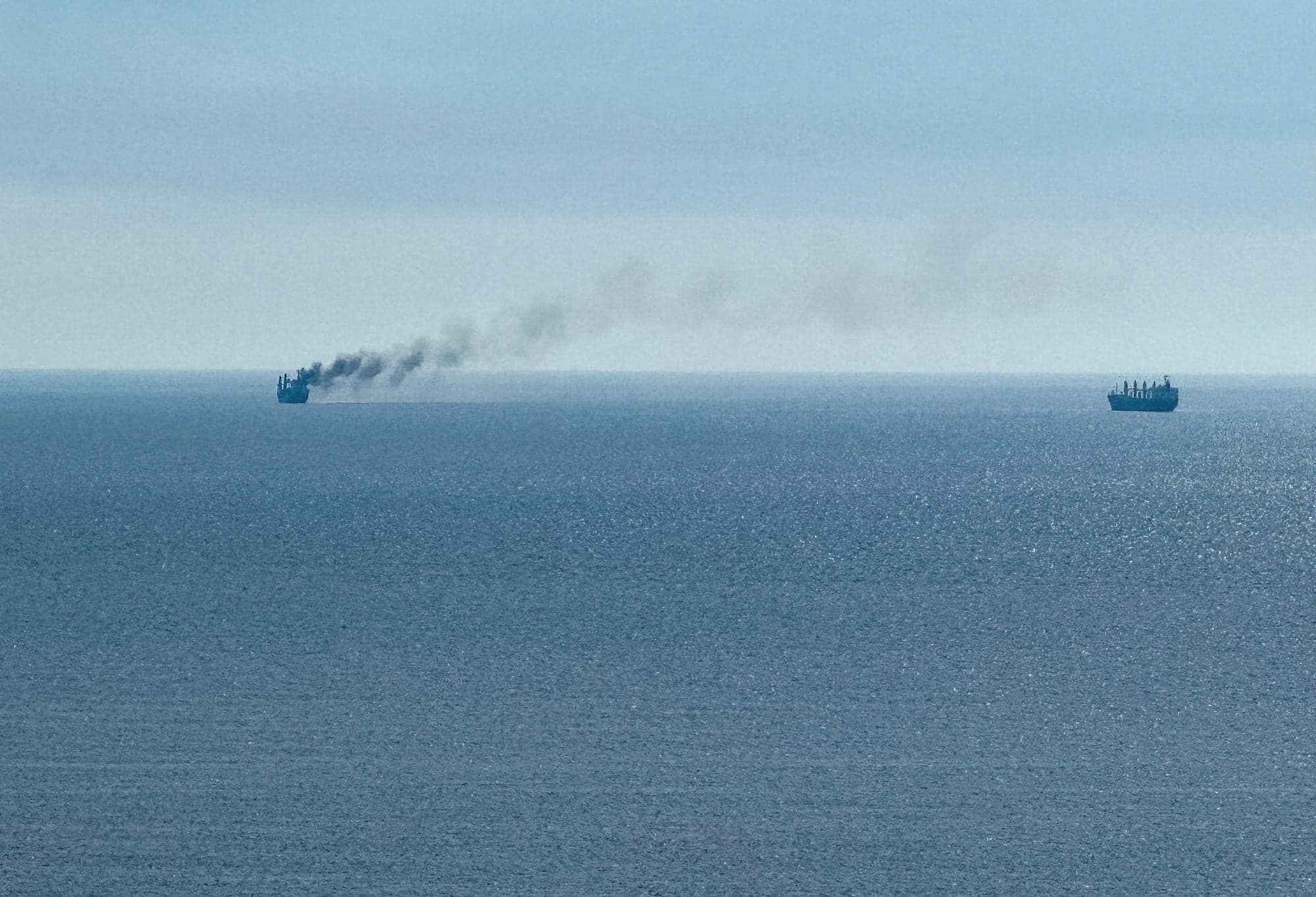
Russian forces conducted drone attacks on two Ukrainian Black Sea port cities, leading to three fatalities and causing damage to foreign-flagged ships. These strikes are part of Moscow's intensified campaign to disrupt Ukraine's crucial trade routes, particularly those essential for grain and other exports.
This incident underscores the persistent dangers of operating in the Black Sea region, which has been a conflict zone since the full-scale invasion. Previous agreements, such as the Black Sea Grain Initiative, aimed to ensure safe passage for commercial vessels, but such attacks demonstrate the fragility of these arrangements and the continued threat to maritime commerce.
For freight forwarders and shippers, these attacks significantly heighten operational risks in the Black Sea. Increased war risk premiums for insurance are likely, and carriers may implement further surcharges or avoid the region entirely, leading to potential routing changes and delays. The safety of crews and cargo remains a primary concern, necessitating thorough risk assessments and contingency planning for any shipments destined for or transiting through Ukrainian ports. The damage to foreign-flagged vessels also raises concerns about international shipping safety and the potential for broader disruptions to global supply chains reliant on Black Sea trade.
Further military actions in the region could lead to more severe restrictions on maritime traffic, impacting commodity prices and increasing logistics costs. Forwarders should monitor geopolitical developments closely and prepare for continued volatility in Black Sea shipping.