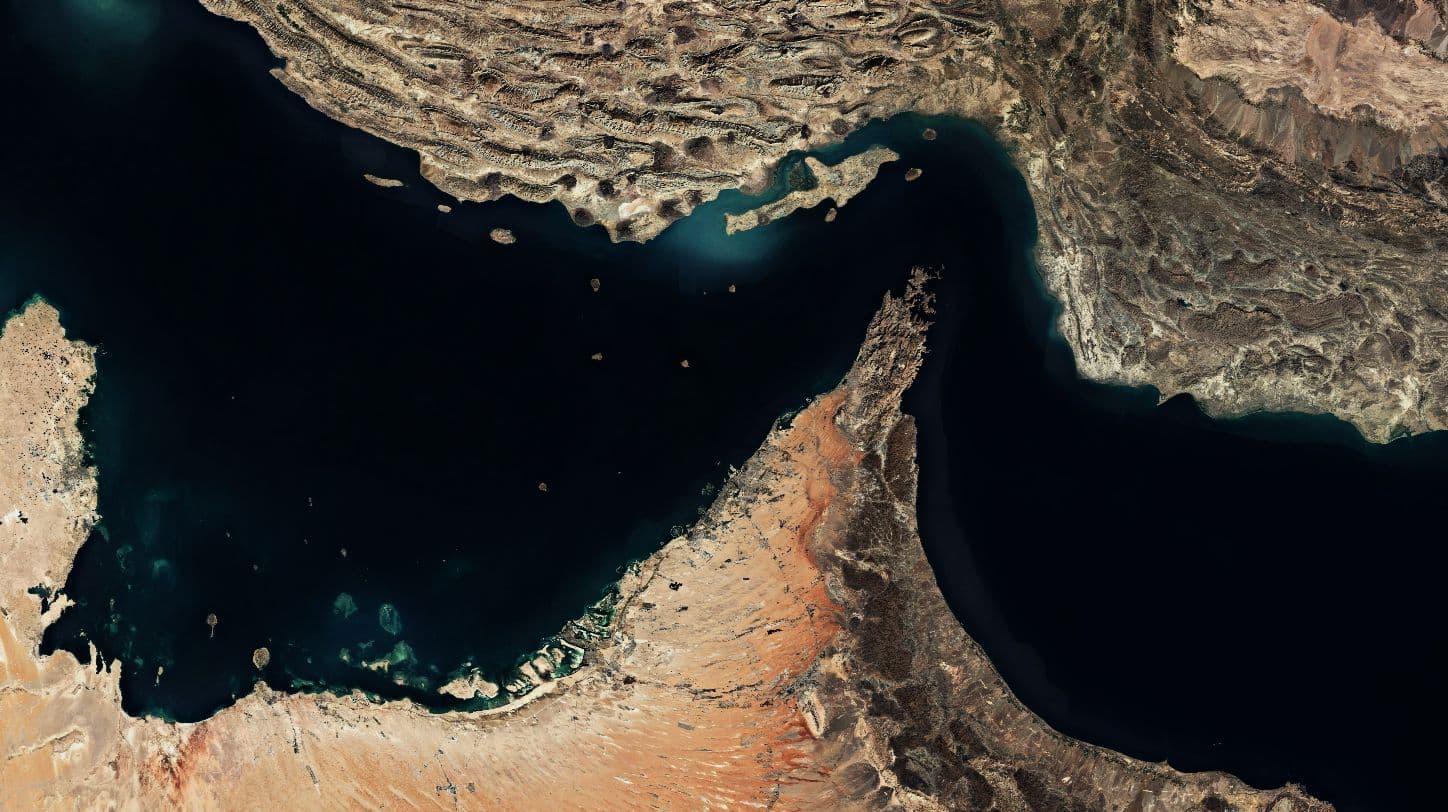
The World Trade Organization (WTO) has identified that the persistent geopolitical instability in the Middle East is having a substantial impact on global supply chains. This assessment suggests that the region's conflicts are creating ripple effects that extend beyond immediate geographical boundaries, influencing international trade and logistics operations.
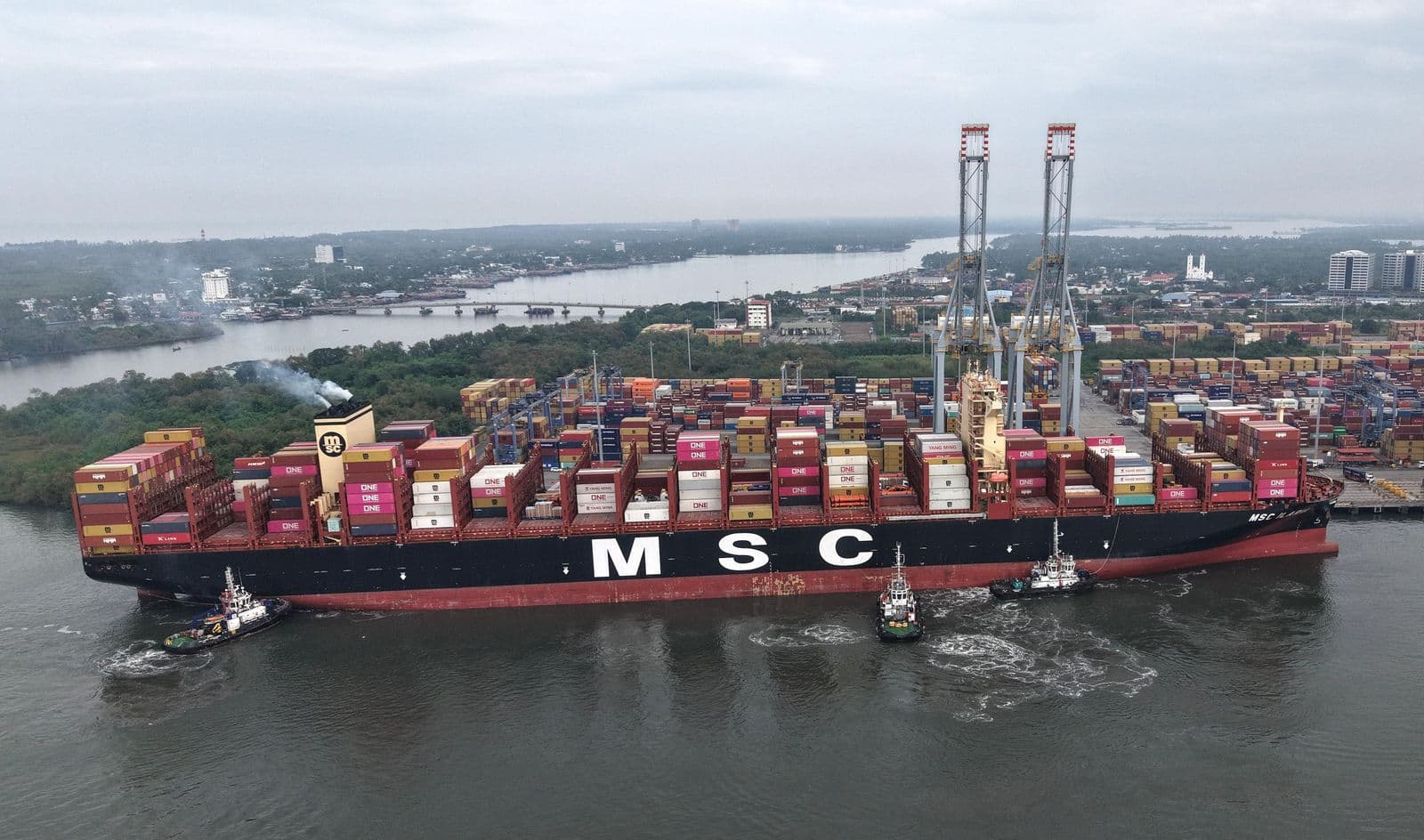
For freight forwarders and shippers, these disruptions typically translate into several challenges. These can include longer transit times, as vessels may need to reroute to avoid conflict zones, and increased operational expenses due to higher insurance premiums, fuel costs, and potential surcharges. Capacity might also be affected on key trade lanes, leading to schedule unreliability. Forwarders should anticipate potential delays and factor in higher costs when quoting shipments, especially for routes passing through or near the affected areas.