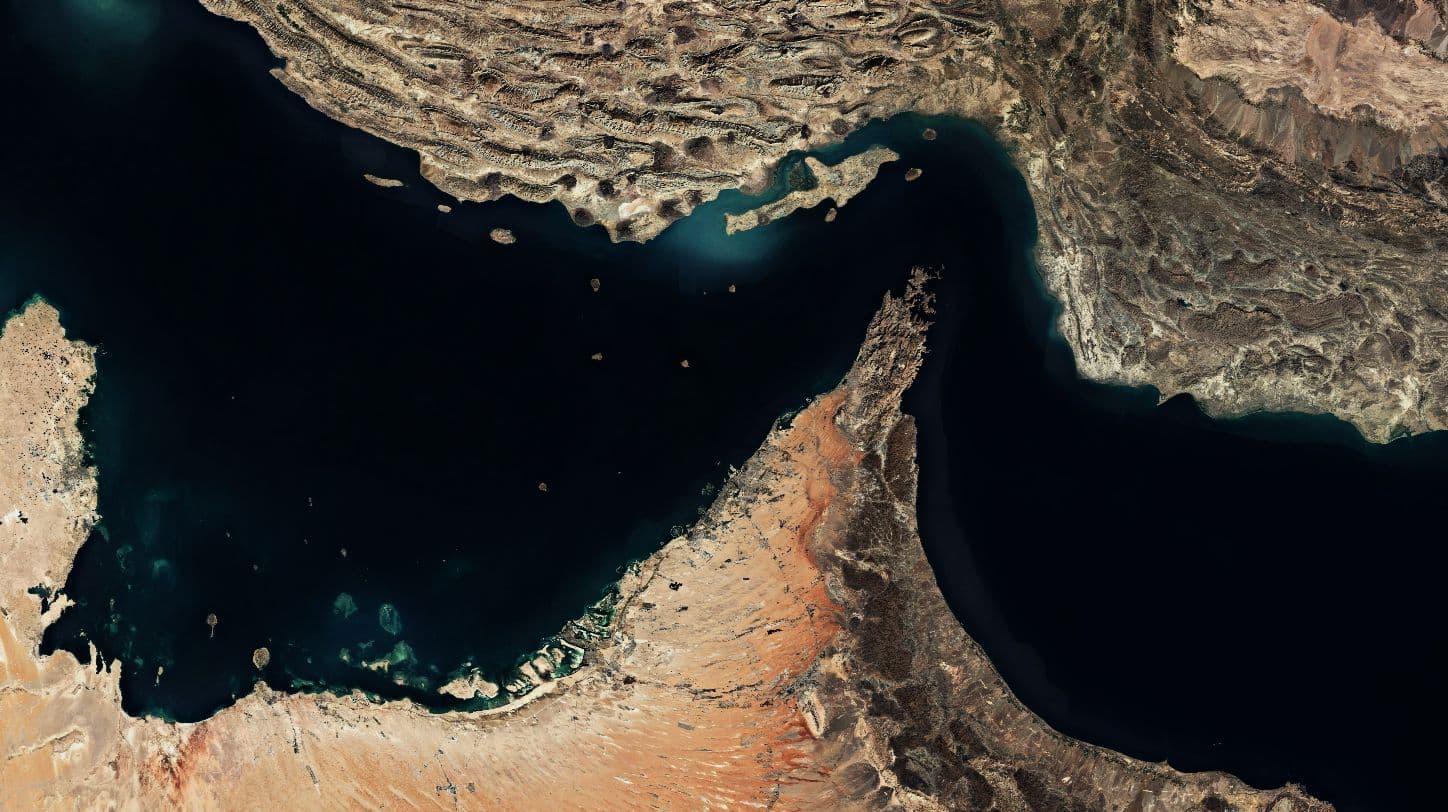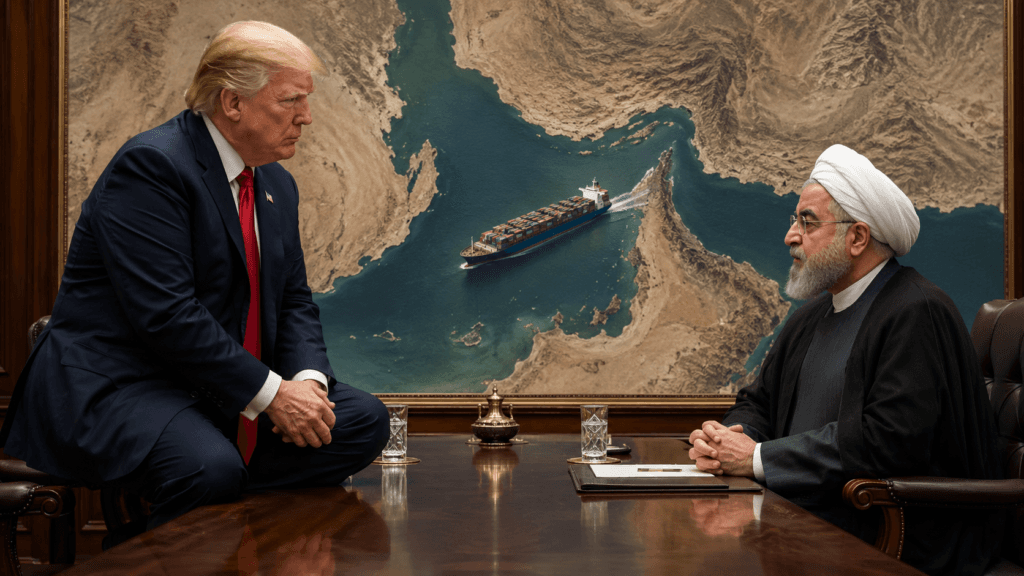
Shipping industry leaders attending Posidonia 2026 have expressed a cautious outlook regarding the potential return of commercial vessel traffic to the Strait of Hormuz, even if a diplomatic agreement is reached between the United States and Iran. They emphasize that while such a deal is a crucial initial step, it will not, by itself, guarantee the complete restoration of normal shipping operations in the region.
The context for this sentiment stems from ongoing geopolitical tensions and the history of security incidents in the Strait of Hormuz, a vital chokepoint for global oil and gas shipments. The shipping community has experienced various disruptions, including vessel seizures and attacks, which have led to heightened risk perceptions and increased operational costs.
For freight forwarders and shippers, this implies that even with a peace deal, the region may continue to be viewed as a high-risk area for some time. This could translate into persistent war risk premiums on insurance, potential routing adjustments, and a general reluctance from some carriers to fully commit to the Strait without a prolonged period of demonstrated stability. Operational managers should prepare for the possibility of continued volatility and factor in potential surcharges or longer transit times for cargo moving through or near this area.
The article does not specify what additional measures or timeframe would be required to fully restore confidence and normal traffic, beyond the initial diplomatic agreement.