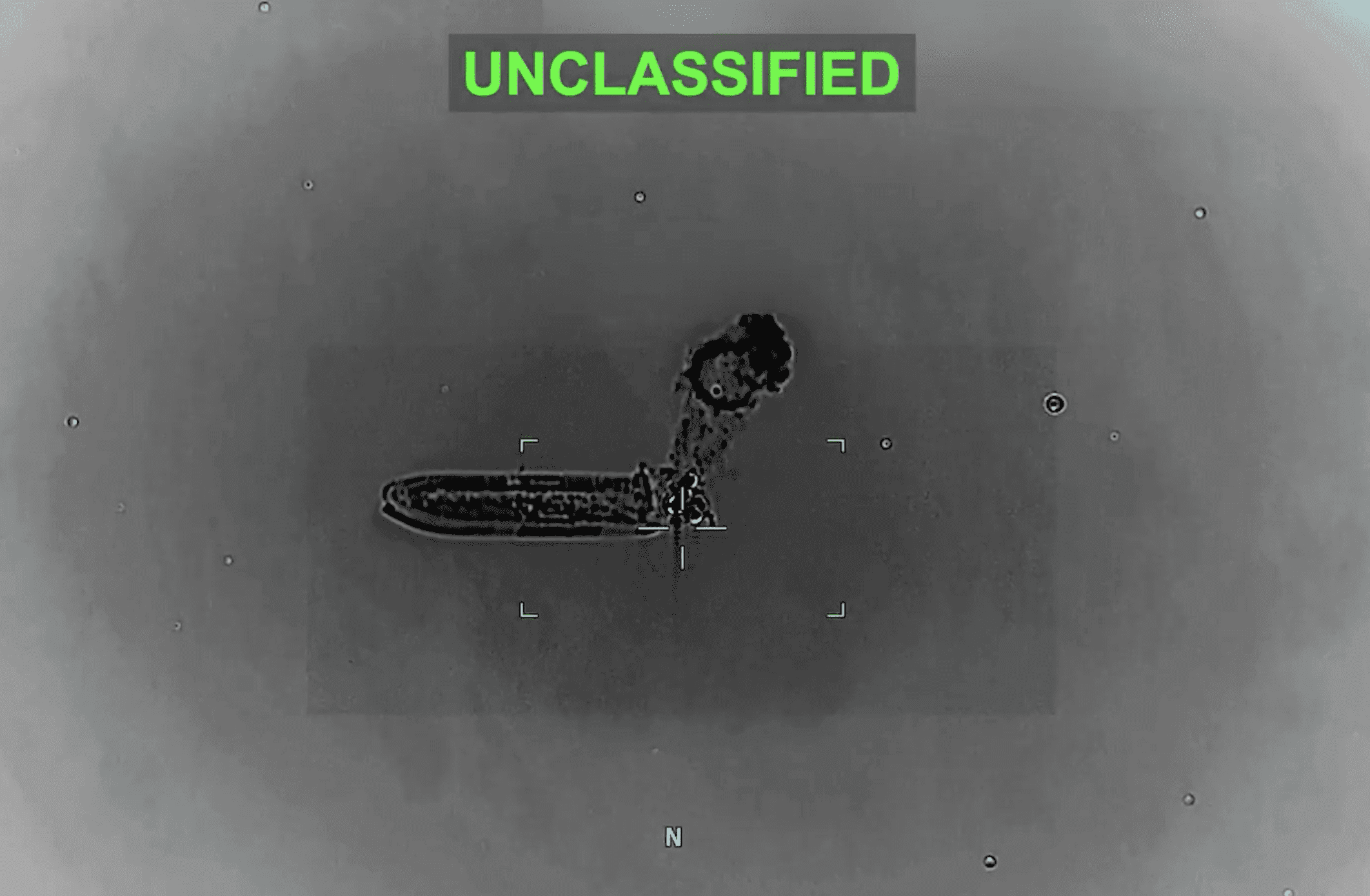
U.S. forces reportedly disabled a tanker in the Gulf of Oman, resulting in at least two crew members missing and one injured. This event appears to be part of a broader U.S. enforcement campaign targeting Iranian oil shipments and related maritime activities. The incident highlights the escalating tensions in the region and the potential for direct confrontations.
For freight forwarders and operations managers, such incidents in critical shipping lanes like the Gulf of Oman introduce significant operational risks. Increased naval activity and enforcement actions can lead to vessel detentions, diversions, and delays, impacting transit times and schedule reliability. These events also contribute to heightened war risk insurance premiums for vessels operating in the region, directly affecting shipping costs. Forwarders should closely monitor advisories and consider alternative routing or enhanced security measures for shipments transiting this area.
The ongoing U.S. campaign aims to disrupt Iran's ability to export oil and generate revenue, aligning with broader sanctions policies. This enforcement strategy has previously involved the seizure of vessels and cargo, but this incident marks a more direct engagement with reported casualties. The long-term implications for regional maritime trade and stability remain uncertain, but continued vigilance and adaptive planning are crucial for supply chain stakeholders.