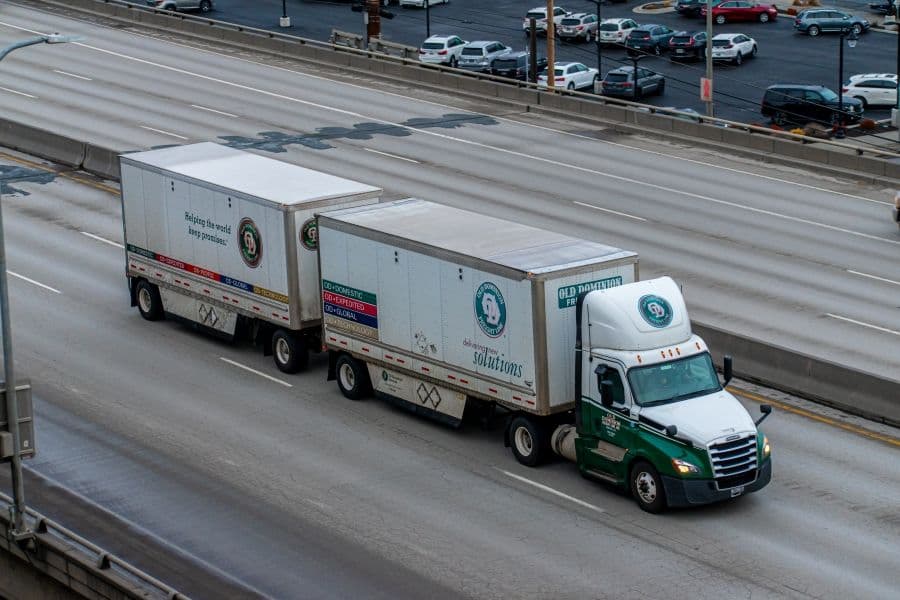
Less-Than-Truckload (LTL) carriers in the United States are experiencing a notable rise in the average weight of their shipments. This development is largely attributed to two key factors: manufacturers actively restocking their inventories and a discernible transfer of freight volumes from the traditional truckload sector to LTL services.
This shift suggests that as manufacturing output in the US gains momentum, businesses are adjusting their logistics strategies. The move of freight from truckload to LTL could be driven by factors such as the need for more frequent, smaller, but still substantial shipments to manage inventory levels efficiently, or perhaps a response to capacity and pricing dynamics within the broader trucking market.
For freight forwarders and operations managers, this trend signals potential changes in capacity availability and pricing structures within both the LTL and truckload segments. Heavier LTL shipments might lead to increased demand for specific types of LTL equipment and services, potentially impacting transit times and costs. Forwarders should monitor LTL network congestion and adjust their procurement strategies to account for these evolving shipment characteristics, especially when managing manufacturing-related cargo.