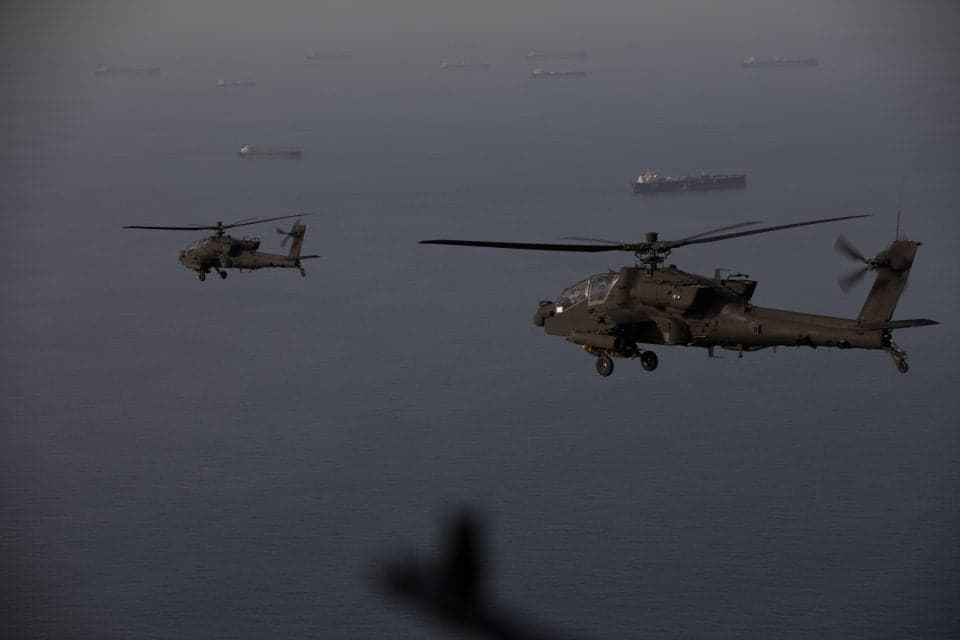
The United States military is reportedly pursuing discreet operational methods to safeguard commercial shipping transiting the Strait of Hormuz. This strategic adjustment comes after a previously announced public escort initiative for merchant vessels in the critical waterway was discontinued. The new approach emphasizes less overt military presence while maintaining security objectives.
This development is significant for freight forwarders and shippers, as the Strait of Hormuz remains a vital passage for global energy and trade flows. Any perceived instability or threat in this region can lead to increased war risk premiums, affecting overall shipping costs and potentially causing delays. While a less public security approach might reduce immediate geopolitical tensions, forwarders should remain vigilant regarding potential disruptions and monitor intelligence from carriers and insurers. The shift from a public escort to covert operations suggests a nuanced strategy to deter aggression without escalating tensions, but its effectiveness will be closely watched by the maritime industry.